Honda Motor’s latest ZR-V pricing puts the compact hybrid SUV squarely in premium territory, and that is exactly why investors should care: it tests whether the company can win buyers on efficiency, reliability and brand strength without leaning on bargain pricing. In a market where crossover demand remains resilient and hybrids are still a practical bridge between gasoline and full electrification, Honda is betting that a well-equipped, fuel-sipping SUV can justify a sticker that now brushes up against luxury-badge rivals like the BMW X1 and larger family SUVs such as the Skoda Kodiaq.
Honda ZR-V Signals Premium Hybrid Pricing Power
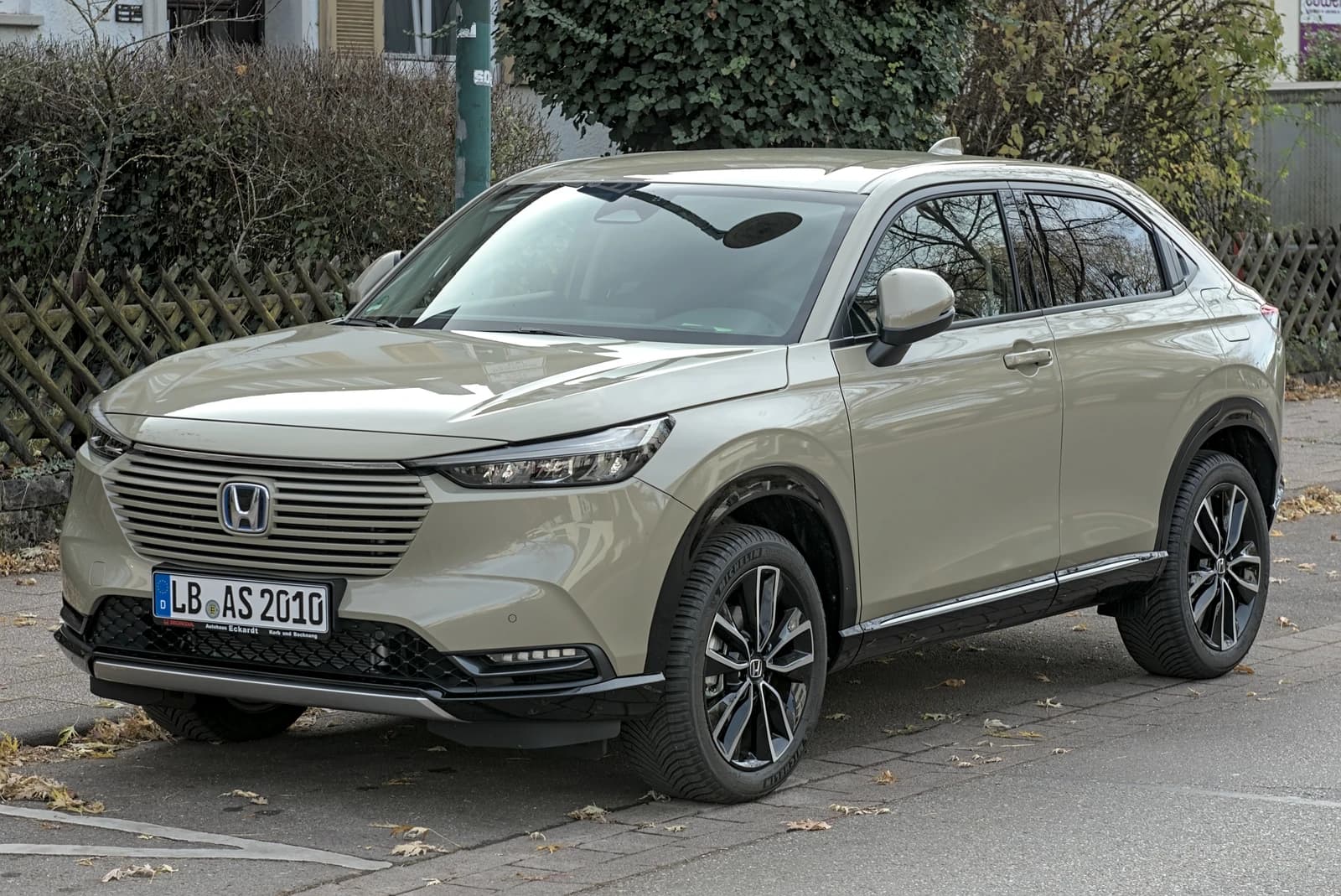
That matters because autos are not really about one model launch; they are about pricing power, mix and the long game of protecting margins. If Honda can sell the ZR-V as a premium hybrid, it improves the economics of its SUV lineup and reinforces a strategy that favors higher-value vehicles over volume for volume’s sake. For long-term shareholders, that is the kind of discipline that can support earnings quality even when the broader market is choppy.
Sentiment IndicatorsⓘProprietary · adalytica.com · July 25, 2026
This is a snapshot — live sentiment, awareness and momentum for 130+ markets update continuously in the dashboard.Open AlphaPulse
Honda’s shares have been volatile, but the stock is still trading well above its spring lows, with the recent move taking it back toward the low-30s after a March washout. The broader technical picture has improved too: the shares are above both the 50-day and 200-day moving averages, while momentum indicators such as RSI have climbed from deeply oversold levels earlier in the year to more neutral readings. That tells you investors are beginning to reward the idea that Honda can stabilize its mix and defend profitability.
The company is also making strategic moves in China, where it recently extended a joint venture with GAC Group. That may sound separate from a new SUV price tag in other markets, but it points to the same core issue: Honda is trying to keep its global manufacturing and sales footprint relevant in a brutally competitive auto industry. In China, the company has more than 11 million cumulative sales through GAC Honda, but competition is intensifying as electrification and local players reshape the market. Honda needs profitable products everywhere, not just market share.
That is why the ZR-V should be viewed less as a single launch and more as a signal. Honda is leaning into the idea that buyers will pay for hybrid efficiency, perceived durability and a more upscale cabin if the package feels complete. If the model lands well, it could help Honda preserve cash flow, support a richer product mix and keep its SUV business on firmer footing as the industry moves toward electrification at different speeds in different regions.
For investors, the big question is not whether the ZR-V is “worth it” in a showroom. It is whether Honda can keep proving that premium hybrids still have room to grow in a market crowded with EV headlines, tight competition and cautious consumers. That makes the stock worth watching for long-term portfolios, especially if you believe the next decade still belongs to automakers that can combine efficiency, brand trust and pricing power.
| Entity | Gains | Losses |
|---|---|---|
| Honda | ▲Higher-margin SUV mix | ▼Volume-focused pricing |
| Buyers seeking hybrids | ▲Better efficiency choice | ▼Cheap-entry alternatives |
| BMW X1 / premium rivals | ▲Category validation | ▼Some value-conscious shoppers |
| Skoda Kodiaq / larger SUVs | ▲Segment attention | ▼Price-sensitive comparison shoppers |