Honduras ended the first half of 2026 with inflation at 3.80%, a sign that consumer prices are not spiraling even as the country wrestles with deep security and governance strains.
Honduras Inflation Stable, But Governance Risks Persist
Long-Term Inflation Expectations
That matters because a relatively contained inflation rate gives policymakers a little more breathing room. For households, it helps preserve purchasing power. For businesses, it lowers the odds of abrupt price shocks that can squeeze margins and disrupt planning. And for investors trying to think beyond the latest headline, it suggests Honduras is not facing the kind of runaway inflation that typically forces emergency monetary tightening or undermines long-term capital formation.
Sentiment Indicators
The latest pricing data point in the same direction. Consumer prices rose from 330.293 in March to 333.979 in May, with a June forecast of 336.0641, implying continued but moderate monthly increases. The broader message is that inflation is still alive, but it is not accelerating at a pace that would suggest macroeconomic instability on its own.
That steadiness is important in a country where the bigger economic drag may be confidence, not just prices. Honduras is still contending with violent crime, institutional weakness and repeated calls for reform to improve public trust and attract investment. Those are the kinds of problems that keep capital cautious, slow job creation and limit the benefits of even a decent inflation print.
The interest-rate backdrop also helps explain why investors should care. U.S. policy rates remain elevated, and the 10-year Treasury yield is hovering in the mid-4% range, a reminder that global financing conditions are still relatively tight. For emerging and frontier markets like Honduras, that raises the bar for growth projects, sovereign funding and private investment alike. Lower and stable inflation at home can help, but it does not erase the cost of capital.
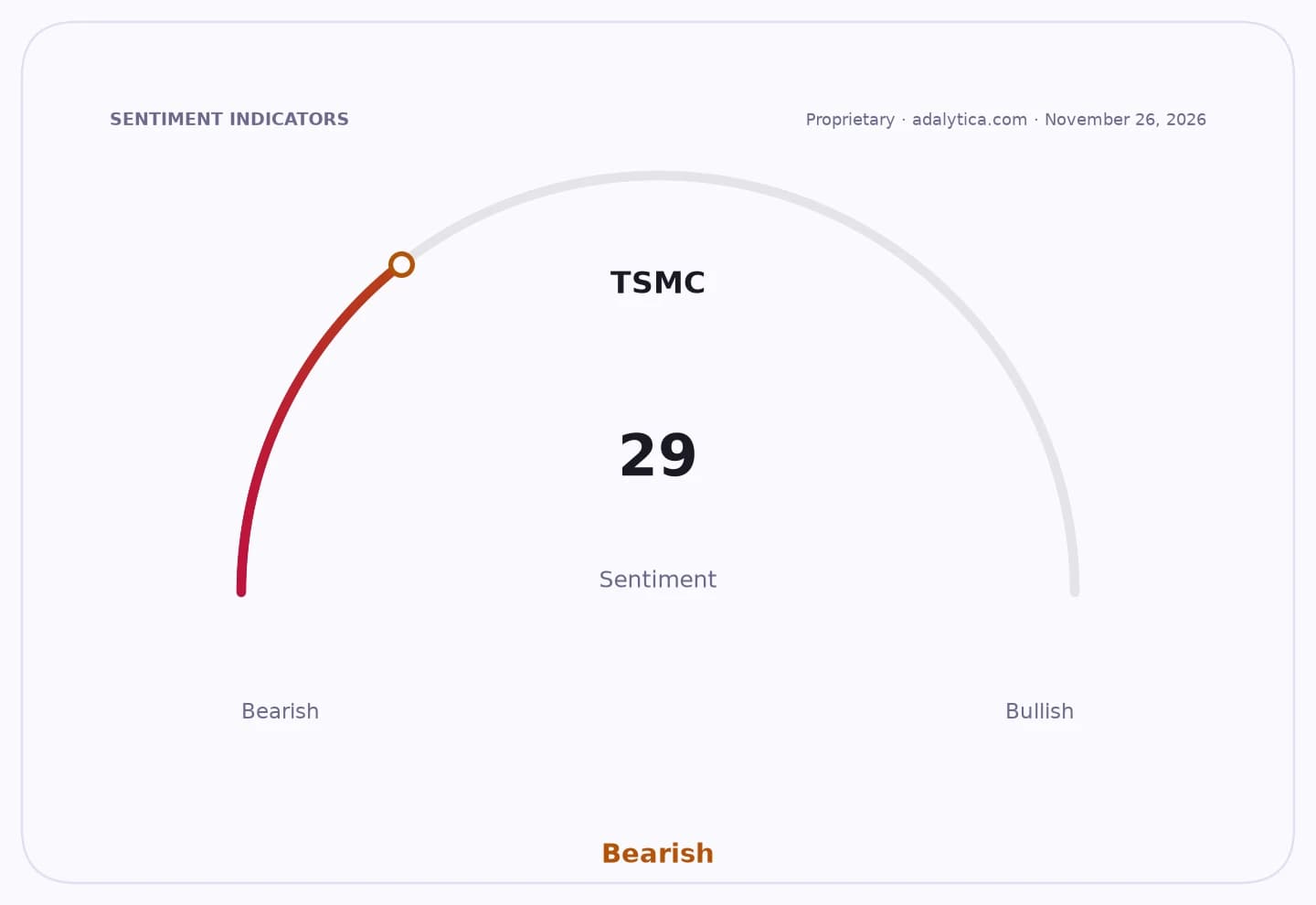
Adalytica’s gauge on confidence in the Fed’s 2% inflation target has also fallen sharply into extreme fear, while long-term inflation expectations and wage-inflation sentiment have weakened as well. That backdrop reinforces a broader market lesson: investors are still nervous about the durability of disinflation, even when headline price growth looks manageable. For countries such as Honduras, credibility matters just as much as the latest CPI reading.
The long-term takeaway is straightforward. Honduras’ 3.8% first-half inflation rate is not a crisis number; it is a stabilizing one. But stability in prices will only become a real investment story if it is matched by security improvements, stronger institutions and reforms that convince businesses the rules will hold. For patient investors, that makes Honduras worth watching, not chasing — a market where the biggest gains would come from better governance compounding over years, not months.
| Entity | Gains | Losses |
|---|---|---|
| Honduran households | ▲More stable purchasing power | ▼Faster erosion of incomes |
| Honduran policymakers | ▲Room to avoid emergency tightening | ▼Less urgency for anti-inflation policy praise |
| Businesses and investors | ▲Better planning visibility | ▼Uncertainty from violence and weak institutions |
| Borrowers | ▲Less pressure from price shocks | ▼Potentially higher real rates if global funding stays tight |