Hong Kong’s yuan bond market has quietly become a meaningful source of funding for global banks, giving Wall Street firms access to Chinese capital even as the cost of borrowing in dollars remains elevated.
Hong Kong Yuan Bonds Attract Global Banks

That shift matters because it shows how financial ties between China and the West are adapting, not disappearing, despite geopolitical tension. For investors, it is another sign that the offshore yuan market is no longer just a niche funding tool. It is becoming a practical balance-sheet weapon for banks that want to diversify liabilities and tap a deep pool of capital in Asia.
Sentiment Indicators

According to Bank of America, foreign financial institutions issued 333 billion yuan of offshore bonds, up 169% from a year earlier and more than double their average annual issuance between 2022 and 2025. US banks led the rush, raising 167 billion yuan, 130 billion yuan more than a year earlier. The report said the yuan had become the third-largest funding currency for US banks, even though the appeal now lies less in cheaper funding and more in access to Chinese investors.
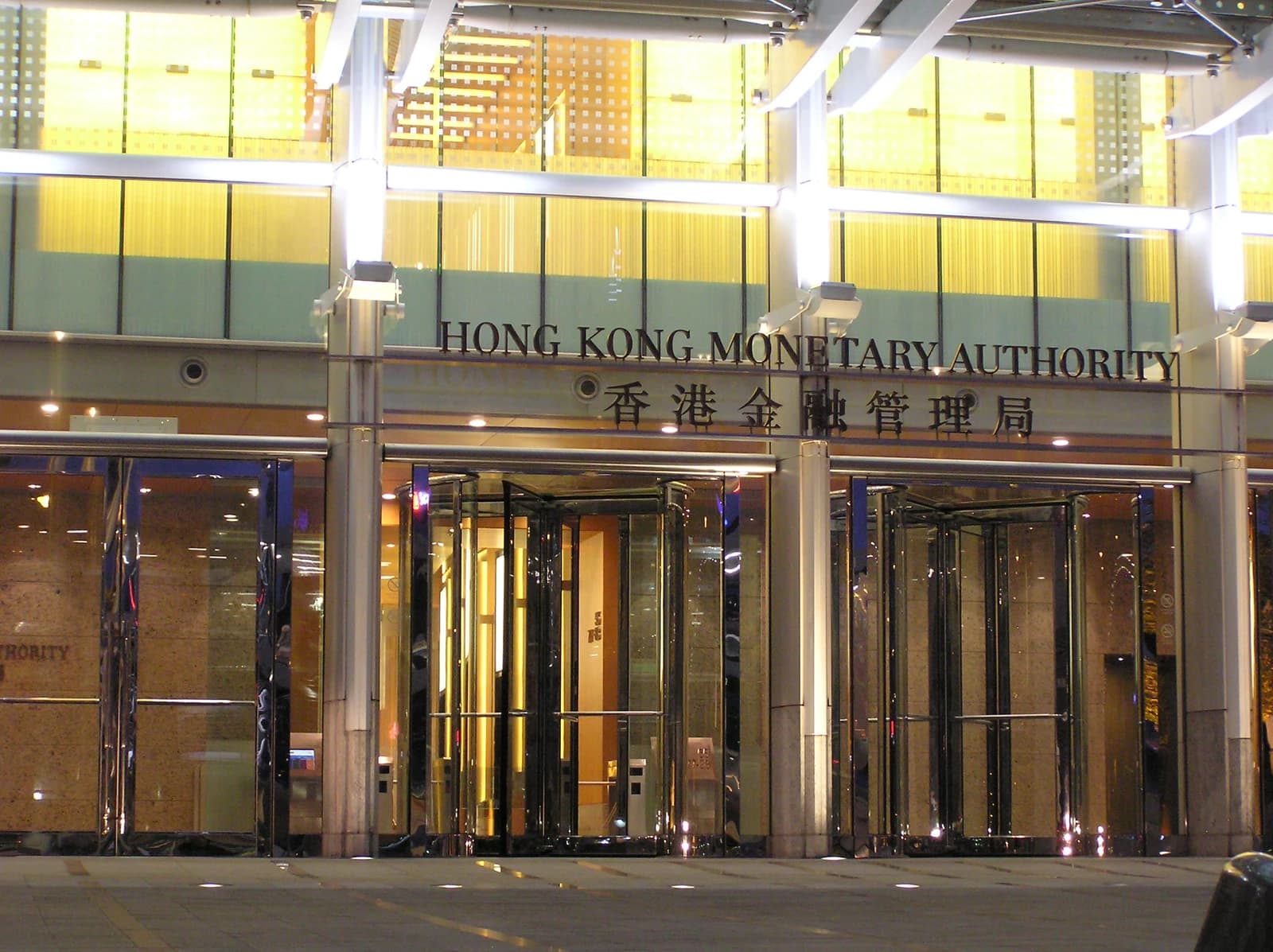
That is the key economic story here. With US benchmark yields still around 5% and the federal funds rate forecast near 3.7%, dollar funding remains expensive enough to make alternative markets worth exploring. At the same time, offshore yuan borrowing gives banks a way to reach buyers who may prefer Chinese currency exposure, especially in Hong Kong, where the dim sum bond market has long served as a gateway between mainland liquidity and international issuers.
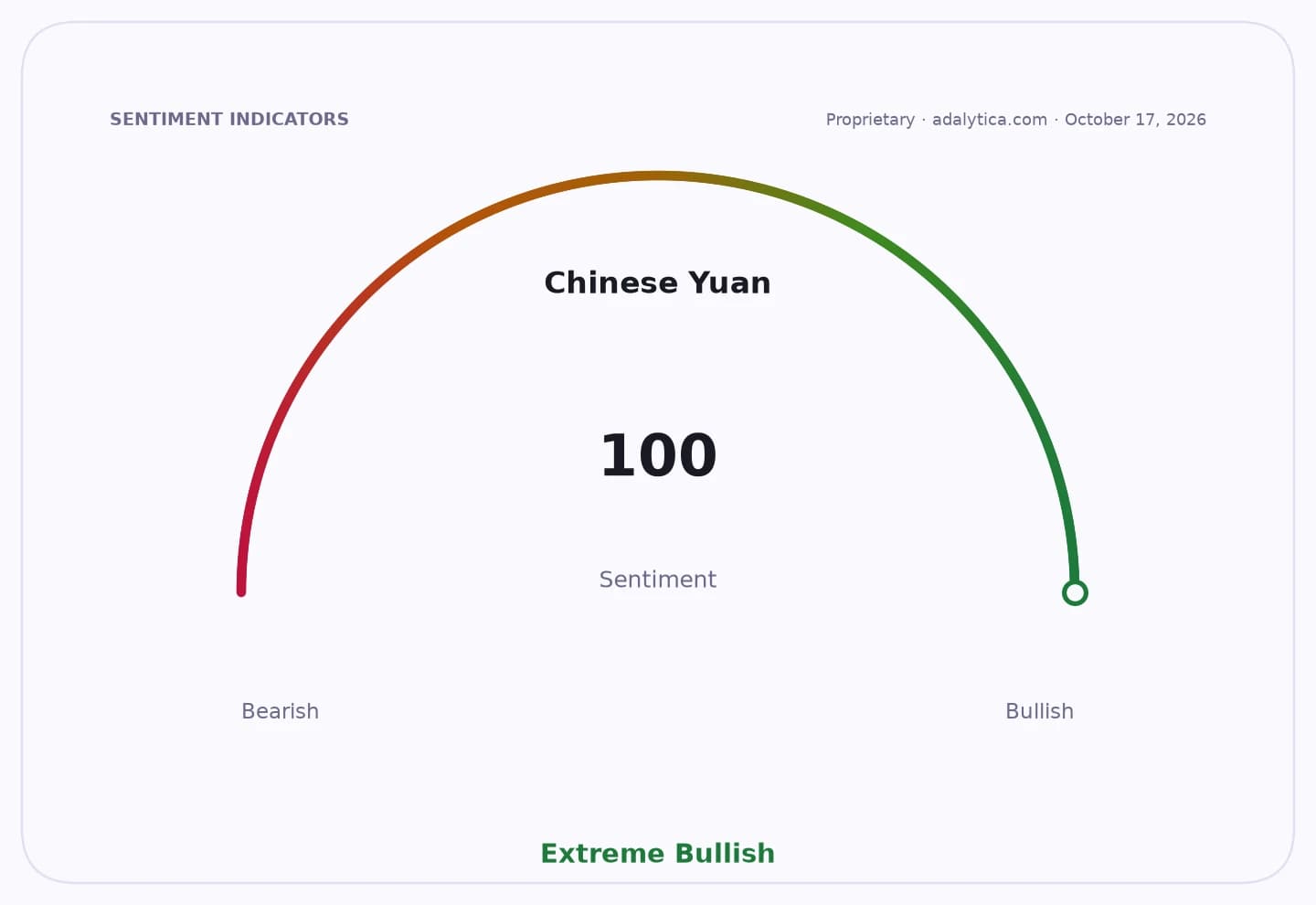
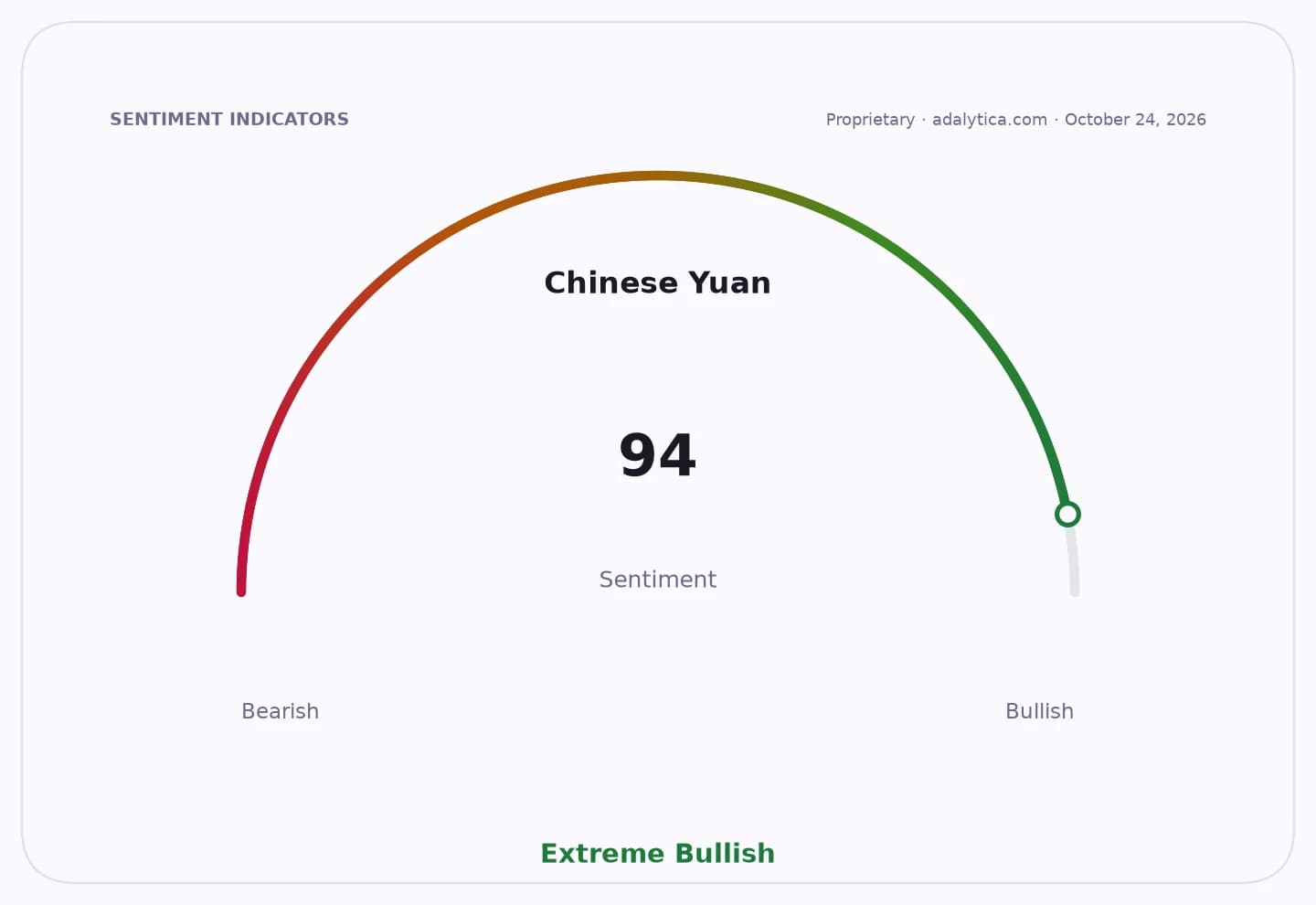
Chinese Yuan
For banks, the implication is straightforward: a more diversified liability base can support lending, trading and capital market activity without relying solely on US dollar markets. That is especially useful for firms with large Asia franchises, including JPMorgan Chase, Barclays and Deutsche Bank, which continue to manage global funding needs in a more fragmented financial world. The recent filing updates from major lenders also point to active wholesale funding and ample liquidity, underscoring that bond markets remain central to how banks finance themselves.
The broader market backdrop helps explain why this has accelerated. Credit spreads are not especially stressed, with high-yield spreads still near the low-300s basis-point range, but investors are still hunting for yield and diversification. Hong Kong’s yuan market offers both, while giving banks a way to match funding with regional business and investor demand. The offshore yuan itself has also been volatile, with technical readings showing sharp swings in recent months, but that has not stopped issuers from coming in size.
For long-term investors, the message is less about a single trade and more about a structural change. The yuan bond market in Hong Kong is evolving from a symbolic China-finance story into a real funding channel for multinational banks. If that persists, it could help lower some funding pressure, deepen Asia capital markets and give global lenders another lever in a world where access to money matters as much as the cost of it. Worth watching closely.
| Entity | Gains | Losses |
|---|---|---|
| Global banks | ▲New funding source | ▼Reliance on dollar markets |
| Hong Kong dim sum market | ▲More issuance volume | ▼Niche-market status |
| Chinese bond investors | ▲More foreign issuers | ▼Less local-only supply |
| US dollar lenders | ▲Less dominant role | ▼Some demand diverted |