Iranian Foreign Minister Abbas Araqchi’s visit to Muscat has become the main diplomatic test of whether Tehran, Washington and Gulf intermediaries can keep oil moving through the Strait of Hormuz after U.S. strikes on Iran and attacks on commercial shipping.
Hormuz Diplomacy Keeps Oil Risk Premium Alive
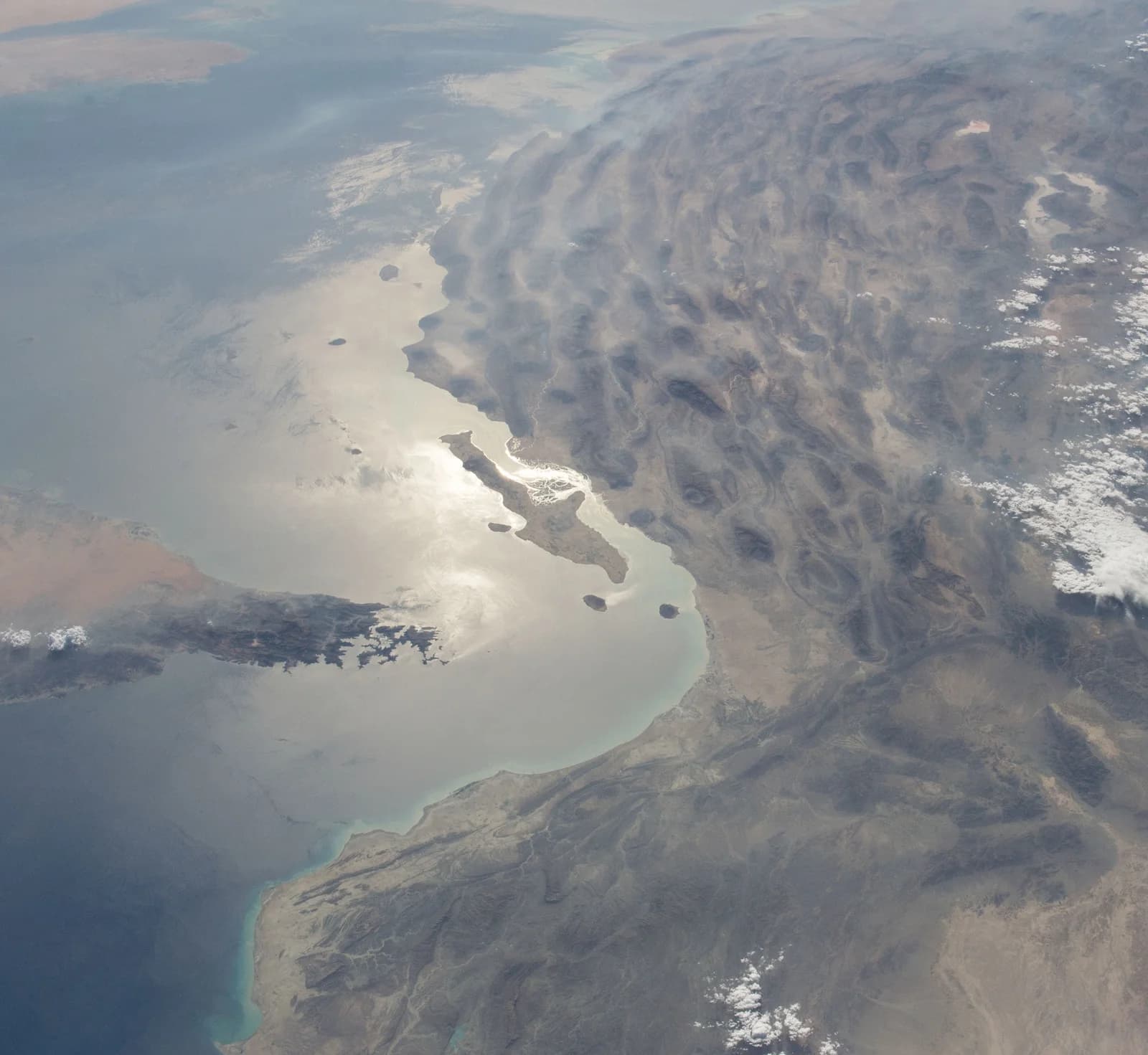
The talks in Oman matter because the Strait is the world’s most sensitive energy chokepoint. Any sustained disruption would raise freight and insurance costs, threaten crude and LNG flows from the Gulf, and feed quickly into inflation expectations at a time when investors are already reassessing geopolitical risk. Oman has long served as a back channel between Iran and the West, making Muscat the obvious venue for efforts to secure safe passage without forcing either side into public concessions.
Sentiment Indicators
The U.S. struck more than 80 sites in Iran after blaming Tehran for attacks on commercial vessels in the Strait of Hormuz, according to the supplied news context. Washington also revoked waivers that had allowed some Iranian oil sales, tightening economic pressure as Tehran warned of a devastating response. Araqchi’s mission points to an effort to separate maritime safety from the wider confrontation, even as both are now entwined.
Oil markets are not yet pricing a full-blown supply shock, but the risk premium is visible in positioning and sentiment. WTI futures settled at $71.41 on July 10 and Brent at $76.01, well below their early-May peaks of $106.42 and $114.44, respectively. Both contracts are trading below their 50-day moving averages, conventional technical indicators that suggest the recent price trend remains weaker than the headlines imply. Brent is also below its 200-day moving average, while WTI is just under that longer-term gauge.
Global Stability Sentiment vs CL=Fadalytica.com
Explore this data interactively — full history, time series and cross-market comparisons.
That restraint could change quickly if safe passage fails. Adalytica.com’s Global Stability Sentiment gauge stood at 4, labeled “Extreme Fear,” after a sharp deterioration over the past month, while its oil-linked USO trade sentiment was at 99, labeled “Extreme Greed.” The split captures the market’s current tension: physical prices have retreated from spring highs, but traders are alert to a shock that could reverse the move if tankers, insurers or navies pull back from the waterway.
For Iran, keeping the Strait open while resisting U.S. pressure is a narrow strategic path. Closing or militarizing the route would increase leverage but risk direct confrontation and alienate Gulf neighbors whose own exports depend on the same channel. For Washington, the combination of military strikes and sanctions seeks deterrence, but it also raises the chance that shipping becomes the arena where Tehran responds.
The economic stakes extend beyond crude. Higher Gulf shipping risk would hit Asian refiners, European energy buyers, airlines, petrochemical producers and consumers through fuel costs. It would also complicate central bank calculations if energy volatility starts to bleed into inflation expectations. For Gulf producers and OPEC states, the crisis may lift prices, but a prolonged security breakdown would threaten the reliability premium that underpins their exports.
Araqchi’s Muscat visit therefore carries more weight than a routine regional consultation. It is a bid to keep diplomacy ahead of escalation in the one place where a miscalculation would be immediately global: the Strait of Hormuz.
| Entity | Gains | Losses |
|---|---|---|
| Oman and Gulf mediators | ▲Diplomatic leverage | ▼Regional spillover risk |
| Oil exporters | ▲Higher risk premium | ▼Export disruption |
| Asian refiners and importers | ▲Safe-passage diplomacy | ▼Costlier crude and freight |
| Energy bulls | ▲Volatility upside | ▼De-escalation risk |