Nvidia’s board has reinstated Jensen Huang even as a New York Times report says Alice Huang, the alleged Chinese spy at the center of the scandal, was in contact with an officer from Beijing’s Ministry of State Security while the affair that toppled the chipmaker’s chief unfolded, intensifying the national-security fallout around the world’s most valuable AI company.
Nvidia probe widens on China intelligence ties
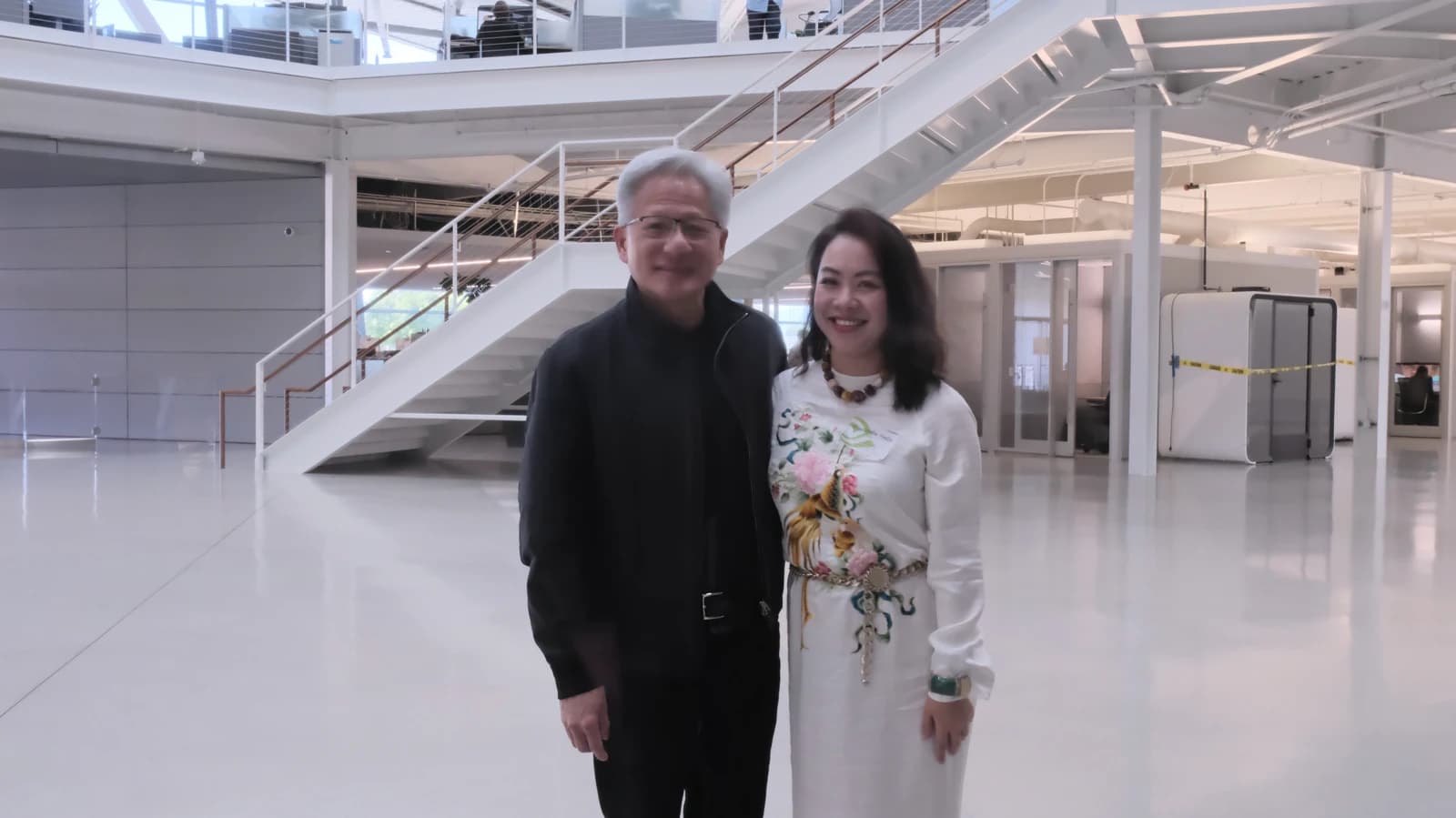
The latest disclosure matters because it pushes the episode beyond a corporate misconduct story and deeper into the realm of export controls, espionage and U.S.-China technology rivalry. Nvidia sits at the center of the AI infrastructure boom, and any suggestion that sensitive business information, chip access or supply-chain relationships were entangled with Chinese intelligence raises the odds of tougher scrutiny from regulators and lawmakers.
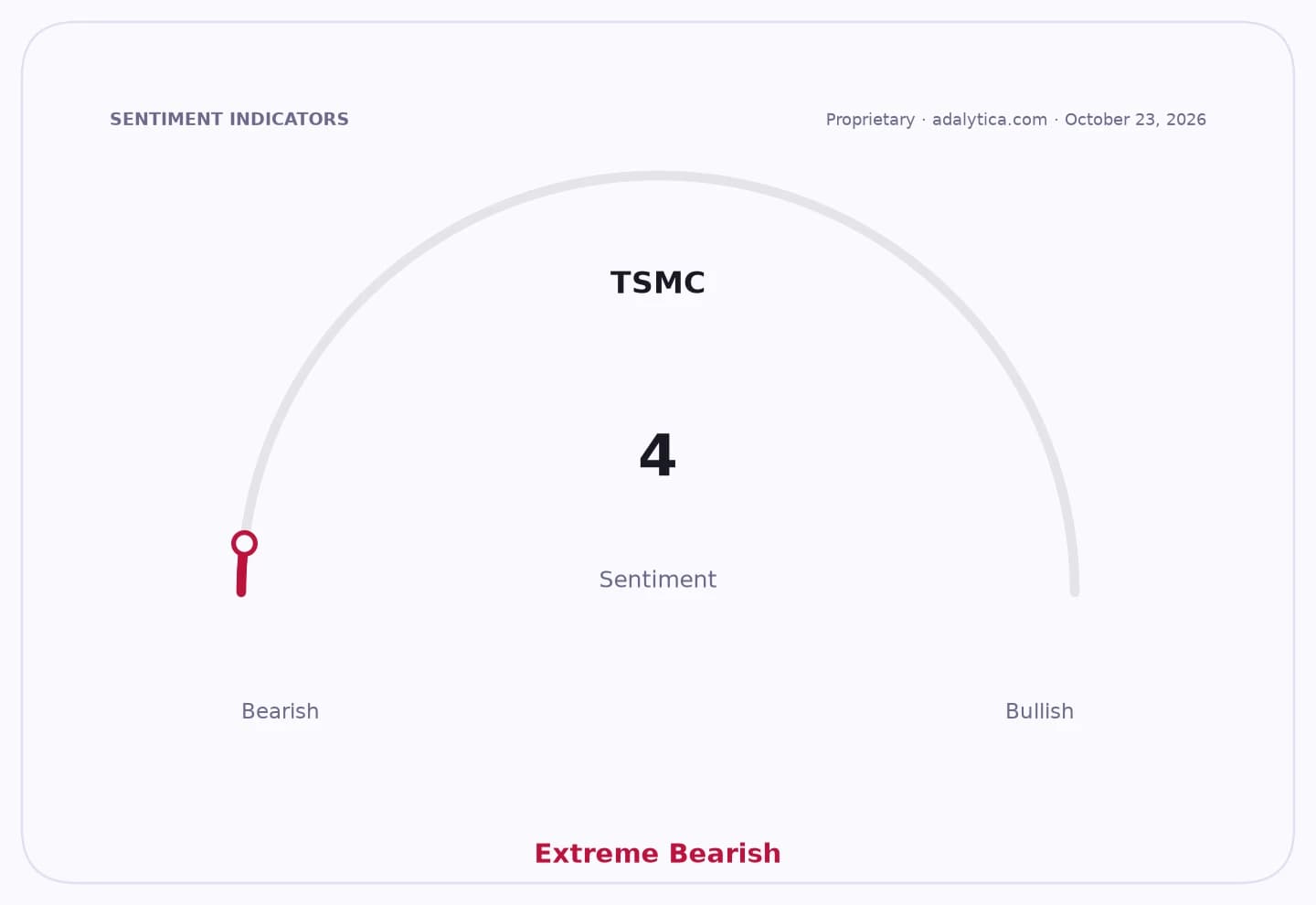
Sentiment Indicators
The Times said the contacts ran from spring 2025 through the fall of this year, overlapping with the period when Megaspeed International, the Singapore-based tech group once led by Alice Huang, was buying large quantities of advanced Nvidia chips. Megaspeed is already under investigation over claims it helped Chinese firms obtain Nvidia hardware in possible violation of U.S. export rules, and U.S. authorities have now blacklisted the company, according to the broader news flow around the case.
The scandal has already hit Nvidia in the market. Shares have fallen sharply from above $220 in October to $149.30 on Nov. 25, while the stock’s 50-day moving average at $203.65 and 200-day average at $202.62 show how far the selloff has pushed it below trend. Nvidia’s RSI reading of 37.7 suggests the stock is no longer as deeply oversold as earlier this month, but momentum remains weak, with the conventional MACD still negative.
The broader semiconductor sector has also been dragged lower. The SOXX ETF closed at $127.98 on Nov. 25, far below its 50-day average of $166.06 and just under the lower end of its recent range, underscoring how the Nvidia investigation has spilled over into sentiment on the entire chip complex. QQQ, which tracks the Nasdaq-100, fell to $633.93, reflecting investor unease around one of the index’s biggest AI names.
For investors, the immediate issue is not only reputational damage but the risk of tighter oversight on Nvidia’s China business and more disruption to chip sales, partnerships and customer relationships. Jensen Huang is due to be questioned by U.S. lawmakers on Dec. 1 over national-security concerns, a hearing that could extend the pressure on the company and the broader AI trade if Congress turns the scandal into a wider debate over export controls and corporate due diligence.
| Entity | Gains | Losses |
|---|---|---|
| U.S. lawmakers | ▲More scrutiny leverage | ▼Less room for corporate pushback |
| Nvidia rivals | ▲Relative share of AI supply | ▼Risk of sector-wide fallout |
| Megaspeed / Alice Huang | ▲None | ▼Blacklisting, legal exposure |
| Nvidia shareholders | ▲Possible clarity ahead | ▼Valuation pressure, volatility |