Nvidia is confronting a fresh reputational risk as decades-old allegations that founder Jensen Huang bullied and threatened employees resurface just as the company is already under heavier legal and regulatory scrutiny.
Nvidia faces renewed Huang workplace allegations
The allegations themselves are not new, but their reappearance matters because Huang remains the central figure in Nvidia’s market identity and governance. For investors, the issue is less about a 2007 wrongful-dismissal case that ended in a confidential settlement than about what it says regarding leadership culture at a company now carrying extraordinary expectations, political attention and valuation sensitivity.
Sentiment Indicators
Nvidia Corp
Court filings from California show that Nvidia’s first in-house lawyer, Stephen Pettigrew, said he repeatedly witnessed Huang yelling at staff, making obscene remarks and threatening serious physical harm. Pettigrew alleged he was fired after raising concerns about misconduct by senior executives. A separate complaint by former HR senior vice president Michael Winston said he was dismissed after objecting to what he described as Huang’s abusive and sexually harassing behavior.
Those claims have returned to the foreground as Huang seeks a return to the same role he held for more than three decades. His earlier resignation, disclosed this month, followed reports of personal relationships and allegations that also drew in a suspected Chinese spy under US Justice Department scrutiny. Nvidia did not respond to a request for comment.
The business risk is not simply headline damage. Nvidia’s stock has become unusually dependent on confidence in the company’s leadership, its execution discipline and its ability to keep attracting top engineering talent while spending aggressively on AI. In that context, allegations of a toxic workplace can matter in practical ways: they can complicate retention, invite more scrutiny from regulators and plaintiffs’ lawyers, and strengthen the argument that governance at a megacap with unusual founder control deserves a discount.
That said, the bull case remains intact in the near term because the allegations stem from long-closed disputes and a confidential settlement in 2009. Huang has long defended his management style as intensity rather than abuse, saying fast-moving technology requires urgency. Many Nvidia employees have historically described him as demanding but effective. If investors focus strictly on operating momentum, the older complaints may not change earnings power.
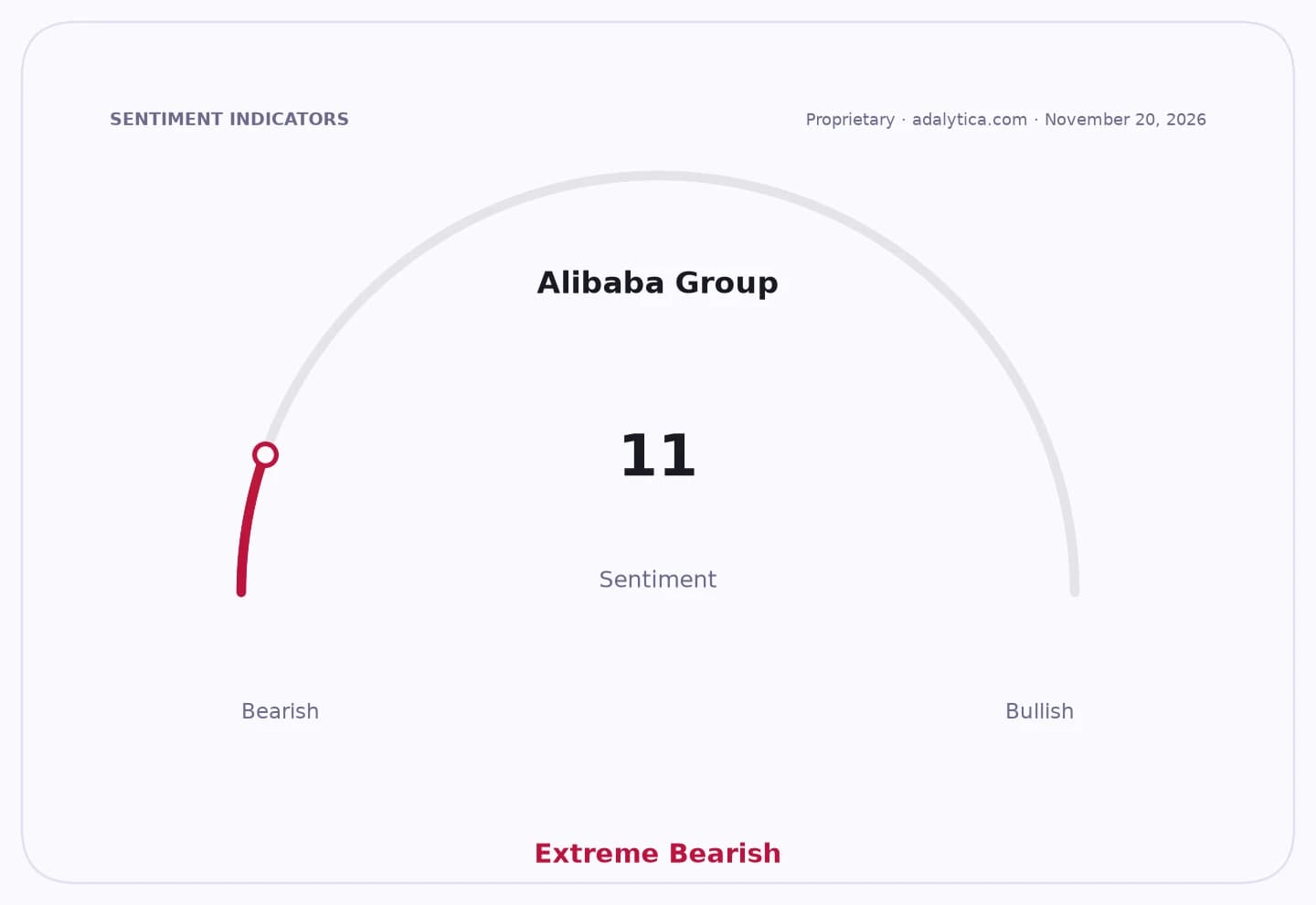
But Nvidia is no longer being judged only on semiconductor demand. It is being priced as a bellwether for the AI cycle, and sentiment around the name is already fragile. Adalytica’s Nvidia earnings sentiment gauge is neutral at 32, while the broader AI sentiment reading shows fear at 18, underscoring how quickly confidence can swing when governance concerns collide with a stock that has been a market leader. Nvidia shares have also fallen sharply in recent sessions, with the stock closing at $125.53 on Nov. 20 after touching $235.20 in May, and momentum indicators such as the 14-day RSI and MACD showing pronounced weakness.
For long-only holders, the immediate question is whether this becomes a one-off reputational flare-up or part of a broader governance overhang. For shorts, the case is more about multiple compression than direct financial liability: any fresh litigation, regulatory inquiry or board instability could deepen the market’s willingness to question Nvidia’s premium. The next catalysts are likely to come from the board’s response, any formal investigation activity and whether the controversy spills into customer or employee relations at a moment when Nvidia can least afford distractions.
| Entity | Gains | Losses |
|---|---|---|
| Nvidia bears | ▲Governance discount | ▼None |
| Long-term shareholders | ▲Potential accountability | ▼Reputation overhang |
| Employees and whistleblowers | ▲Validation of concerns | ▼Workplace scrutiny |
| Nvidia management | ▲None | ▼Credibility and control |