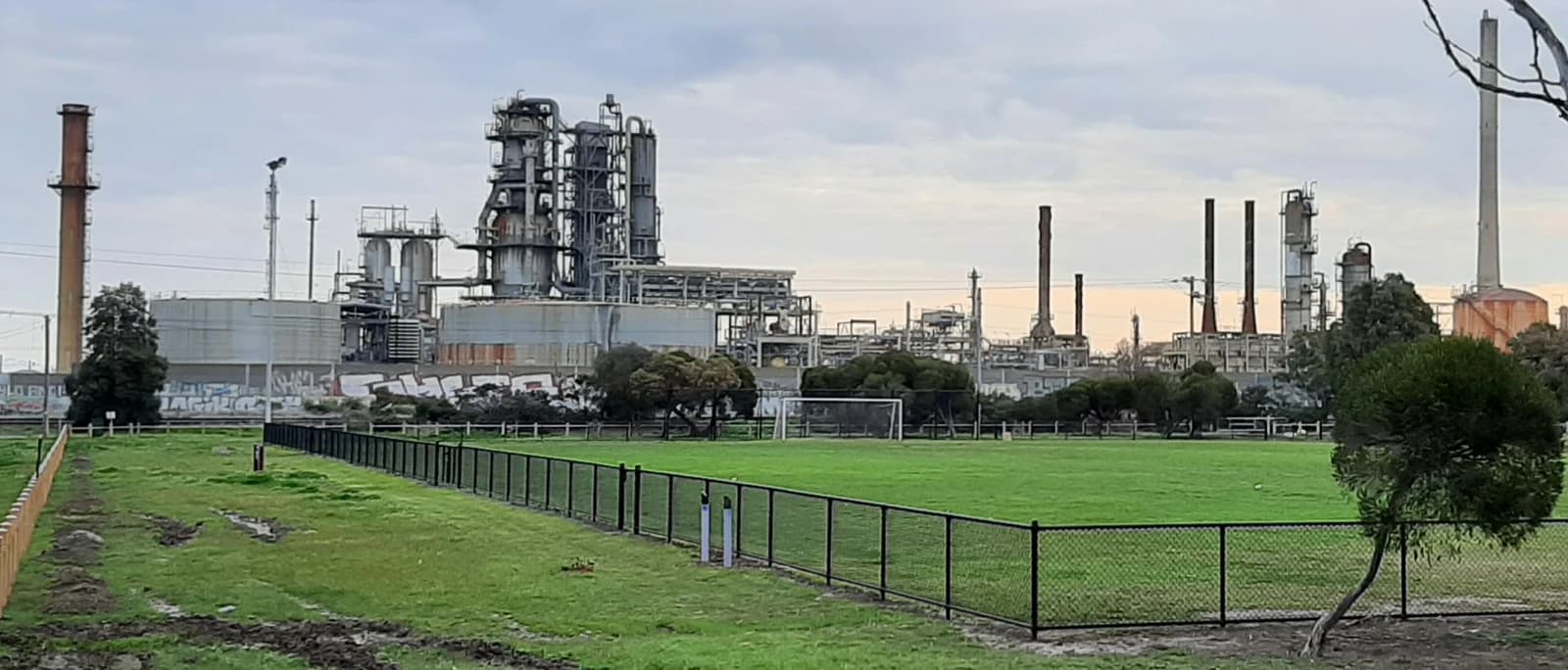
Asian spot LNG prices have jumped 10% in two days as the renewed risk of disruption in the Strait of Hormuz forces buyers, traders and utilities to reprice a market that had been easing only weeks ago.
Hormuz Tension Lifts Asian LNG Prices
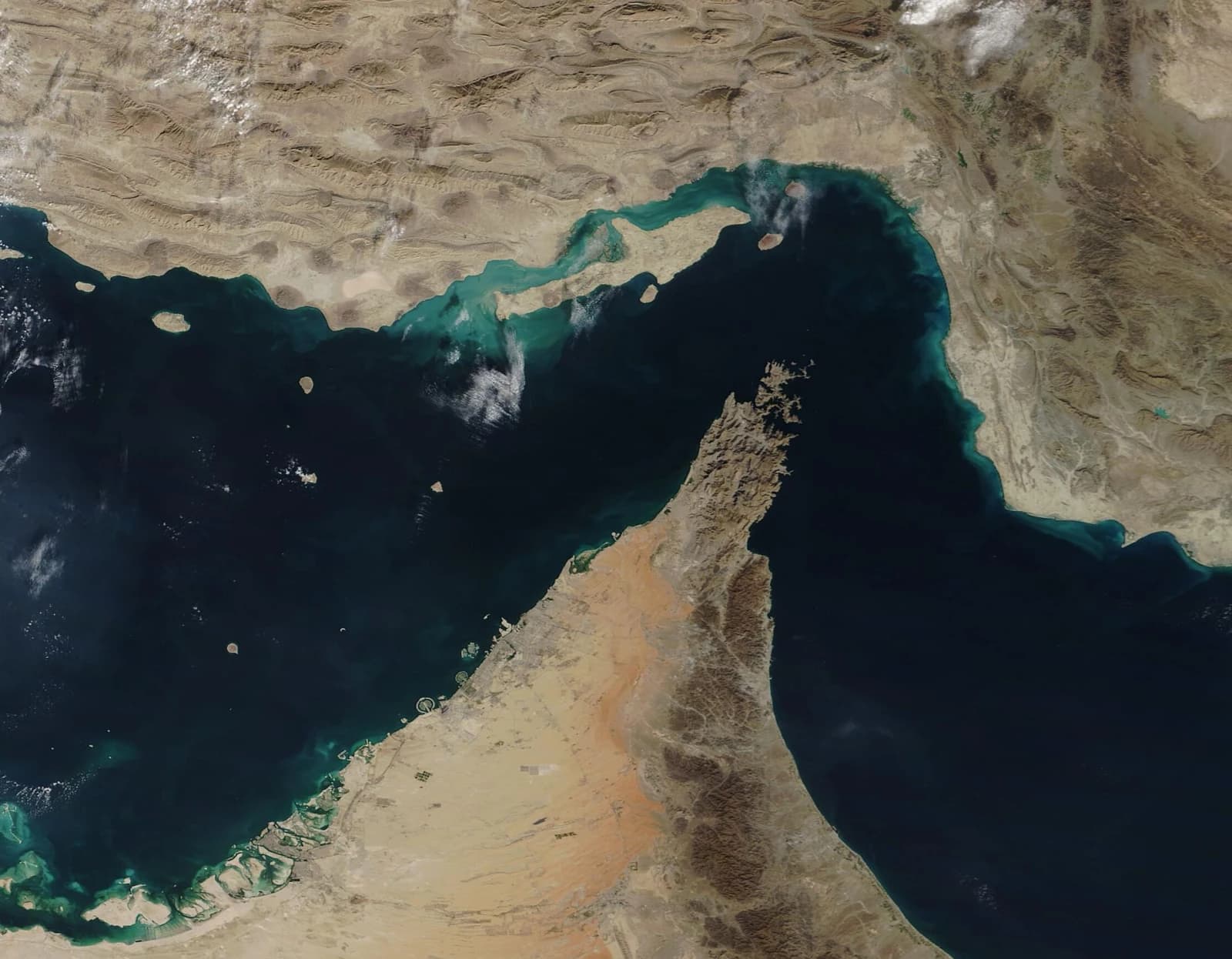
The move matters because LNG is no longer a niche regional fuel: it is a core part of Asia’s power mix, a backup for heat and industry, and a balancing market that is highly sensitive to shipping lanes, shipping rates and geopolitical risk. When the market begins to price in even a partial disruption through Hormuz, the effect can ripple from spot cargoes to downstream electricity costs, refinery margins, shipping insurance and foreign-exchange hedging.
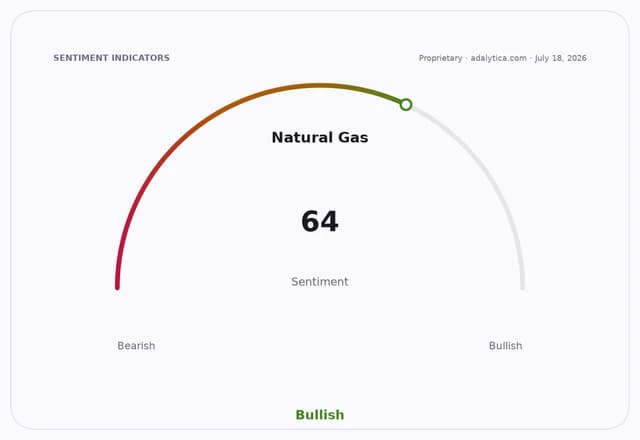
The trigger is the same chokepoint that has repeatedly destabilized energy markets: the Strait of Hormuz, through which a large share of the world’s seaborne energy flows. Escalating conflict in the Middle East has revived concern that cargoes could be delayed, rerouted or priced with a higher risk premium, even if no physical shutdown occurs. In LNG, where Asia relies heavily on imported cargoes, that translates quickly into tighter prompt pricing.
The jump also fits a broader pattern in commodity markets: geopolitical shocks tend to hit gas and LNG differently from oil, because LNG pricing is more regionalized and supply chains are less flexible in the short run. Oil can be redirected more easily, but LNG cargoes depend on vessel availability, boil-off economics, terminal slots and power-system demand. That makes the market especially vulnerable to a sudden repricing of delivery risk.
For investors, the immediate implication is clear. Upstream producers and LNG exporters with exposed spot volumes stand to benefit from higher prices, while import-heavy utilities, industrial users and shipping-sensitive buyers face margin pressure. The equity reaction has already reflected that split. Cheniere Energy, the largest US LNG exporter, has gained more than 28% from a mid-June low to $262.60 on July 17, while GasLog Partners has slipped to $49.65 from a recent high, suggesting the market is rewarding supply exposure and punishing transport-linked names when risk aversion rises.
Technical indicators also show how strongly the move has taken hold in LNG equities. Cheniere’s share price is well above its 50-day and 200-day moving averages, while its relative strength index remains elevated near 69, a sign of persistent momentum but also of a stock that may already be pricing in some of the geopolitical premium. GasLog’s weaker momentum and softer trading pattern suggest investors see less direct benefit from the price spike and more exposure to broader market dislocation.
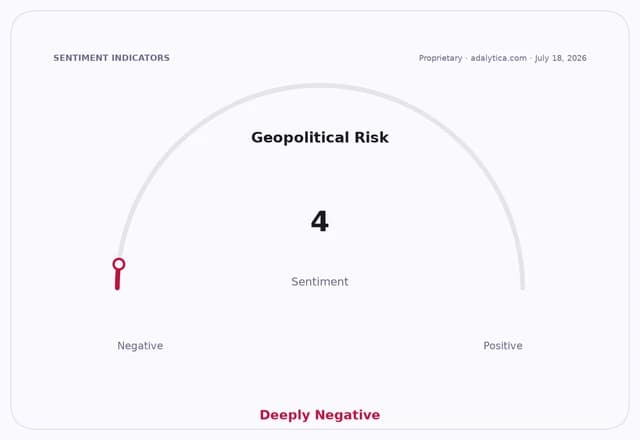
Macro conditions are amplifying the sensitivity. US benchmark yields remain relatively high, with the 10-year Treasury around 4.56%, keeping the cost of capital elevated for infrastructure-heavy energy projects even as risk premiums rise. At the same time, Adalytica’s Global Stability Sentiment has plunged to “Extreme Fear,” underscoring how quickly markets have shifted toward a defensive geopolitical posture. That backdrop can support commodity prices in the near term, but it also raises the hurdle for long-duration investment decisions.
The bull case is that this is the beginning of a more durable repricing of LNG security, which could encourage long-term contracting, faster terminal buildouts and more investment in export capacity from the US, Australia and emerging supply hubs. The bear case is that the rally proves temporary if the Hormuz risk premium fades, leaving buyers with higher costs and producers with only a short-lived boost.
For now, the key question is whether the latest spike becomes another brief geopolitical flare-up or the start of a broader scramble for secure LNG supply. If tensions remain elevated, Asian buyers are likely to keep paying up for prompt cargoes, and the market could stay biased toward exporters, infrastructure providers and producers with flexible volumes.
| Entity | Gains | Losses |
|---|---|---|
| LNG exporters | ▲Higher spot pricing | ▼Buyers’ resistance |
| Asian importers | ▲Supply security | ▼Cost inflation |
| Shipping-linked firms | ▲Higher freight demand | ▼Route disruption risk |
| Utilities and industry users | ▲Less volatility if hedged | ▼Margin pressure |