Hungary’s office market is moving from a cheap-location story to a cost-management story, as CBRE’s new guide shows that fitting out a workplace in Budapest can easily run into the thousands of euros per square metre before tax or relocation expenses.
Hungary office fit-out costs rise in Budapest
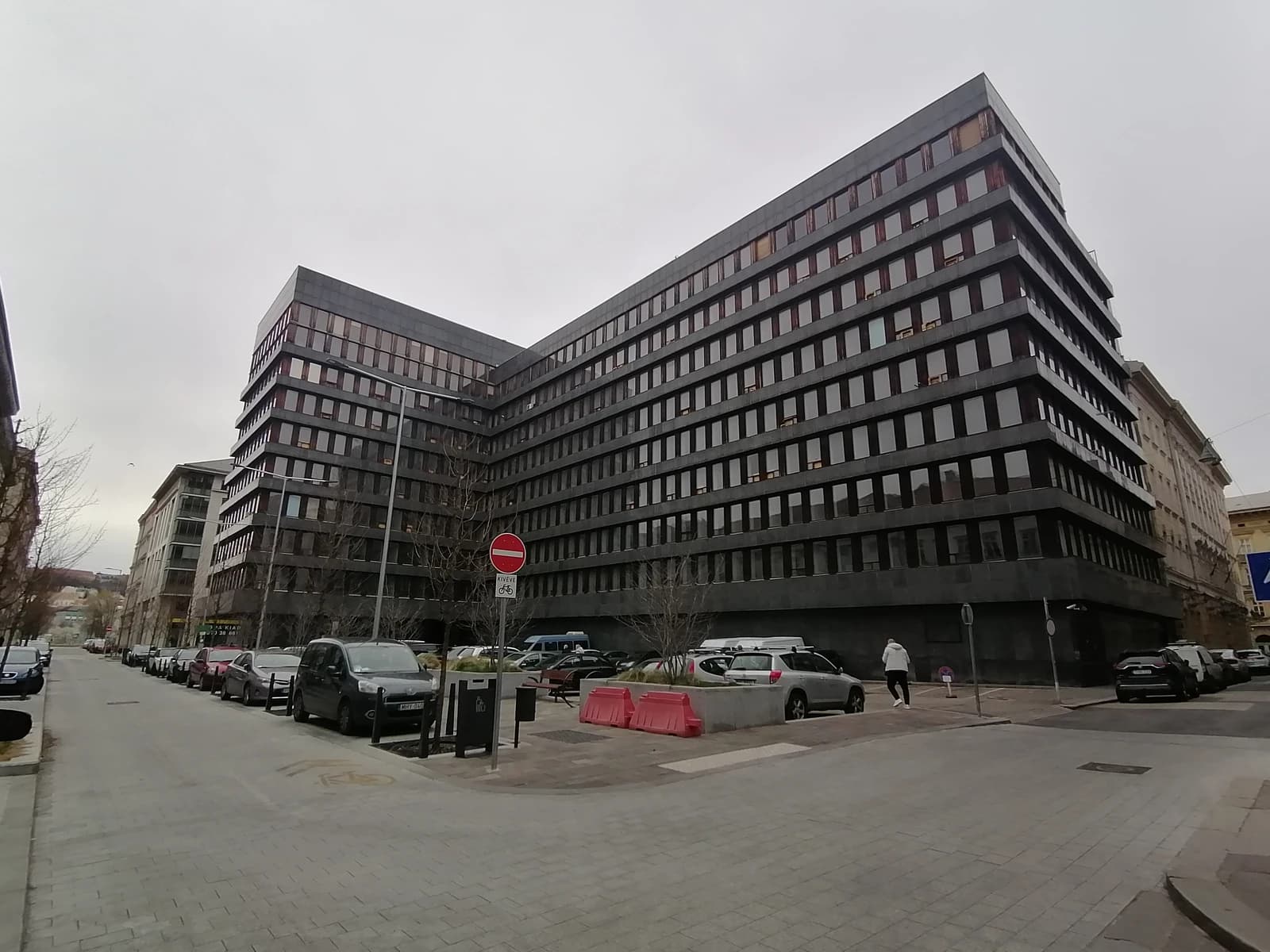
That matters because for occupiers, the headline rent is only one part of the bill. CBRE’s Hungary guide says a standard office build-out costs 1,235 euros per square metre, a premium scheme 1,992 euros and a high-end fit-out 3,048 euros, based on a 1,000-square-metre office. The figures include design fees, IT and security systems and furniture, while the biggest line item remains the construction work itself.
Sentiment IndicatorsⓘProprietary · adalytica.com · September 30, 2026
This is a snapshot — live sentiment, awareness and momentum for 130+ markets update continuously in the dashboard.Open AlphaPulse
The numbers give tenants a clearer benchmark when negotiating landlord contributions, which are usually fixed per square metre and rarely cover the full ambition of a corporate relocation or refurbishment. For companies deciding whether to renew, expand or move, the gap between a landlord allowance and actual fit-out costs can determine whether a project is feasible at all.
The data also underlines how office demand is changing. CBRE says most fit-outs are now no longer for brand-new buildings but for refurbishing existing space, and that a modernisation typically costs 50% to 80% of a full new investment. Renovations start at about 230 euros per square metre and can exceed 640 euros for a full rebuild that includes new partitions.
That shift is important for landlords and investors because it supports a second-hand office market where buildings compete on how cheaply and quickly they can be repositioned. It also reflects the broader corporate push to trim space: CBRE’s 2025 European survey found more than half of companies expect to shrink office footprints, while by 2027 nearly a third of portfolios are likely to be made up of flex or serviced offices.
For tenants, the bull case is that lower fit-out spend and smaller footprints can preserve capital and improve agility in a tighter economic environment. The bear case is that even a “cheaper” refurbishment still ties up meaningful cash, disrupts operations and can require temporary space, all while productivity may suffer during the move.
For CBRE, the guide is also a way to position itself as a trusted intermediary in a market where the real economics of office occupancy are becoming more complex. For Hungary’s office sector, the message is blunt: the cost of setting up space is high enough that occupiers increasingly need to think less about square metres leased and more about total capital committed.
| Entity | Gains | Losses |
|---|---|---|
| Office tenants | ▲Better cost visibility | ▼Higher upfront capital needs |
| Landlords | ▲Stronger negotiation leverage | ▼Pressure to fund allowances |
| CBRE | ▲More advisory demand | ▼None directly |
| Flex-office providers | ▲Rising demand | ▼Traditional long-term leases |