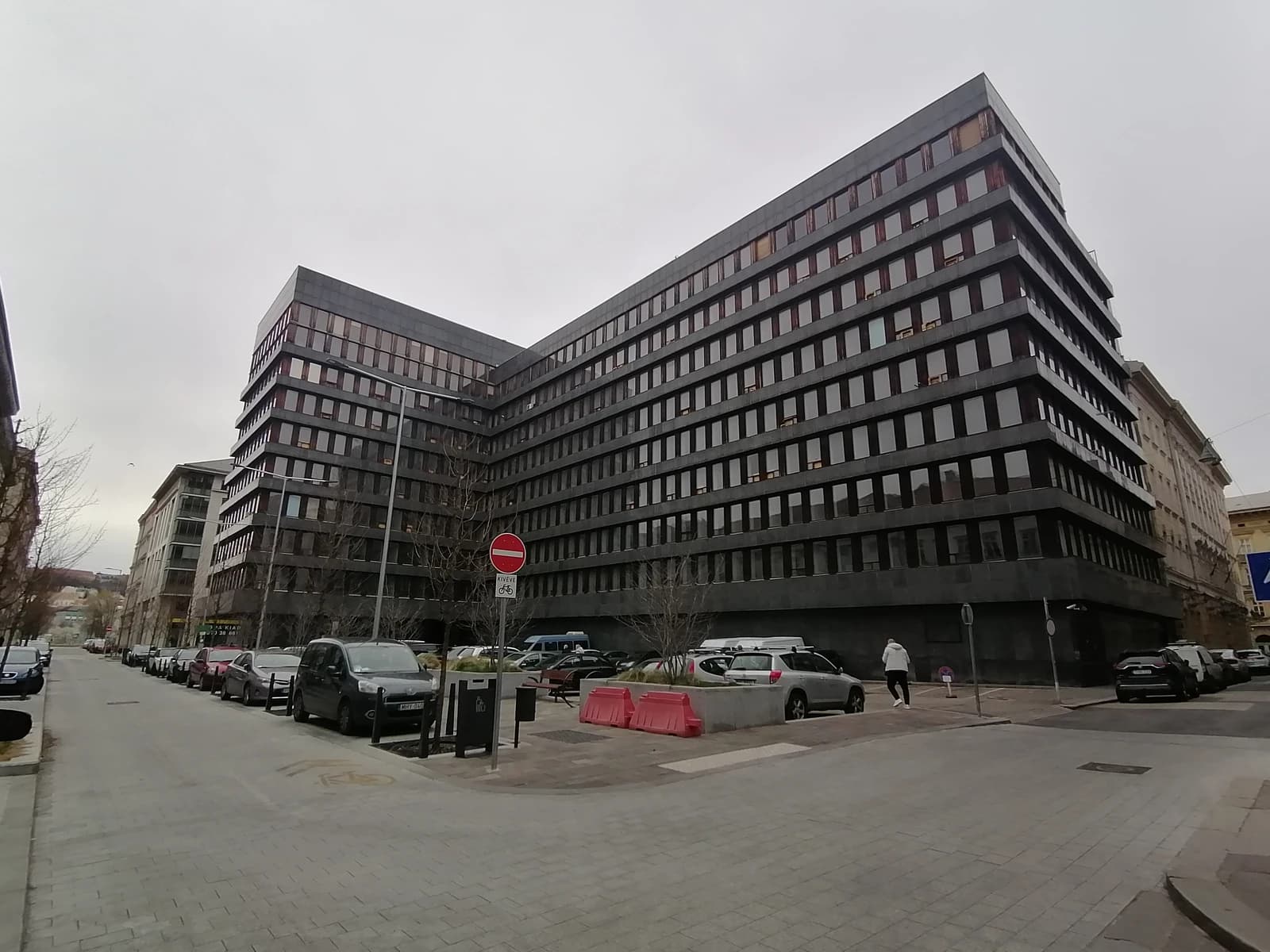
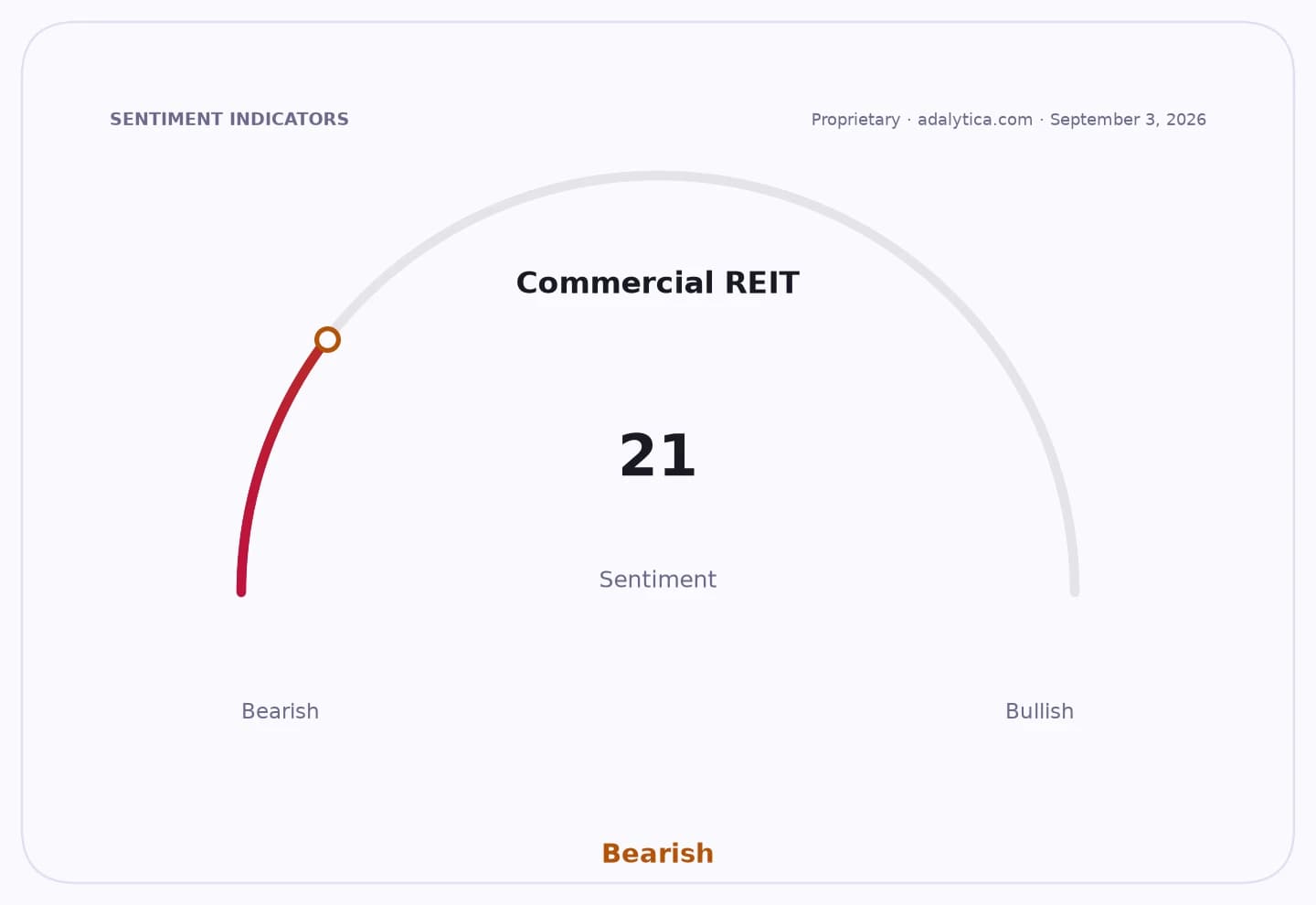
Erste Alapkezelő’s Real Estate Erste Open-End Fund is buying the second phase of Skanska’s H₂Offices project in Budapest, a deal that underscores how scarce prime, fully leased office assets remain attractive even in a market still digesting higher rates and weaker sentiment.
Skanska sells H₂Offices Budapest phase 2 to Erste fund
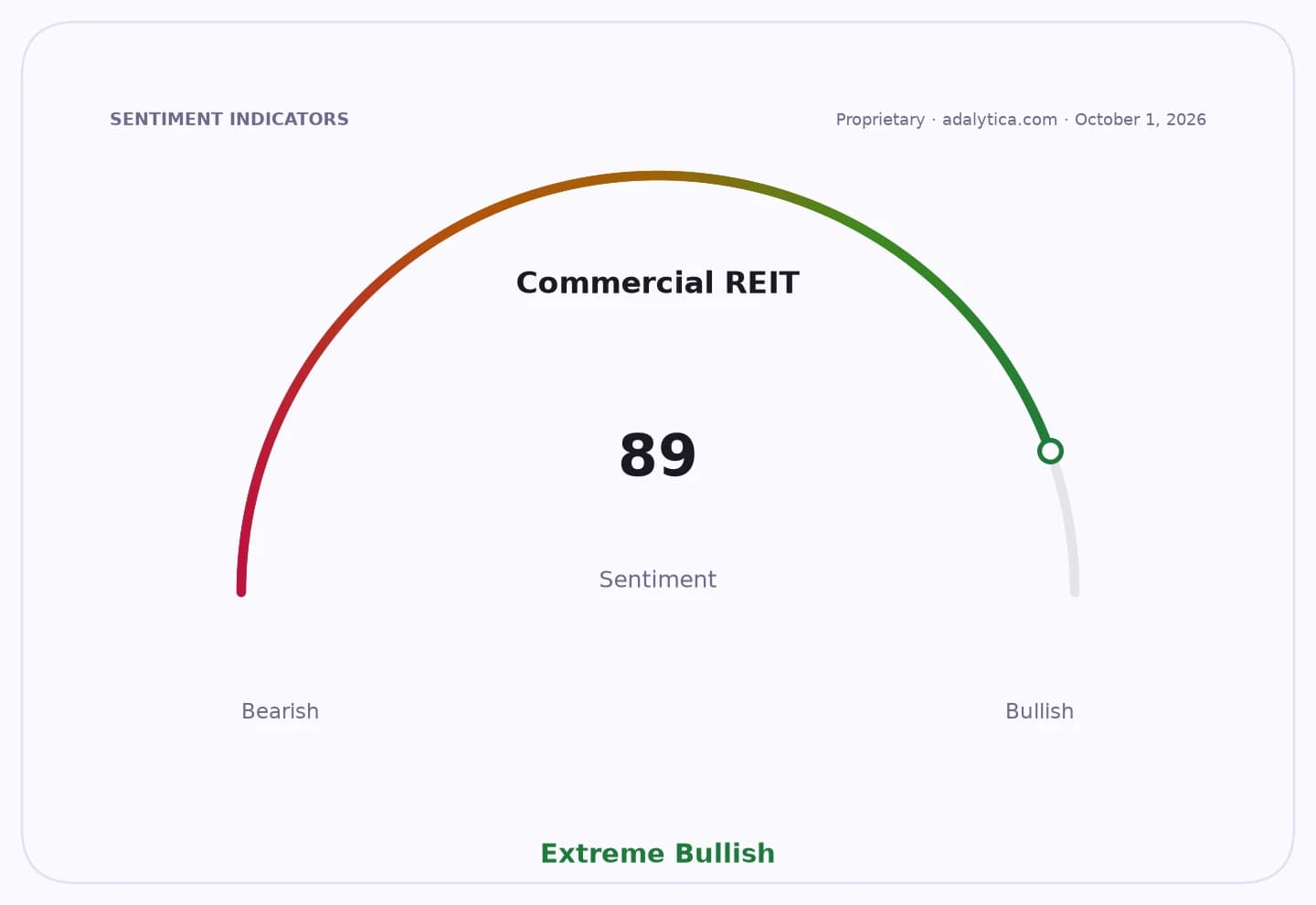
The transaction matters because it combines three things investors are paying close attention to: a long-dated rental contract, a top-tier green building and a central Budapest location on the Váci út office corridor. Skanska said the 22,000-square-metre phase has already been let بالكامل to a global company on a 10-year lease, making it the largest speculative office lease in Hungary in the past decade. In a market where financing costs have risen and office demand has been uneven, a fully pre-let asset with a blue-chip tenant reduces cash-flow risk and supports valuations.
For Erste, the purchase is a way to deepen its premium office portfolio with an asset that is effectively de-risked before completion. The fund cited the building’s location, long lease and sustainability credentials as consistent with its strategy and investor expectations. For Skanska, the sale helps crystallize value from a project still under construction and recycle capital into development, while also proving that there is still institutional appetite for large, modern offices in Budapest when the tenant profile is strong enough.
The second phase of H₂Offices is due for completion in the first quarter of 2027 and is being built with energy-efficient systems, including heat pumps and rooftop solar panels. Skanska said the project is targeting LEED Platinum, WELL Platinum and Access4You Gold certifications. It also says lower-carbon materials should cut embodied emissions by about 2,200 tonnes of carbon dioxide versus a conventional benchmark building of similar size, a feature that matters as occupiers and investors increasingly price in energy efficiency, compliance costs and ESG standards.
The deal also says something broader about the Hungarian office market. A 10-year lease to a global tenant for 22,000 square metres suggests that top-quality space can still command long commitments, even as companies remain cautious about expansion. That is good news for landlords with modern stock and less reassuring for owners of older, less efficient buildings, which may struggle to compete as occupiers consolidate into newer space that is cheaper to run and easier to certify.
Skanska’s shares were little changed in Stockholm after the announcement, but the strategic message for the sector is clearer than the immediate market move. Prime, fully leased office assets in core Central European cities still trade, while speculative risk has become harder to place unless it is offset by a major tenant, green credentials and a strong location. Investors will now watch whether similar transactions follow in Budapest and other regional capitals, and whether demand for best-in-class offices can keep pace as more supply completes in 2027.
| Entity | Gains | Losses |
|---|---|---|
| Erste Real Estate Fund | ▲De-risked premium asset | ▼Development execution risk |
| Skanska | ▲Capital recycling, valuation validation | ▼Future rental upside |
| Global tenant | ▲New efficient HQ-grade space | ▼Long lease commitment |
| Older Budapest office landlords | ▲None | ▼Competitive pressure |