Hungary’s inflation cooled to 1.2% in July, a sharper-than-expected slowdown that strengthens the case that the economy is moving out of its post-shock slump and gives policymakers more room to support a fragile recovery.
Hungary inflation cools to 1.2% in July

The reading matters because price stability has been one of the biggest constraints on Hungarian growth over the past two years. A softer inflation print eases pressure on households that have been squeezed by higher living costs, while also improving the odds that the central bank can keep policy relatively accommodative if growth remains weak. For investors, it reduces immediate tail risk around aggressive tightening and supports the argument that local assets are becoming less vulnerable to another inflation surge.
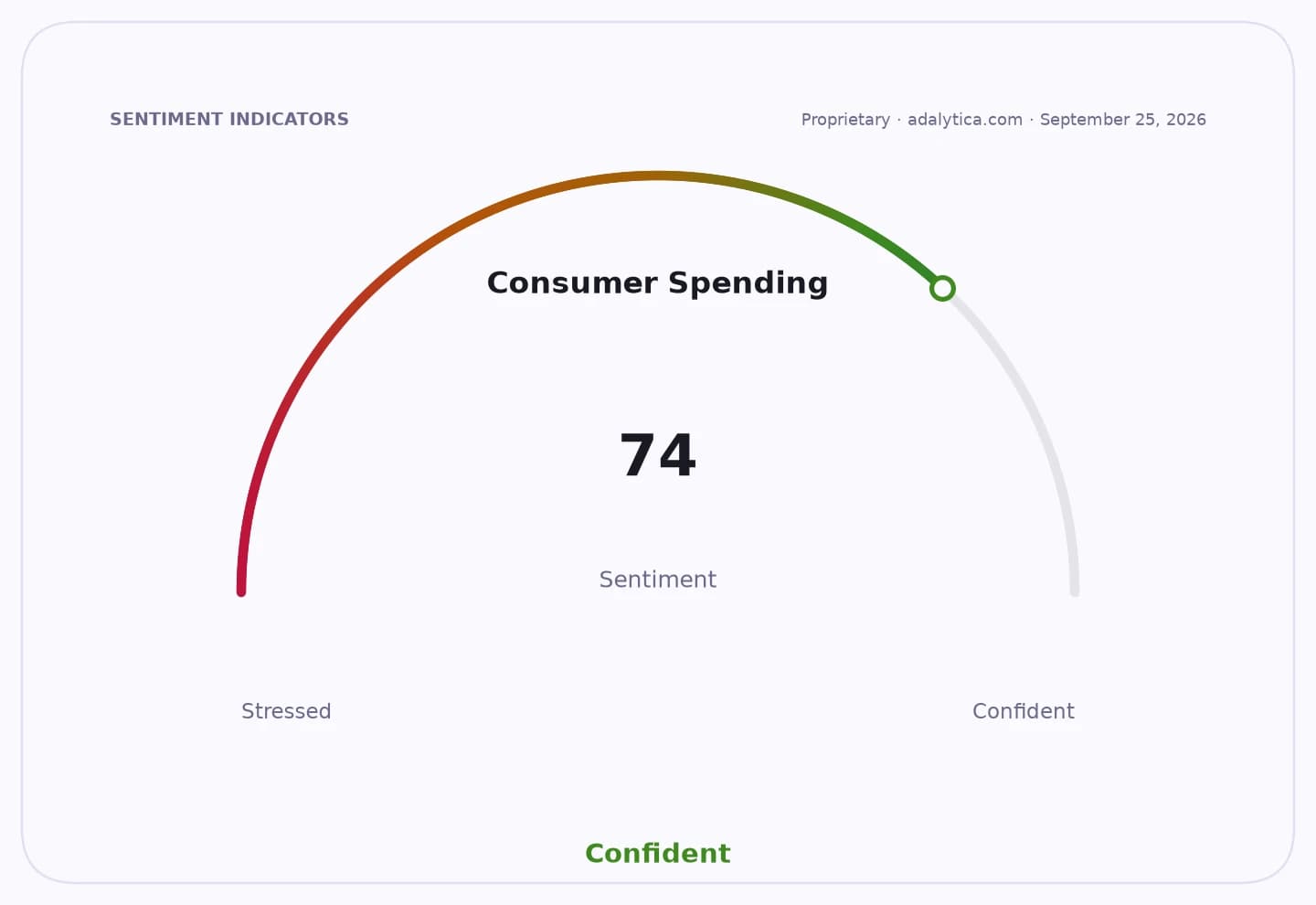
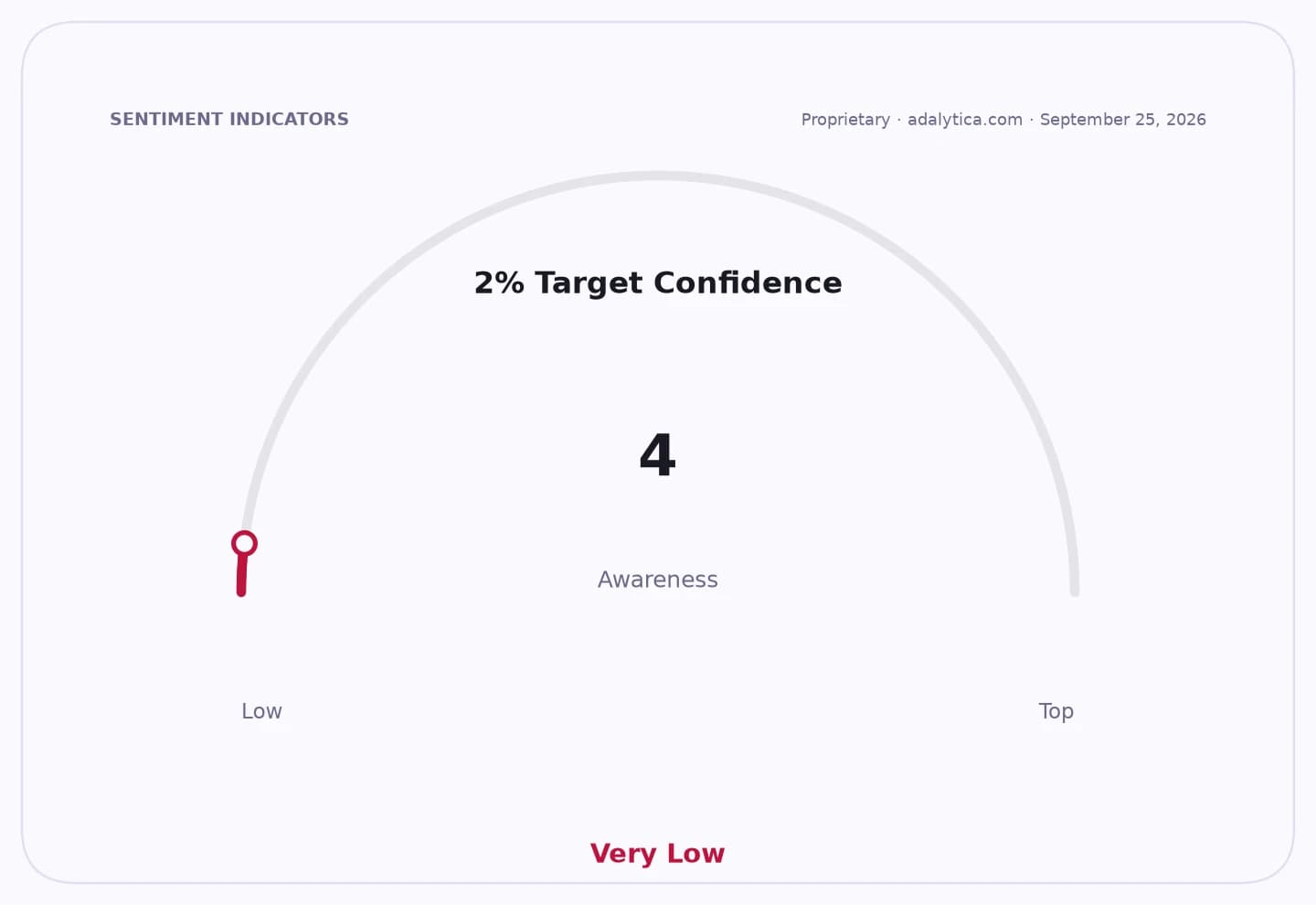
Sentiment IndicatorsⓘProprietary · adalytica.com · August 8, 2026
This is a snapshot — live sentiment, awareness and momentum for 130+ markets update continuously in the dashboard.Open AlphaPulse
The July figure also fits a broader pattern of cooling price pressure across parts of Europe as energy costs normalize and domestic demand remains uneven. In Hungary’s case, the slowdown comes as the government seeks to project confidence that recovery signs are building, helped by improving energy conditions and signs of stabilization in consumption. The reopening of the Pakš nuclear plant, if sustained, would add to that sense of relief by supporting supply security and lowering the risk of another energy-driven price shock.
That said, the inflation backdrop is still delicate. A single low reading does not guarantee a durable disinflation trend, particularly if wage growth, imported costs or currency weakness reassert themselves later in the year. But for now, the July print gives Budapest a better macro starting point: less inflation pain for consumers, less pressure on policymakers, and a more constructive backdrop for Hungarian assets if growth improves without reigniting prices.
| Entity | Gains | Losses |
|---|---|---|
| Hungarian households | ▲lower cost pressure | ▼less urgency for wage catch-up |
| Hungary’s central bank | ▲more policy flexibility | ▼less room to tighten against future shocks |
| Local bonds and equities | ▲improved macro sentiment | ▼risk of renewed volatility if inflation rebounds |
| Energy importers / consumers | ▲easier bills and planning | ▼producers facing weaker pricing power |