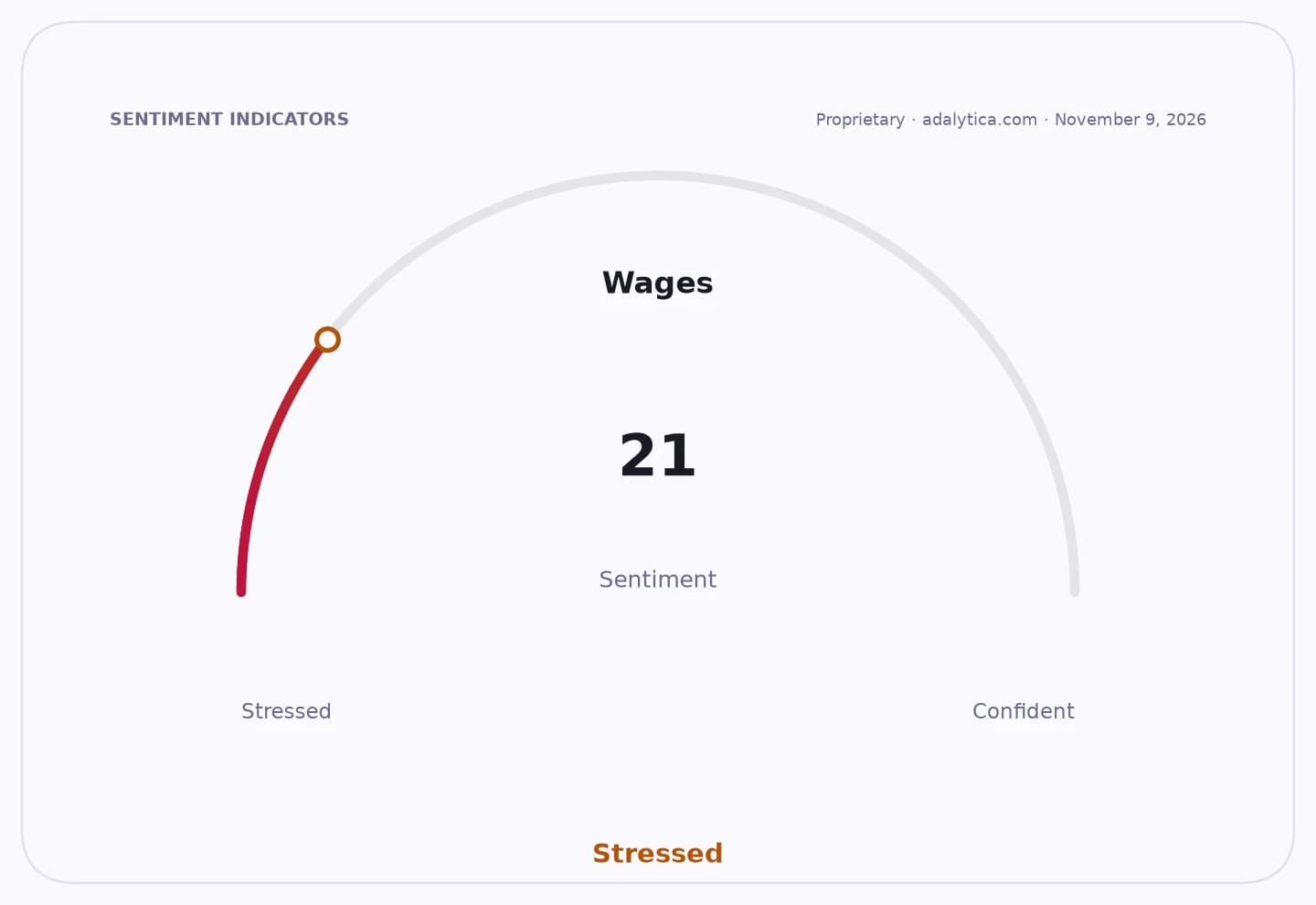
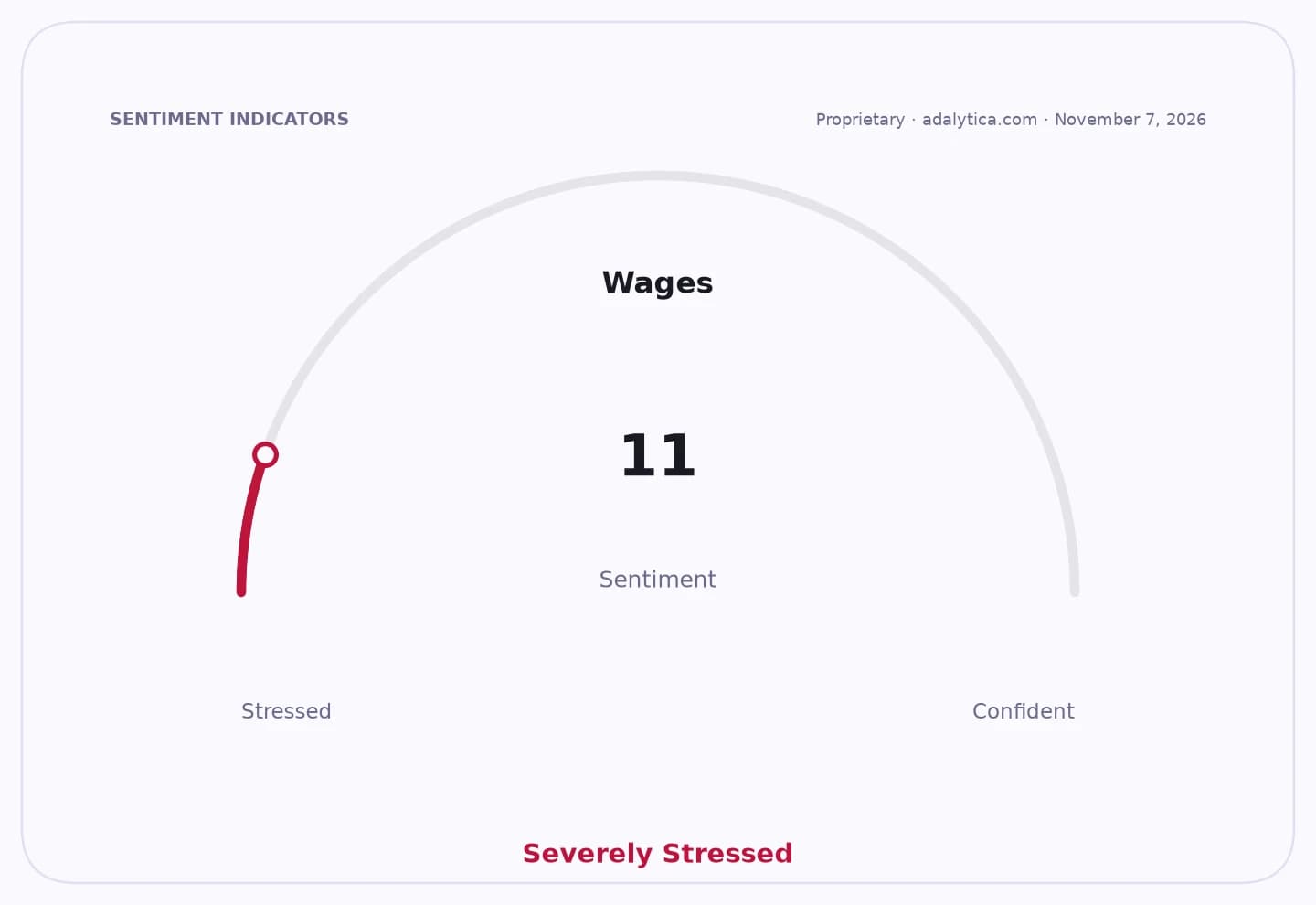
Hungary’s net wages rose 10% in August from a year earlier, with family tax benefits and wider tax relief for parents doing much of the heavy lifting as inflation stayed low enough to lift real incomes sharply.
Hungary net wages rise 10% in August
The central statistical office said full-time workers earned a gross average of 740,600 forints and a net average of 519,900 forints, while real wages climbed 8.6% as consumer prices increased just 1.3%. The gap between gross pay, up 8.4%, and net pay shows how tax policy is now amplifying household income growth beyond what employers are paying.
That matters for the economy because it supports household spending power at a time when Hungary is trying to keep consumption on a firmer footing. Lower inflation and stronger take-home pay should help retail sales, services demand and broader domestic activity, even if some of the boost comes from the tax code rather than from underlying wage pressure.
The figures also underline how government family policy is reshaping reported pay trends. The statistical office said higher family tax allowances from January, plus expanded benefits for mothers, were a key reason net wages rose faster than gross wages.
Regular gross earnings, excluding one-off bonuses and premiums, were 710,600 forints in August, up 7.6% from a year earlier. Median pay was lower, at 611,400 forints gross and 433,400 forints net, reinforcing how the average is still being pulled up by higher earners and public-sector payments.
For investors, the mix of faster real wage growth and subdued inflation is supportive for domestic demand and could ease pressure on policymakers to maintain restrictive settings. But it also means wage data are becoming harder to read as a clean gauge of labor-market momentum, because tax changes are materially boosting take-home pay.
The year-to-date average is even stronger, with net wages up 12.7% in the first eight months, though that comparison is distorted by a large January payout in the state sector. The next test will be whether consumption stays resilient as one-off fiscal support fades and the labor market data continue to normalize.
| Entity | Gains | Losses |
|---|---|---|
| Households with children | ▲Higher take-home pay | ▼Smaller tax burden |
| Hungarian consumers | ▲Stronger purchasing power | ▼Less need to cut spending |
| Employers | ▲Less wage pressure needed for retention | ▼Harder to read labor costs |
| Tax authorities/state budget | ▲None | ▼Lower near-term revenue |