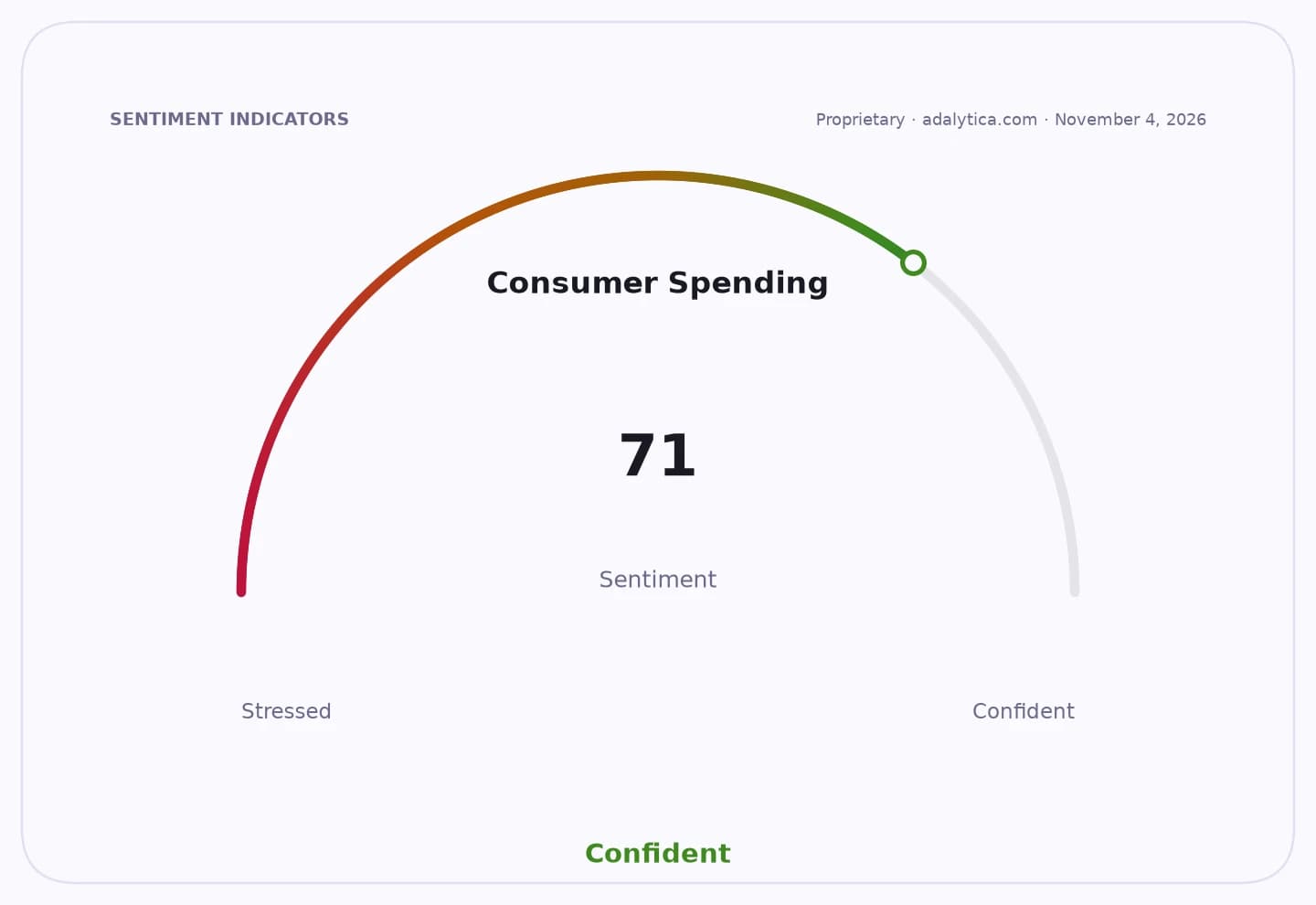
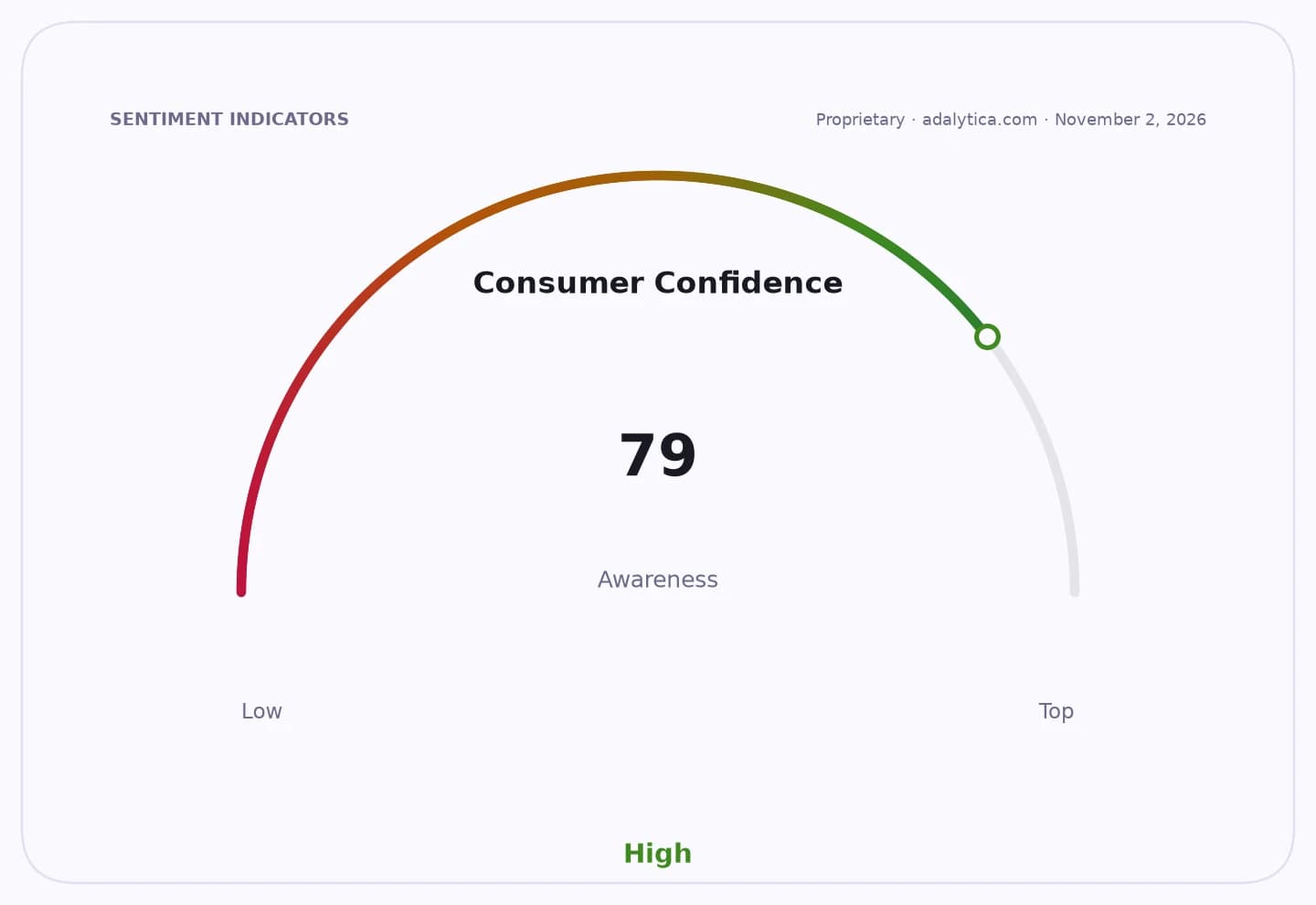
Romania’s planned minimum-wage increase for 2027 is set to give low-paid workers only a fraction of the headline gain, sharpening the fight over labor taxes just as employers brace for higher payroll costs and thinner margins.
Romania minimum wage plan raises tax burden debate
The core issue is economic, not political theater: for every 300 lei added to the minimum wage, workers would take home only about 100 lei net, with the rest absorbed by taxes and payroll charges, according to calculations cited by employers. That is why business groups are pressing Bucharest to cut the tax burden on low incomes rather than keep relying on brute-force wage hikes. Their argument is simple — if the state claims most of the increase, the policy does less to lift living standards than the headline suggests and more to squeeze companies already coping with higher energy and fuel costs.
Sentiment Indicators
That matters because the minimum wage is no small-side issue in Romania. About 1.4 million full-time employees, or 26.9% of the workforce, were either at the minimum wage or within 75 lei of it at the end of September 2026, according to union-backed REGES-ONLINE data. In other words, this is not a niche labor dispute; it is a broad-based hit to household purchasing power, company payrolls and ultimately inflation dynamics.
Authorities are weighing three scenarios for January 1, 2027. Under the legal formula, the gross minimum wage would rise to 4,593 lei from 4,325 lei. Other proposals call for 4,884 lei or 5,079 lei, with the higher outcomes tied to 50% or 52% of projected average gross earnings. The national trade union bloc wants 4,652 lei. None of that is finalized, but the direction of travel is clear: labor costs are going up, while the net benefit to workers is diluted by taxation.
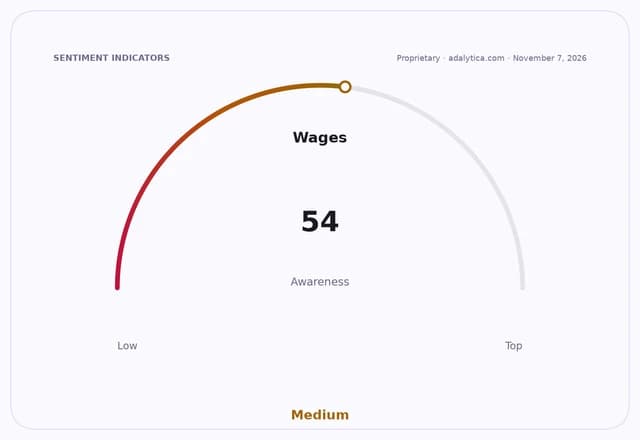
Wages — 30-day sentimentadalytica.com
Explore this data interactively — full history, time series and cross-market comparisons.
Employers say that is the wrong policy mix. FPIOR, the hospitality federation, argues Romania already has one of the heaviest tax burdens on low wages in the European Union and wants the government to reduce or even eliminate taxation on the minimum wage. IMM Romania warns that a 300- to 500-lei gross increase, alongside dearer power and fuel, could cut average company profits by 12% to 18% depending on business size. It also estimates that a 300-lei increase would lift the employee’s net pay by only about 100 lei while raising employer costs by 311 lei a month once a current 200-lei tax break expires at year-end 2026.
That gap between what firms pay and what workers receive is the real investment takeaway. The market underestimates how quickly wage policy can turn into a margin story for labor-intensive businesses, especially small and mid-sized employers with limited pricing power. Hospitality, retail and other service-heavy sectors are the most exposed, while payroll processors and compliance vendors may see more activity as companies adjust pay structures and tax calculations.
The bigger macro message is that Romania is trying to use wages to address inequality while leaving the tax structure largely untouched. That may preserve budget revenue, but it also blunts the social impact of wage growth and increases the risk that firms respond by slowing hiring, compressing pay differentials or passing on costs. If Bucharest wants a real boost to disposable income at the bottom of the wage scale, the next catalyst will have to be a cut in labor taxation — not just another headline increase.
| Entity | Gains | Losses |
|---|---|---|
| Low-wage employees | ▲Higher gross pay | ▼Most of the increase is taxed away |
| Romanian state | ▲Higher payroll tax revenue | ▼Political pressure over weak net gains |
| Employers, especially SMEs | ▲None | ▼Higher labor costs, thinner margins |
| Payroll/compliance providers | ▲More wage recalculations | ▼None |