Hungary’s new defense minister has signaled the sharpest policy break with Moscow in years, a shift that could reshape Budapest’s security alignment, reduce geopolitical risk premia and make the country more investable for Western capital.
Hungary's Russia Pivot Lifts Forint Outlook
The minister’s pledge to “close the door” to Russian influence matters because Hungary has long been the European Union and NATO member most associated with ambivalence toward the Kremlin. A clearer move away from Russia would ease concerns in Brussels and Washington about intelligence exposure, energy dependence and policy obstruction inside the bloc, while also lowering the risk that Hungary becomes a weak link in Europe’s eastern flank.

For investors, the significance is less about rhetoric than about credibility. A government seen as restoring trust with Western allies can improve the backdrop for Hungarian assets by reducing headline risk around sanctions, funding access and geopolitical isolation. That matters most for the forint and for Hungary’s domestic rate outlook, which have both been sensitive to shifts in external confidence. The forint has recently been trading around 314 to the dollar, near its stronger range this year, while EUR/HUF has firmed to roughly 359 after months of volatility. Conventional technical indicators on both crosses show improving momentum, with the forint’s RSI easing from overbought levels and the dollar pair’s MACD staying positive, suggesting markets are already giving some benefit of the doubt to policy continuity.
The move also has broader economic implications. Hungary is a small open economy that depends on European trade, capital flows and policy alignment far more than on any advantage it can extract from Moscow. A cleaner break from Russian influence could support foreign direct investment, particularly from German and other EU manufacturers that prize predictable governance and stable access to EU institutions. It may also help Budapest secure a less confrontational relationship with NATO and the European Commission at a time when funding, defense cooperation and supply-chain resilience have become more politically charged.
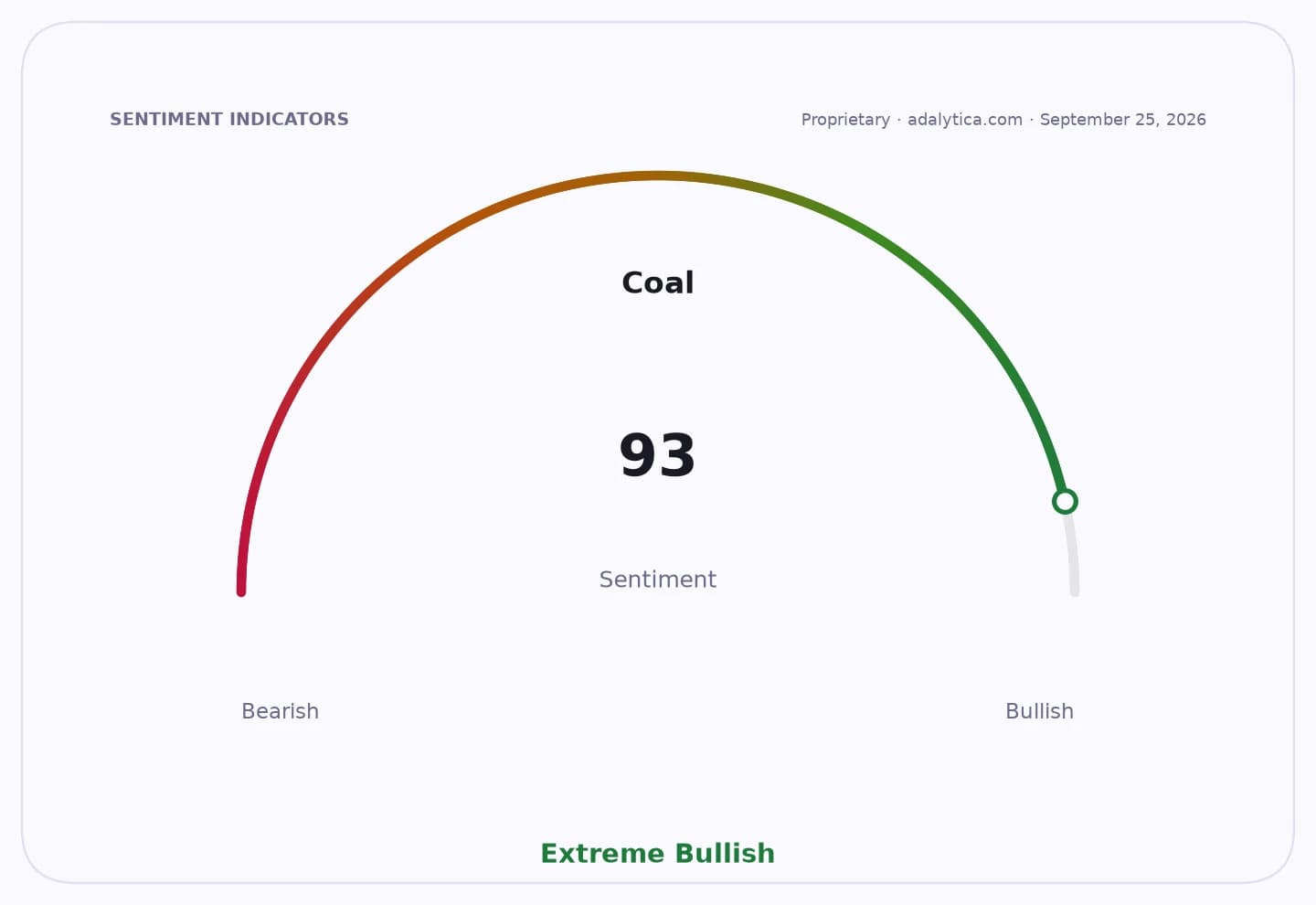
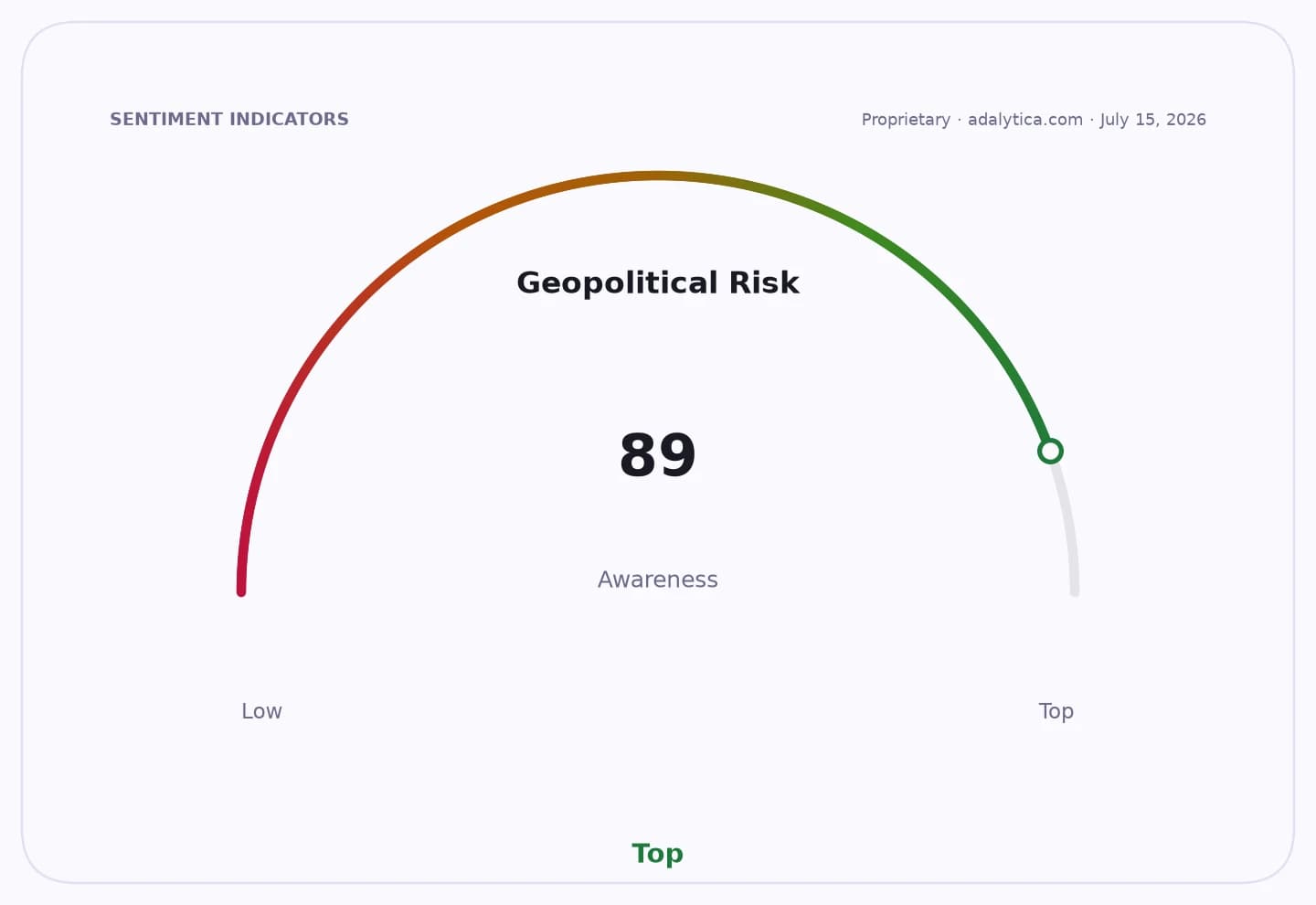
The shift comes against a broader backdrop of heightened geopolitical caution. Adalytica’s Global Stability Sentiment gauge shows “Extreme Fear” at 15, even as awareness of risk remains elevated, underscoring how quickly investors are repricing geopolitical exposure. In that setting, even incremental evidence that a government is moving away from Moscow can matter for regional risk assets, especially in Central Europe where currency moves often act as the first transmission mechanism.
There is still a bear case. Hungary’s history of tactical balancing means investors will want to see actions, not declarations, before assigning a lasting premium to the new stance. Any friction with Russia over energy, or a relapse into political ambiguity, could quickly reverse gains in sentiment. But if Budapest follows through, the main beneficiaries are likely to be Hungary’s currency, its sovereign risk profile and foreign investors seeking a more orthodox policy mix in one of the EU’s more controversial members.
| Entity | Gains | Losses |
|---|---|---|
| Hungary / forint | ▲Lower risk premium | ▼Fewer East-West options |
| EU and NATO allies | ▲Stronger cohesion | ▼Less room for compromise |
| Western investors | ▲Better policy visibility | ▼Still face political execution risk |
| Russia | ▲Reduced influence | ▼Loss of leverage in Budapest |