Quantum computing is no longer a science project on the far edge of technology investing. It has become a real capital race, and the company with the deepest enterprise relationships, the most credible hardware path and the patience to fund years of losses may be the one investors end up rewarding most.
IBM, Alphabet, Amazon and Microsoft race in quantum
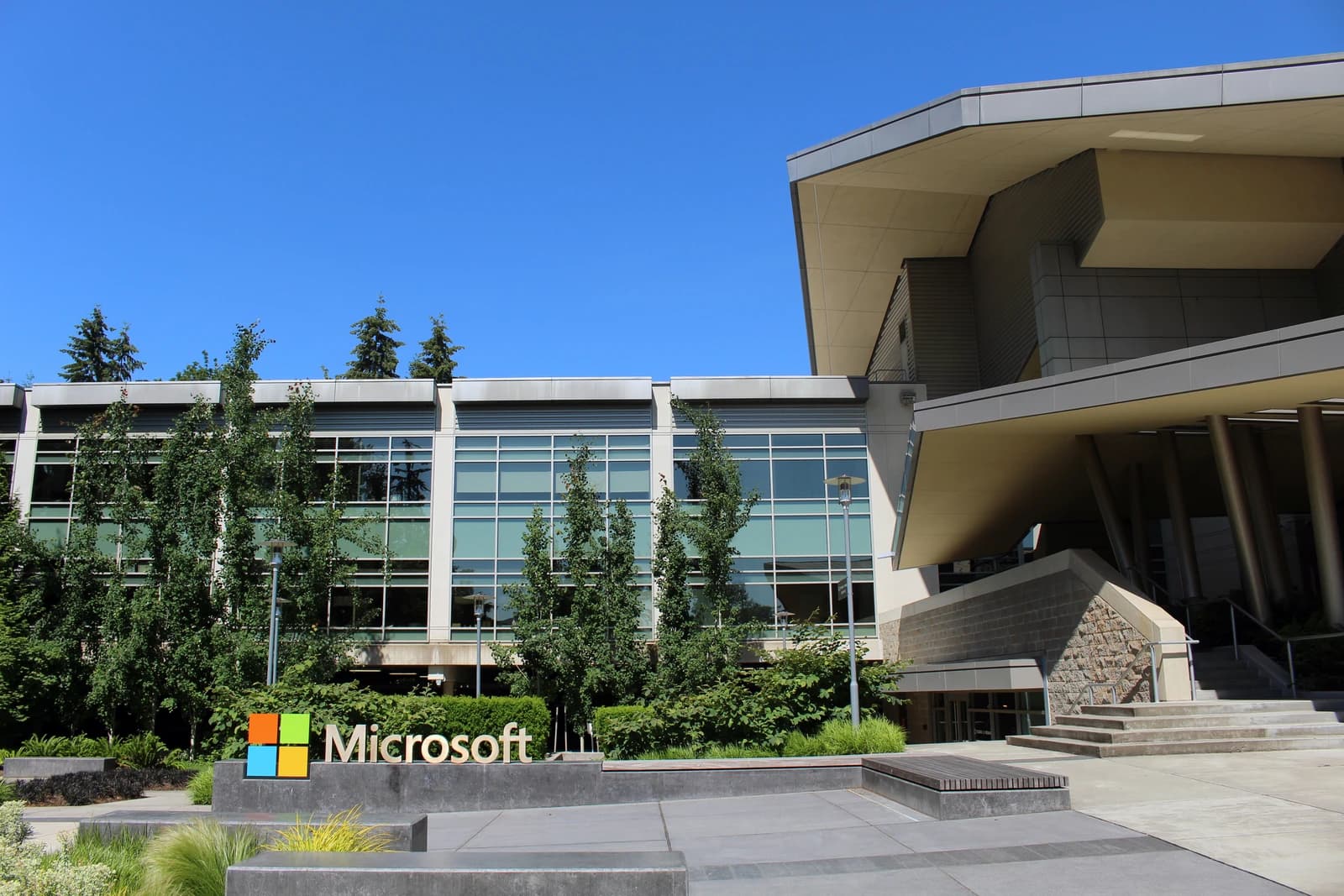
Microsoft Corp
That is the core story behind the latest wave of announcements from Alphabet, Amazon and Microsoft, and why IBM deserves to be in the conversation too. Each is trying to solve the same problem: how to move quantum computing from promising experiments to reliable machines that can tackle chemistry, logistics, materials science and cybersecurity. The prize is enormous, but so is the bill.
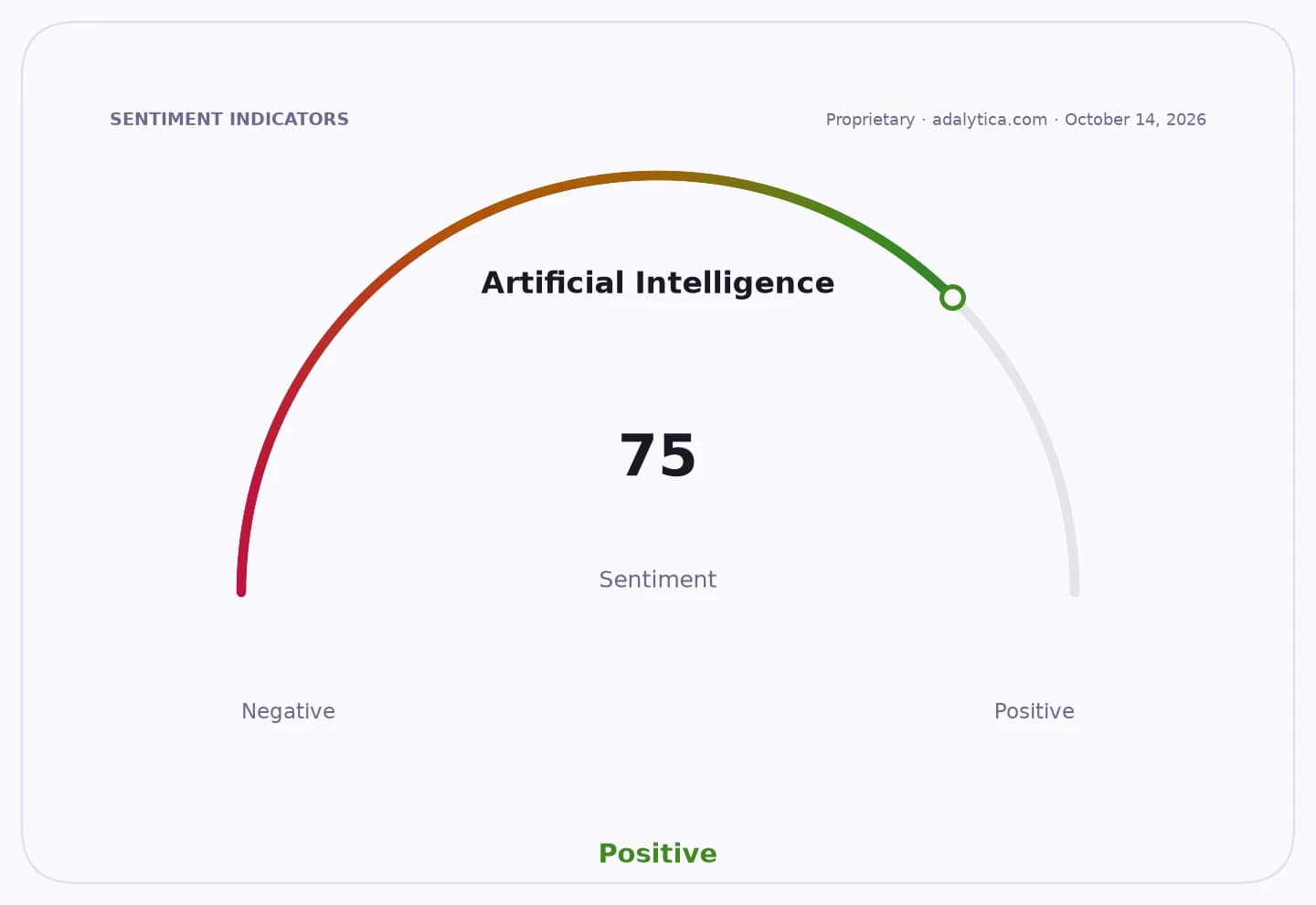
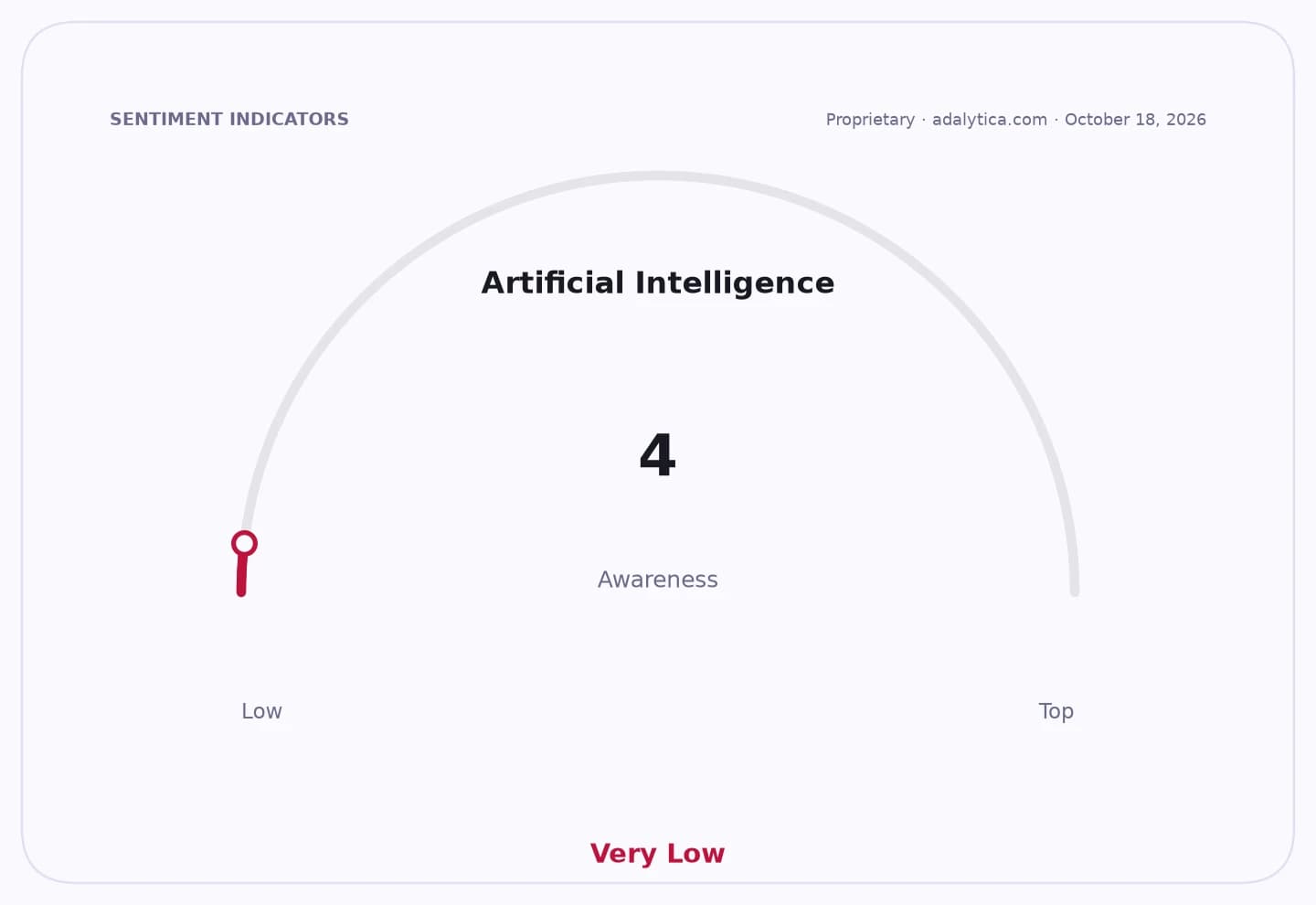
Sentiment Indicators
For investors, that matters because the winners may not be the first companies to unveil the flashiest chip. They may be the firms that can survive the long stretch between prototype and profit. That favors balance-sheet strength, ecosystem control and the ability to keep funding research while waiting for commercial demand to catch up.
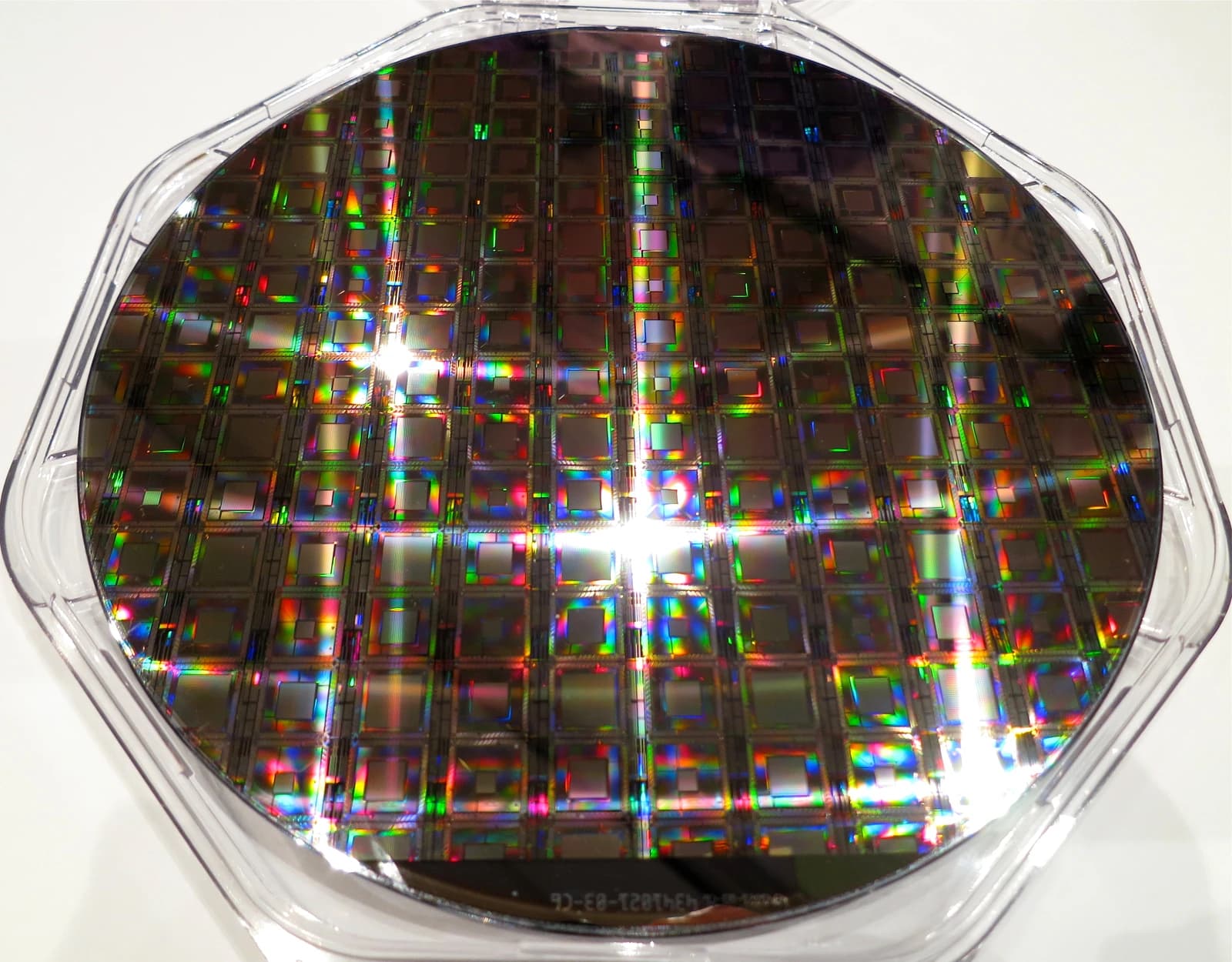
Alphabet appears furthest along in conventional hardware. Its Willow chip uses 105 transmon qubits, a more established design than many rivals, and it reportedly maintains coherence for as long as 68 microseconds, a fivefold improvement over earlier generations. That still falls far short of the millions of qubits many experts think will be needed for truly useful real-world applications, but it shows why Alphabet’s approach is viewed as the workhorse of the group.
Amazon is taking a riskier route with Ocelot, a five-cat-qubit prototype that reportedly cuts certain error rates by as much as 90%. The appeal is obvious: lower error rates and longer coherence times could eventually make quantum systems more practical. The catch is that cat qubits remain experimental, and Amazon is still trying to prove the hybrid architecture can be scaled without introducing new noise problems.
Microsoft has gone even further out on the frontier with Majorana 1, its topological-qubit effort. The idea is elegant because it could, in theory, make qubits more stable and easier to scale. But the technology is still unproven, and Microsoft’s recent Nature paper addressed only part of the challenge. That makes it the most speculative bet of the three, even if it could prove the most powerful over the long term.
IBM, meanwhile, has stayed in the race with a more measured industrial strategy. The company has said it plans to invest more than $10 billion in quantum over the next five years, spanning R&D, capital spending, manufacturing scale-up, M&A and ecosystem expansion. That kind of commitment matters because quantum computing will not be won by a single chip announcement. It will be won by whoever builds the software, cloud access, developer tools and enterprise customer base needed to turn quantum into a product.
That is what makes this sector so interesting for long-term investors. Quantum is not a trade; it is a decade-long platform bet. Today’s leaders may not be tomorrow’s winners, and some of the most valuable businesses in the chain may be the suppliers, integrators and cloud platforms that make the machines useful before they make money.
The market is already starting to price in that possibility. IBM has been trading with strong momentum, while Microsoft and Alphabet remain supported by broader AI and cloud franchises that can absorb the cost of research. Amazon’s quantum effort is smaller, but it benefits from the same advantage that powers AWS: scale, customer reach and a willingness to invest ahead of revenue.
There are real risks, of course. Quantum hardware is still fragile, commercialization may take longer than bulls expect and not every design will survive the scale-up process. Some players may burn cash for years without ever shipping a truly useful machine. That is why investors should resist the urge to chase every headline and instead focus on companies with durable moats and the balance sheets to outlast the hype cycle.
Still, the larger narrative is hard to miss. Big Tech is not dabbling in quantum anymore. It is arming itself for a market that could eventually reshape computing, cybersecurity, scientific discovery and AI infrastructure. For patient investors, that makes the leaders of today worth watching closely and the smaller specialists worth keeping on a diversified watchlist.
| Entity | Gains | Losses |
|---|---|---|
| Alphabet | ▲Established transmon lead | ▼Rivals chasing newer qubit designs |
| Amazon | ▲Optionality from Ocelot research | ▼Near-term certainty of returns |
| Microsoft | ▲Long-shot upside from topological qubits | ▼Investors seeking proven hardware |
| IBM | ▲Enterprise trust and quantum spending scale | ▼Smaller pure-play quantum firms |