A once-popular ice cream maker sold at Walmart, Target and Kroger has filed for bankruptcy, another sign that consumers are still punishing packaged-food brands that cannot absorb higher costs or pass them through without losing volume.
Ice Cream Maker Files for Bankruptcy

That matters because the failure is not just about one dessert label. It shows how brutally inflation, higher borrowing costs and shifting shopper behavior continue to squeeze lower-to-mid-tier consumer brands at the exact moment grocery traffic is consolidating around the biggest retailers and the strongest private-label operators. For investors, the message is clear: the winners in this cycle are the retailers with pricing power and scale, while the losers are the fragile brands sitting in the middle of the aisle with weak balance sheets and undifferentiated products.
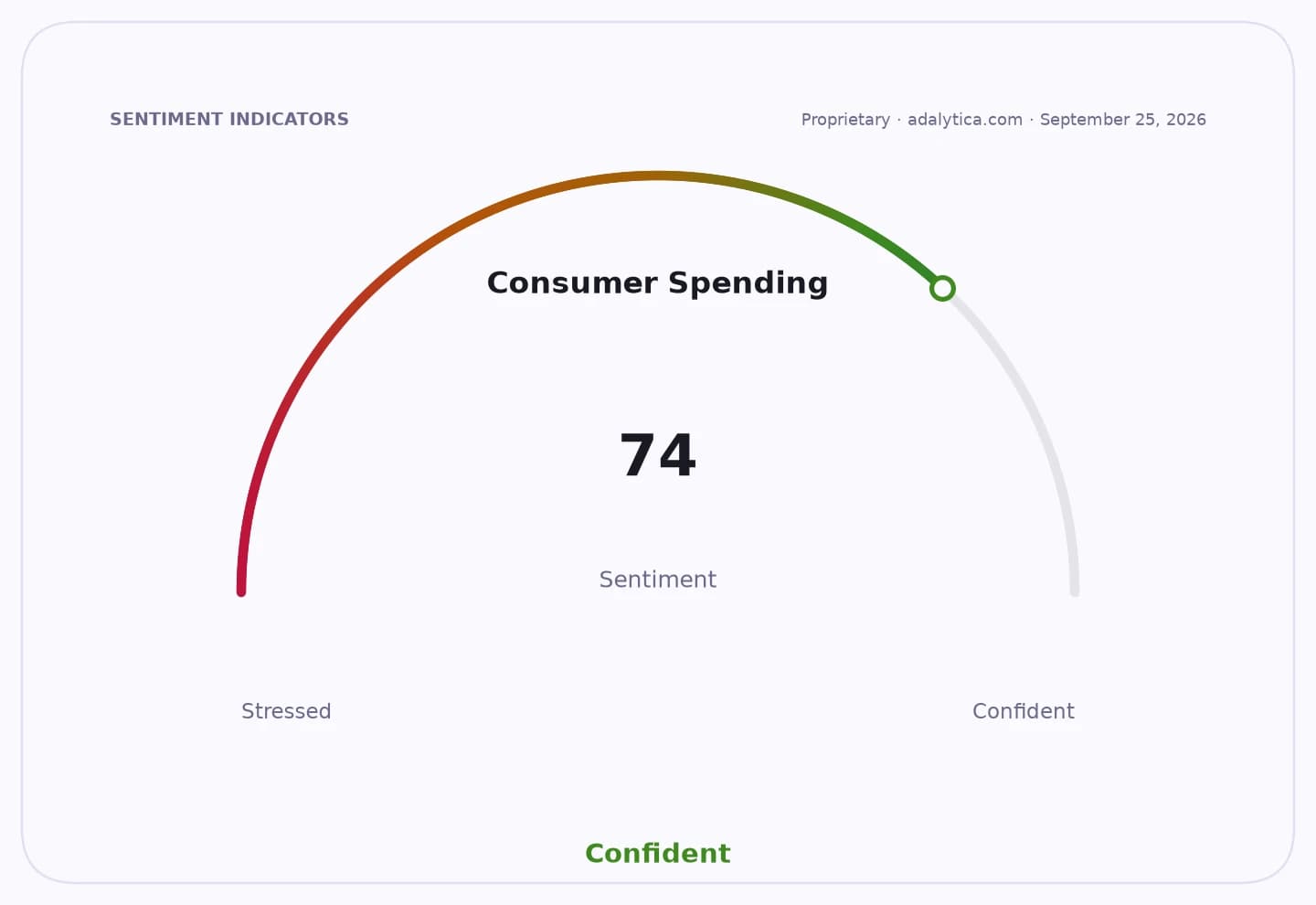
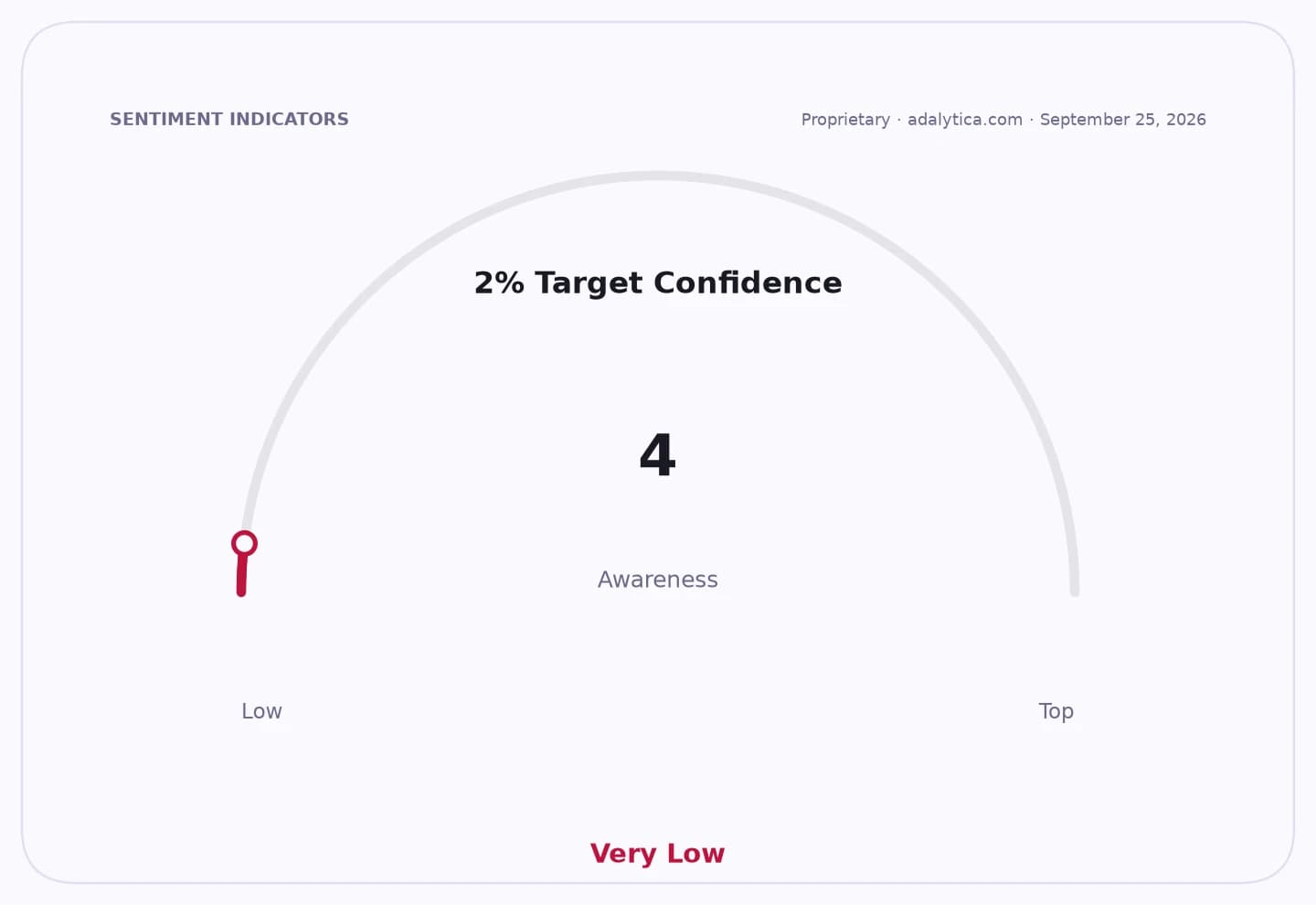
Sentiment IndicatorsⓘProprietary · adalytica.com · August 17, 2026
This is a snapshot — live sentiment, awareness and momentum for 130+ markets update continuously in the dashboard.Open AlphaPulse
The backdrop is still unforgiving even as headline inflation has cooled from its peak. Consumer prices are running far above pre-pandemic levels, and unemployment remains low enough that the macro economy looks stable on paper. But that has not translated into easy conditions for food manufacturers that rely on narrow margins, promotional spending and debt financing. When shoppers trade down, they do not abandon frozen treats altogether — they buy the cheapest option or the store brand.
That is exactly where the market underestimates the real opportunity. Bankruptcy at a branded ice-cream player is a warning that shelf space is becoming more valuable, not less. Walmart, Target and Kroger are not just customers in this story; they are the distribution power centers that decide which products survive and which disappear. The more stressed the branded supplier base becomes, the more leverage flows to the retailers.
The retail stocks already reflect that divide. Walmart has held up far better than most consumer names because investors see it as a defensive share gainer with scale, logistics strength and pricing discipline. Target has been more volatile, but it still benefits when consumers trade down from premium labels. Kroger, meanwhile, is positioned as a classic grocery winner when private-label penetration rises and suppliers lose negotiating power.
The technical picture in those names reinforces the relative strength. Walmart and Target have both been trading above their 200-day moving averages in the latest data, while packaged-beverage and snack names such as Keurig Dr Pepper have also recovered from earlier weakness. That does not make them immune to margin pressure, but it does show where capital is rotating: into distribution, staples and essentials, not into fragile branded manufacturers.
This is why I believe the bankruptcy matters far beyond one ice cream freezer. It is part of a larger secular reset in consumer spending, where value chains and grocery giants are absorbing share from weaker brands. If you want to play the trend, do not chase the distressed label. Own the toll roads of consumption — the retailers, logistics networks and private-label beneficiaries that profit every time a struggling brand loses a slot.
The next catalyst is straightforward: more refinancing stress, more promotions and more consolidation in packaged foods. As the weakest brands get squeezed, the strongest retailers will keep taking share. In this market, that is where the asymmetric upside is.
| Entity | Gains | Losses |
|---|---|---|
| Walmart | ▲More private-label share | ▼Less shelf competition |
| Target | ▲Trade-down traffic | ▼Weak branded suppliers |
| Kroger | ▲Grocery pricing power | ▼Distressed ice-cream brand |
| Ice cream maker | ▲None | ▼Bankruptcy and dilution |