Utilities in Idaho are signaling that nuclear power remains more of a long-term option than a near-term solution, with high construction costs and permitting timelines that can stretch a decade or more continuing to keep projects out of reach.
Idaho utilities say nuclear is a long-term option
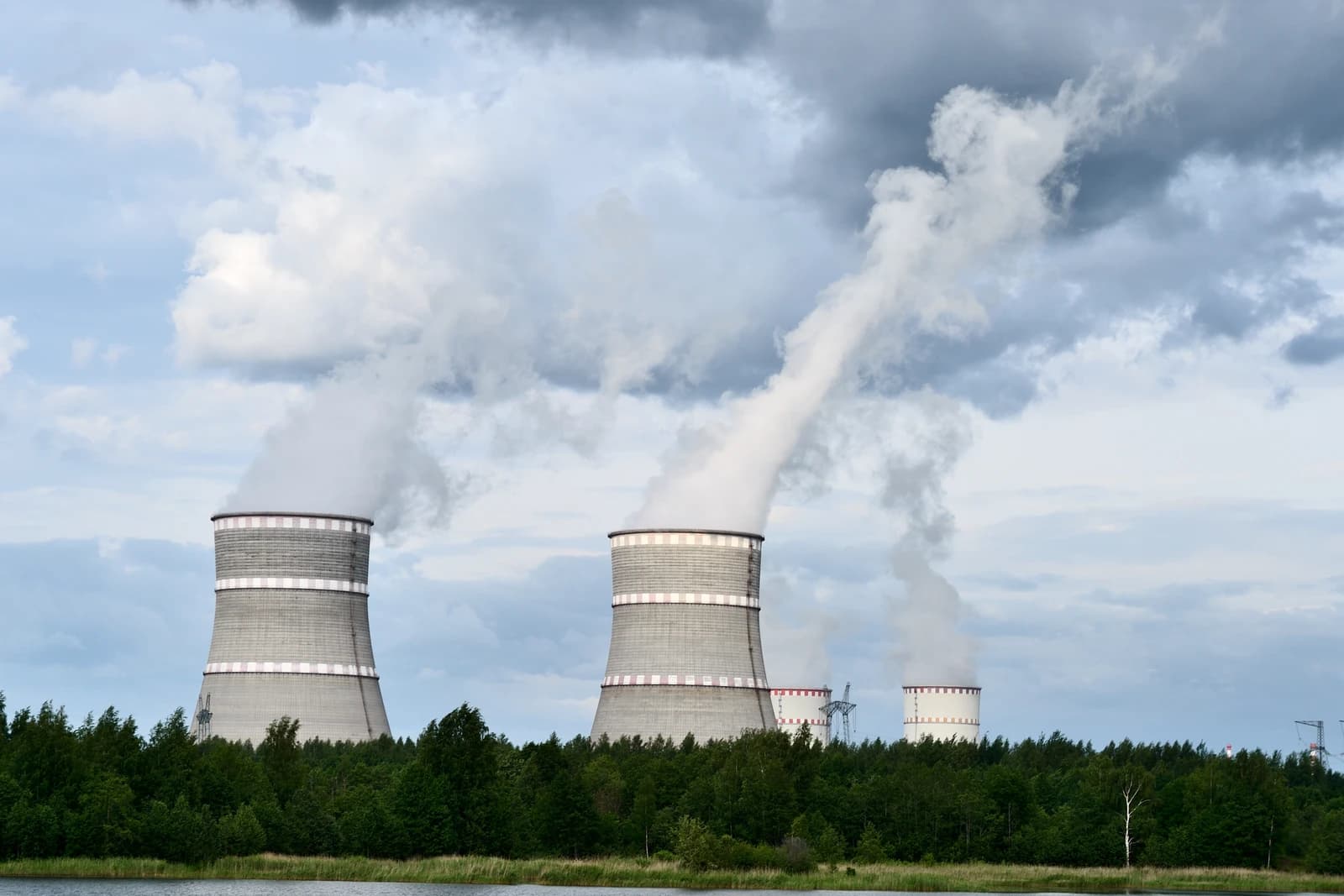
That matters because the debate goes to the heart of how western utilities will meet rising demand for reliable electricity without taking on the cost and execution risk that regulators are charged to avoid. Idaho Power, Rocky Mountain Power and Avista told state regulators that nuclear could deliver dispatchable, carbon-free generation and diversify their portfolios, but they also said the economics are hard to square with Idaho’s “least cost, least risk” mandate.
Sentiment IndicatorsⓘProprietary · adalytica.com · October 25, 2026
This is a snapshot — live sentiment, awareness and momentum for 130+ markets update continuously in the dashboard.Open AlphaPulse
Idaho Power Chief Operating Officer Adam Richins framed the appeal in operational terms, saying nuclear offers “dispatchable clean energy,” a quality that intermittent wind and solar cannot fully match. But he also pointed to the uncertainty that makes it difficult to finance. The utility cited Georgia’s Vogtle expansion as a cautionary example, saying the project ran $16 billion to $21 billion over budget.
For investors, the message is that nuclear’s strategic case remains intact while its commercial case is still fragile. The technology offers a path to firm, low-carbon power at a time when data centers, electrification and industrial demand are forcing utilities to seek around-the-clock capacity. But the capital intensity, long lead times and regulatory complexity mean the sector still depends heavily on policy support, federal guarantees and counterparties willing to sign very long contracts.
That was underscored by Rocky Mountain Power’s recent 40-year power purchase agreement to buy electricity from TerraPower’s nuclear plant under construction in Kemmerer, Wyoming. The project, which is being built at a retired coal site with about $2 billion in federal support, suggests utilities are willing to back nuclear when public financing and long-term offtake reduce the risk. It also shows that the most viable nuclear developments in the U.S. are likely to be those anchored by policy backing, existing infrastructure and utility commitments rather than merchant-market economics.
The broader market context is supportive for uranium and nuclear-adjacent assets, but not necessarily for rapid deployment. Technical indicators on uranium-focused fund URA show the ETF remains well below its 50-day and 200-day moving averages after recent weakness, while its RSI has fallen into oversold territory, highlighting how volatile sentiment remains even with long-term demand hopes intact. Utility stocks with nuclear exposure have also been choppy, reflecting a market that likes the decarbonization story but remains wary of cost overruns, regulatory delays and balance-sheet strain.
Idaho’s forum ended without any action, which is itself telling. Regulators made clear they were there to listen, not to endorse a project. That leaves nuclear in Idaho in the same position it holds in much of the U.S. power sector: politically attractive, economically difficult, and dependent on a financing model that can survive years of permitting and construction risk.
| Entity | Gains | Losses |
|---|---|---|
| Nuclear developers | ▲Long-term policy support | ▼Financing certainty |
| Idaho utilities | ▲Future capacity options | ▼Near-term cost risk |
| Regulators | ▲More information | ▼Pressure to approve expensive projects |
| Ratepayers | ▲Potential cleaner power | ▼Higher bills and delays |