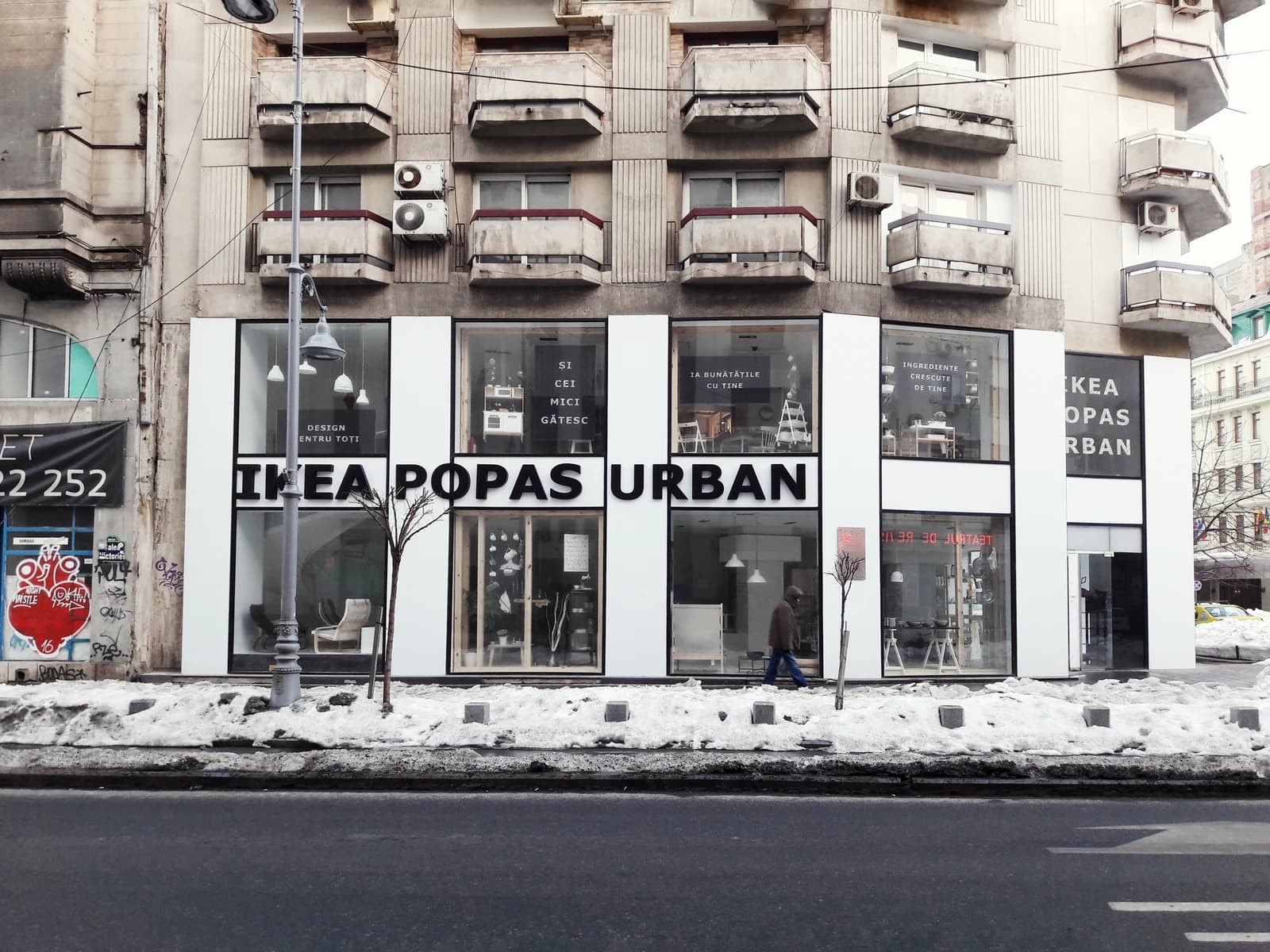
A walkout by about 60 employees at Ikea’s Morschwiller-le-Bas store in Haut-Rhin underscores how cost pressure in retail is now showing up in wages and staffing, not just on shelves and in margins.
Ikea France Store Faces Strike Over Pay and Staffing
The strike, led by CFDT and FO representatives, centers on salaries, working conditions and what unions describe as a forced transformation of the business model that is reducing headcount without replacement. Workers say they are being asked to do more with less, with greater polyvalence, heavier responsibilities and falling pay in real terms. For a retailer built on low prices and high volume, the dispute highlights the tension between keeping prices competitive and preserving a social model that employees say is being eroded.
Sentiment IndicatorsⓘProprietary · adalytica.com · October 20, 2026
This is a snapshot — live sentiment, awareness and momentum for 130+ markets update continuously in the dashboard.Open AlphaPulse
The protest follows an earlier work stoppage on July 1, when roughly 30 employees joined a national call after annual wage negotiations failed. The latest action suggests the issue has not been resolved and has broadened from pay talks into a wider challenge over staffing levels, workload and management’s response to employee concerns. Unions are now demanding clearer commitments from the company rather than broad promises about “transformation” and “agility.”
That matters beyond one store. Retailers across Europe are still trying to protect traffic and pricing power while absorbing higher labor costs, tighter staffing and more demanding productivity targets. When employees say prices are being cut “at the expense of our social model,” they are pointing to a familiar industry trade-off: lower consumer prices often require tighter operating discipline, but that discipline can become harder to sustain if it undermines retention, service quality and industrial peace.
For investors, the immediate relevance is less about sales at one location than about the durability of labor relations in a sector where payroll is one of the largest controllable costs. Persistent disputes can raise disruption risk, pressure margins and complicate store-level execution just as competition remains intense. In a broader market where consumers remain price-sensitive and labor sentiment is weak, the episode is a reminder that cost savings do not come without operational and reputational risk.
The key question now is whether Ikea can reset talks with union representatives before the dispute spreads or hardens into a more regular pattern of local stoppages. If management offers concrete guarantees on staffing and wages, the protest may remain contained. If not, the same pressures that are squeezing employees could become a longer-term cost for the retailer itself.
| Entity | Gains | Losses |
|---|---|---|
| Ikea management | ▲Lower operating costs | ▼Labor peace |
| Employees at Morschwiller-le-Bas | ▲Potential bargaining leverage | ▼Pay, staffing levels |
| Consumers | ▲Lower prices, if cuts stick | ▼Service quality risk |
| Retail competitors | ▲Less immediate pressure on wages | ▼if wage disputes spread |