Romanian consumers are cutting back on non-urgent purchases, forcing IKEA to rethink how it expands in the country and how it prices goods to avoid losing customers to inflation.
IKEA Romania lowers prices, adds smaller stores
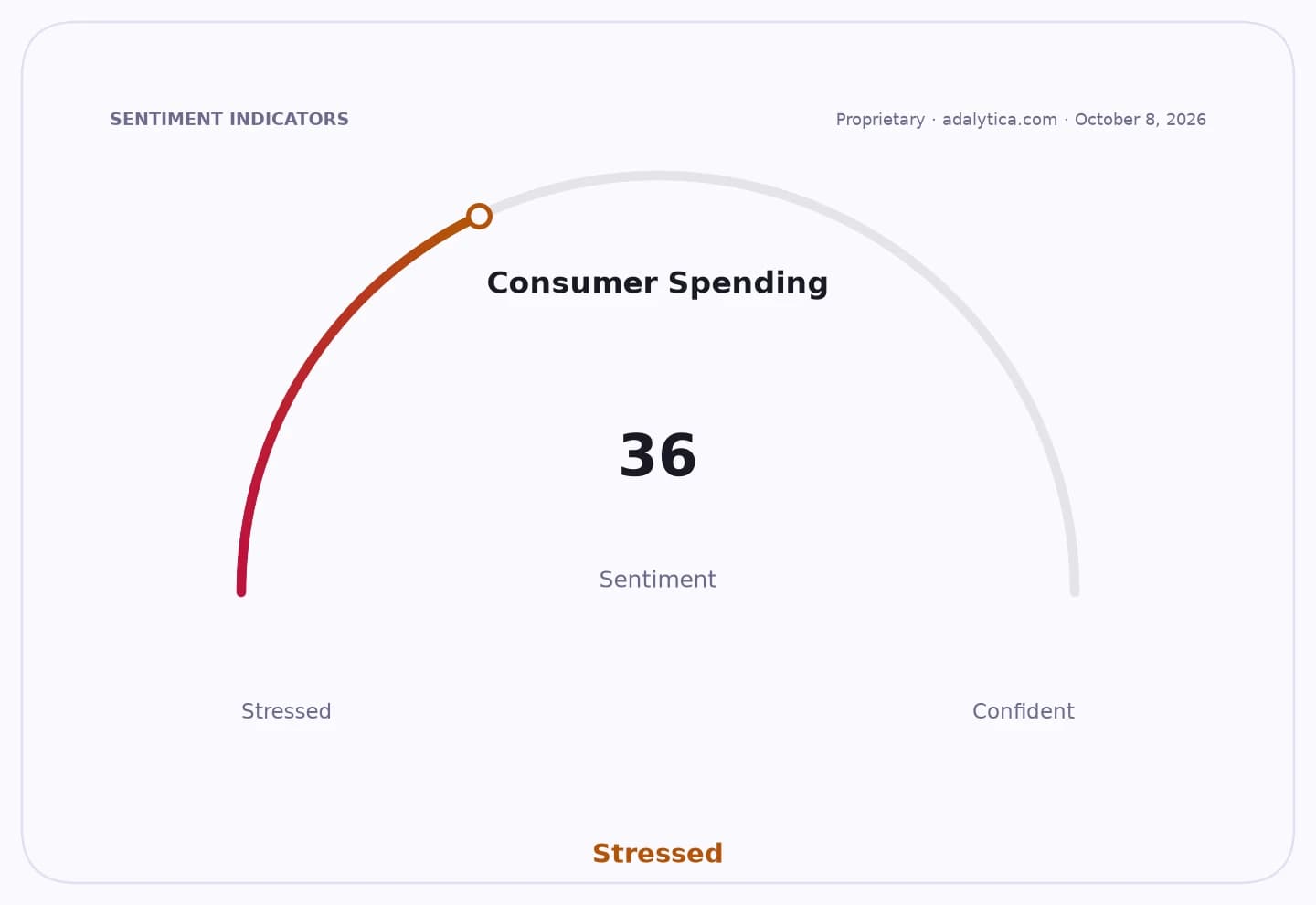
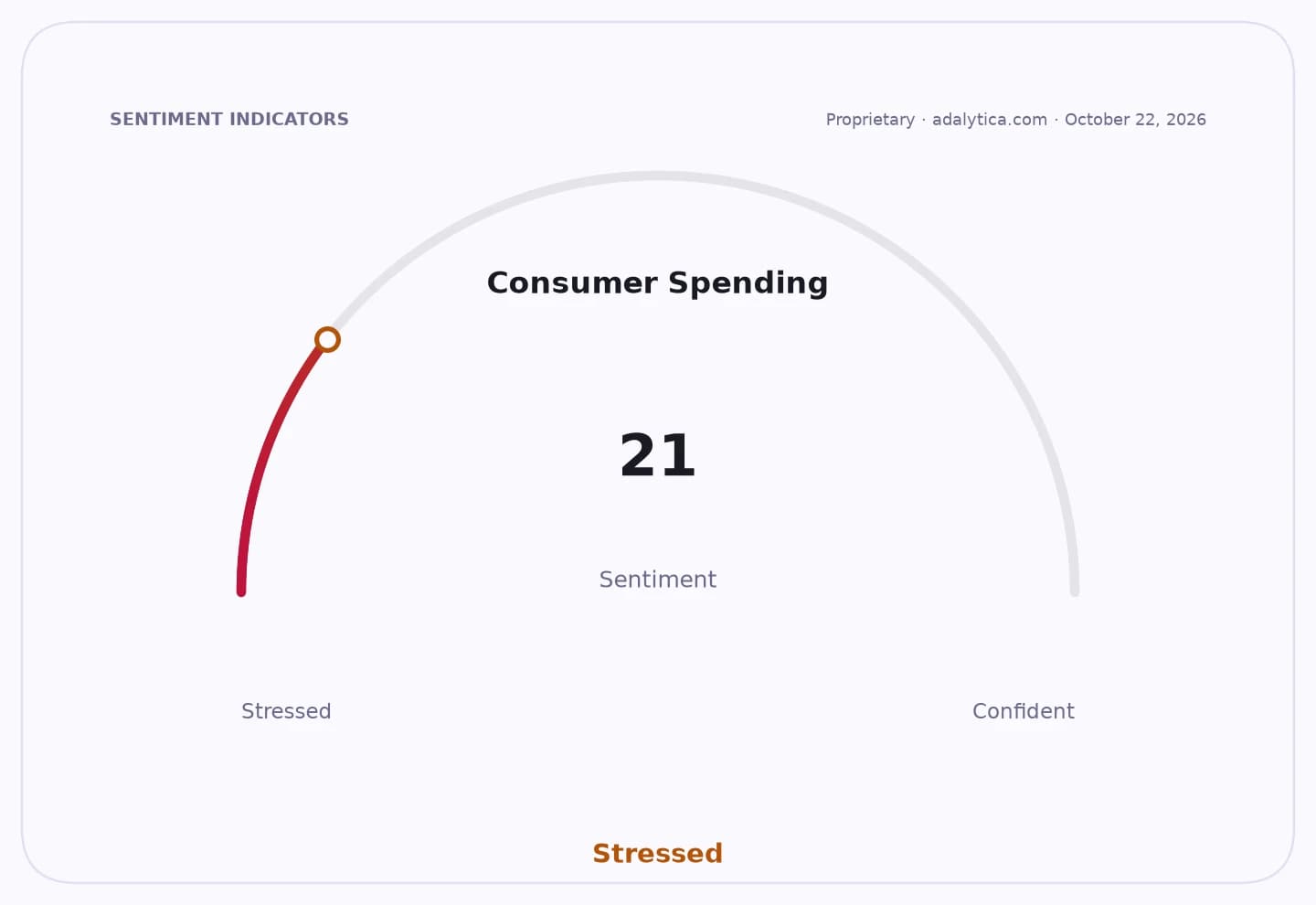
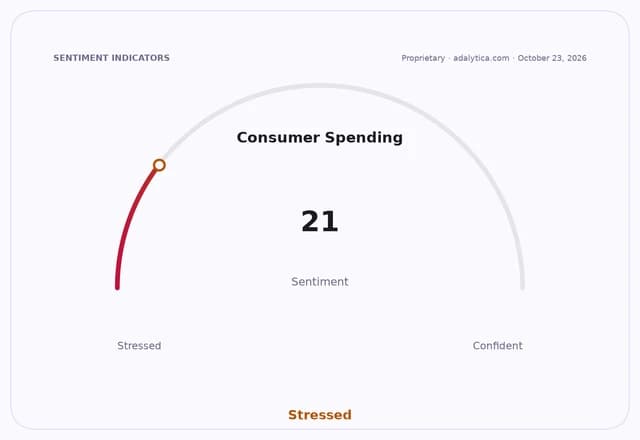
More than half of Romanian shoppers are now spending only on essentials, according to Vincent Devloo, IKEA’s area retail manager for southeast Europe, who said higher inflation and weak consumer confidence are pushing households to delay purchases such as home furnishing and new furniture. That shift matters because it hits one of the most discretionary categories in retail, where demand can quickly evaporate when real incomes are squeezed.
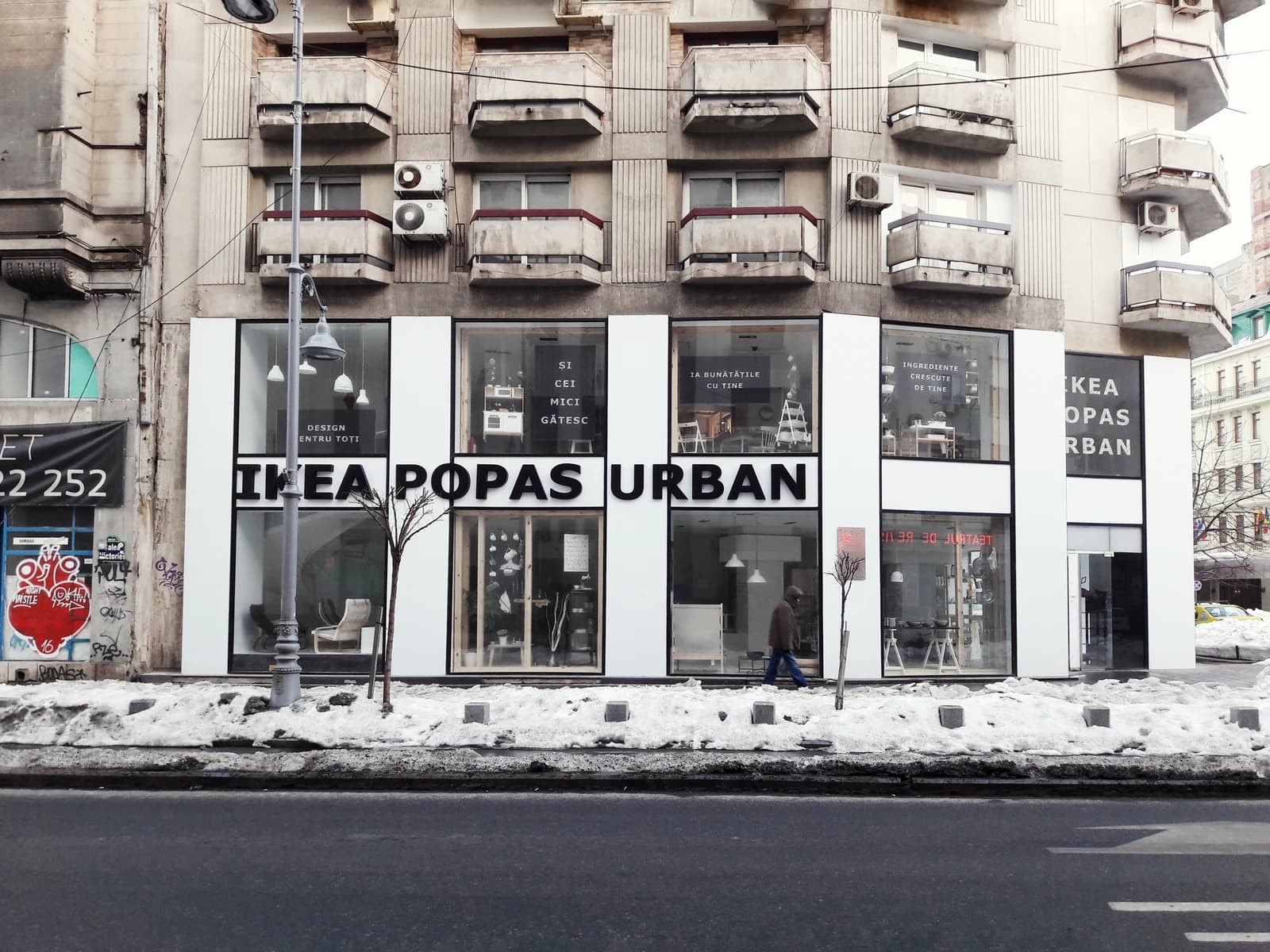
IKEA is responding by lowering prices and abandoning the idea that future growth in Romania has to come from giant warehouse-style stores. Devloo said the company’s plan to open 10 new stores will now include a mix of formats, with smaller outlets closer to customers and more products available for immediate takeaway.
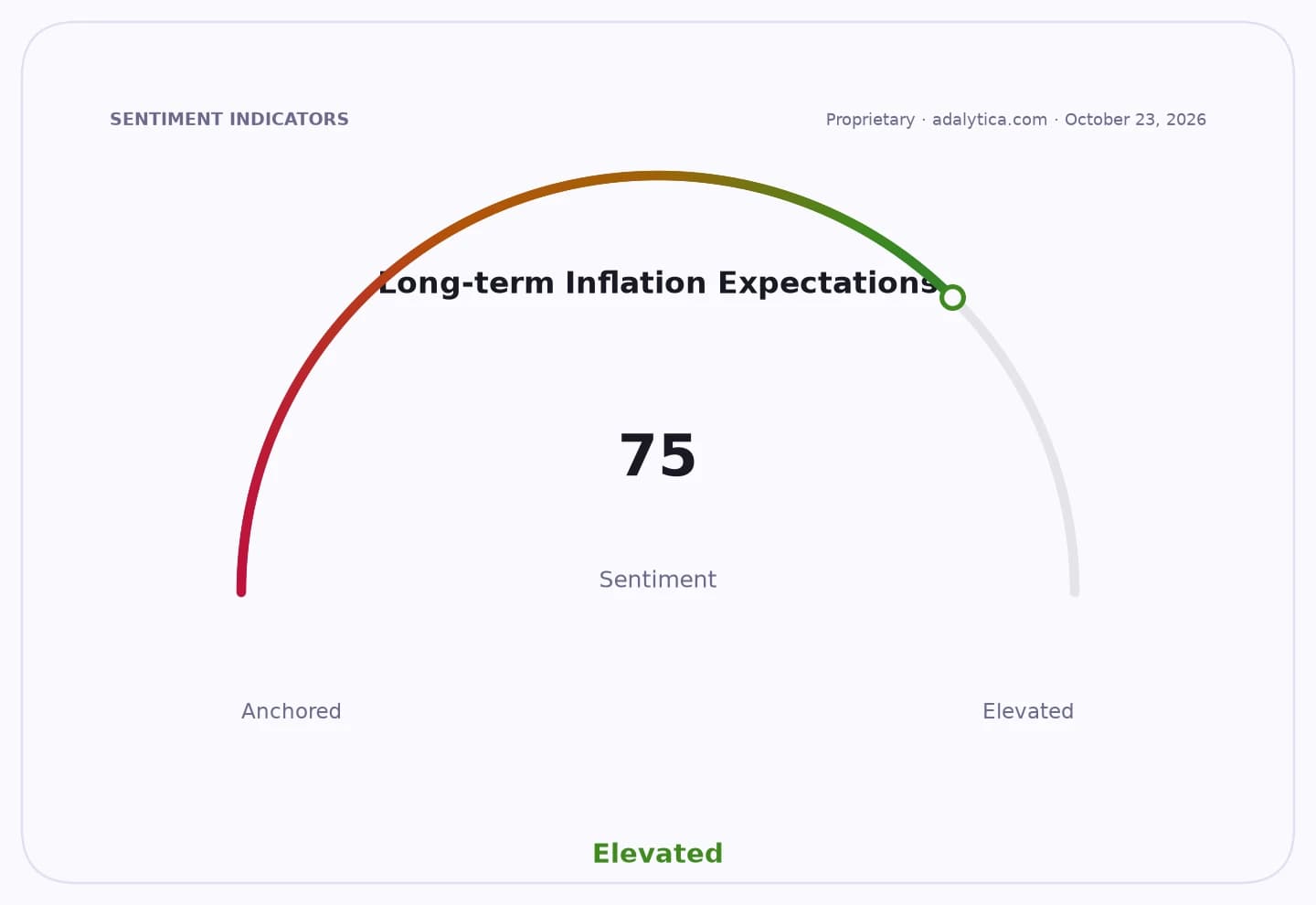
The strategy reflects a broader consumer squeeze in Romania, where inflation remains elevated and spending power is under pressure. Consumers increasingly want to leave the store with items in hand rather than wait for deliveries, a preference that favors compact urban locations and faster turnover over large destination stores built around planned, high-ticket shopping trips.
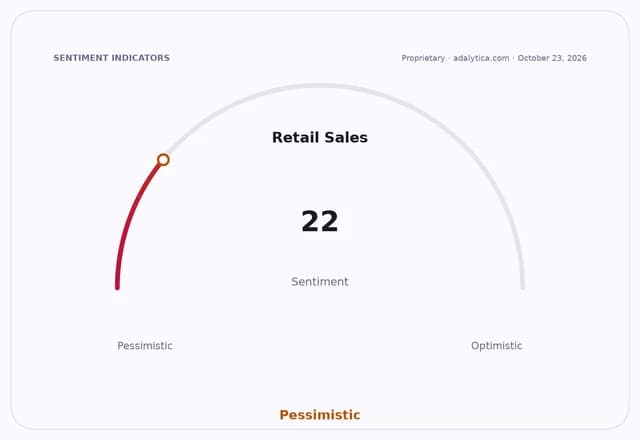
For investors, the change shows how inflation and sentiment are reshaping retail economics in central and eastern Europe. Retailers with flexible store formats, strong logistics and pricing power are better positioned than chains dependent on big-basket discretionary spending, while suppliers tied to larger-format expansion may need to adjust to slower traffic and smaller basket sizes.
The move also highlights the risk that customer demand can shrink faster than store networks can grow. If Romanian households stay focused on essentials, IKEA’s next phase of expansion will depend less on scale and more on convenience, value and speed.
| Entity | Gains | Losses |
|---|---|---|
| IKEA | ▲More flexible expansion | ▼Large-store economics |
| Romanian shoppers | ▲Lower prices, closer stores | ▼Fewer discretionary purchases |
| Smaller-format retailers | ▲Higher traffic potential | ▼Big-box rivals |
| Suppliers tied to large stores | ▲Stable volume from new openings | ▼Oversized-format demand |