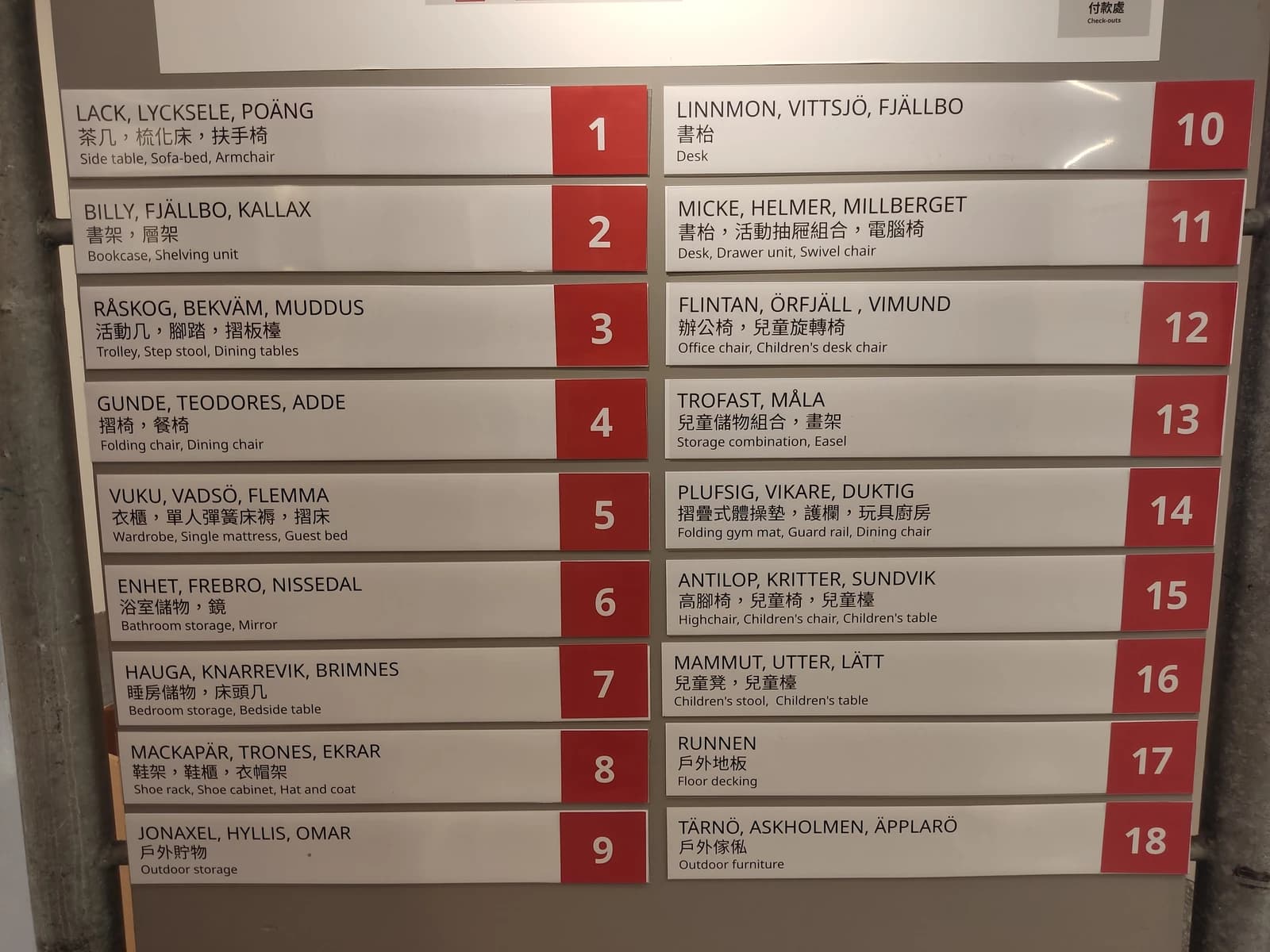
IKEA is set to lift prices on 3,700 furniture and household items in Japan, a broad repricing that underscores how the yen’s weakness and higher raw material costs are forcing global retailers to pass inflation on to consumers.
IKEA raises prices on 3,700 items in Japan
The move matters because Japan has spent years trying to shake off deflation, but imported cost pressure is now feeding directly into retail pricing. A weaker yen makes overseas sourcing more expensive, while higher input costs squeeze margins if companies absorb them instead of recharging customers.
Sentiment IndicatorsⓘProprietary · adalytica.com · August 26, 2026
This is a snapshot — live sentiment, awareness and momentum for 130+ markets update continuously in the dashboard.Open AlphaPulse
The currency backdrop remains a key part of the story. The yen has been under pressure against the dollar, with the dollar-yen rate trading around 159, and the Japanese currency ETF, FXY, hovering near 57.55, still below its 200-day moving average of 58.05. Conventional technical indicators also point to a market that has cooled after a recent rebound, with the ETF’s RSI at 42.7 and its MACD still only modestly above the signal line.
That pricing pressure is not isolated to IKEA. Across Japan’s consumer and retail sectors, import-dependent firms are facing higher landed costs for materials, freight and finished goods, especially as commodity and energy prices remain sticky. For shoppers, the immediate effect is a narrower window for bargains in a market where households have already been contending with rising living costs.
For investors, the key question is whether retailers can preserve sales volumes after taking broad price increases. Companies with stronger brand power and better supply-chain control may defend margins, while heavily imported or price-sensitive sellers risk losing traffic if consumers push back.
The decision also fits a broader macro picture in which policy rates are still well below U.S. levels, keeping the yen vulnerable and leaving imported inflation a recurring risk. The next catalyst for markets will be whether other multinationals in Japan follow IKEA’s lead, and whether a steadier yen can slow the pass-through before it spreads further through retail prices.
| Entity | Gains | Losses |
|---|---|---|
| IKEA | ▲Protects margins | ▼Risks softer demand |
| Japanese consumers | ▲— | ▼Higher household costs |
| Import-dependent retailers | ▲Some pricing cover | ▼Margin squeeze |
| Yen bulls | ▲Lower import inflation if currency stabilizes | ▼Weak-currency pressure persists |