Kristalina Georgieva’s arrival in Buenos Aires this week puts the IMF’s backing of Javier Milei’s program back at the center of Argentina’s economic story, with the clearest market question whether the government can turn austerity and energy exports into a durable funding source before confidence fades.
IMF Visit Keeps Argentina Reform Trade Alive
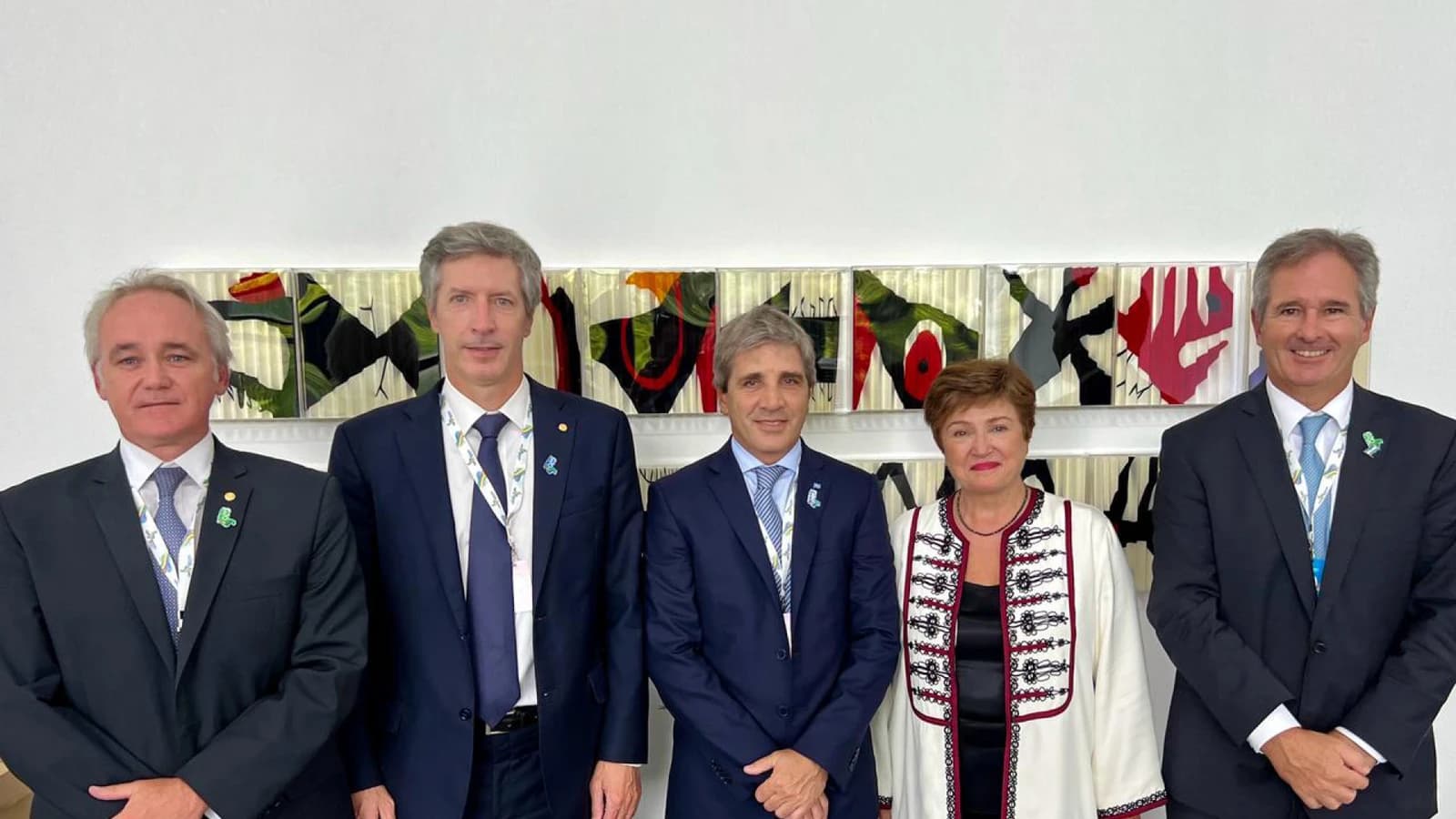
The Fund chief’s meetings with Milei, Economy Minister Luis Caputo, business leaders and a planned visit to Vaca Muerta matter because Argentina is still trying to prove that its stabilization plan can outlast the next round of political and financing pressure. For investors, the trip is less about optics than about whether the IMF is prepared to keep supporting a government that has delivered a sharp policy reset, but still faces the burden of rebuilding reserves, restoring access to capital and meeting fiscal commitments.
Sentiment IndicatorsⓘProprietary · adalytica.com · July 26, 2026
This is a snapshot — live sentiment, awareness and momentum for 130+ markets update continuously in the dashboard.Open AlphaPulse
That balance is especially important after Argentina sought an IMF waiver for missing its fiscal target, underscoring how fragile the adjustment remains even under a market-friendly administration. The waiver request is a reminder that the country’s progress has been uneven: fiscal consolidation has improved the headline policy framework, but it has not yet eliminated the need for repeated negotiations with official lenders. In that setting, Georgieva’s presence effectively serves as a signal test for the credibility of Milei’s reforms and for the IMF’s willingness to keep Argentina anchored inside a program rather than on the brink of another crisis.
The Vaca Muerta stop adds a second, more structural layer to the story. Argentina’s shale basin is one of the few domestic assets with the scale to generate export earnings, attract foreign capital and reduce dependence on external financing over time. That matters economically because the country’s chronic balance-of-payments problem has always been as much about dollar scarcity as about inflation. A stronger energy trade balance could help rebuild reserves, support the currency and make fiscal adjustment more sustainable by broadening the base of hard-currency inflows.
For equity investors, that is why Argentine energy names remain central to the trade. YPF has climbed to $51.40 from levels near $33 last year, while its 50-day moving average sits above the 200-day moving average, a sign the stock has regained intermediate-term momentum. The relative strength index near 70 points to a strong trend, although it also suggests the shares are no longer cheap on a short-term technical basis. Pampa Energia has also held above both its 50-day and 200-day averages, reflecting continued confidence that the sector will benefit if policy stability translates into investment, pipeline buildout and export growth.
Banks and broader Argentine risk assets are more sensitive to the IMF angle. Grupo Financiero Galicia has retreated from recent highs and is trading closer to its 50-day average, a sign investors remain willing to buy the reform story but are not yet pricing a straight line lower for macro risk. The wider read-through is that Argentine financials can outperform only if the government’s fiscal program, IMF support and foreign-exchange regime remain aligned long enough to reduce default and devaluation risk.
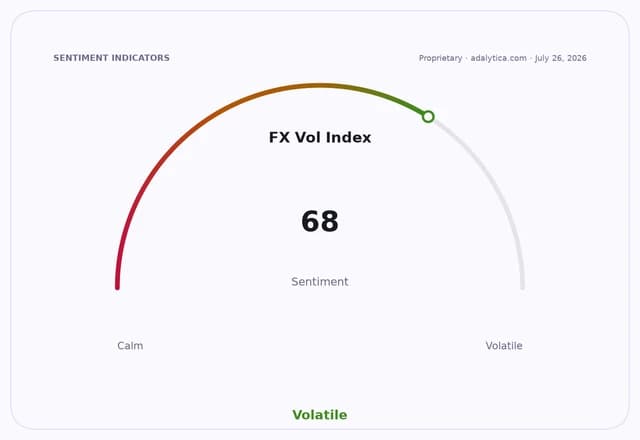
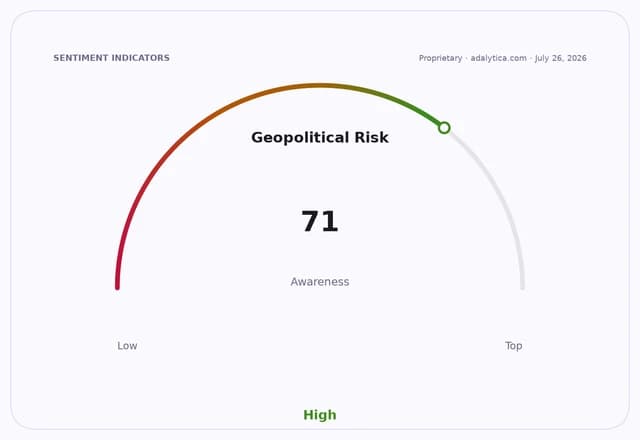
The global backdrop is more supportive than it was during earlier Argentine adjustment cycles. U.S. Treasury yields are relatively elevated, with the 10-year near 4.7% and the 2-year around 4.4%, keeping global financing conditions tighter than in the post-pandemic period. That means countries that rely on external funding have less room for policy slippage, which makes the IMF’s role in Argentina more consequential. At the same time, market gauges of global-stability risk and FX volatility point to a nervous but not yet stressed environment, leaving room for country-specific catalysts to move asset prices sharply.
The bull case is straightforward: if Milei sustains fiscal discipline, the IMF keeps Argentina engaged and Vaca Muerta begins delivering more export dollars, the country’s sovereign and equity risk premium could keep narrowing. The bear case is just as clear: if fiscal slippage, reserve weakness or political resistance forces another renegotiation, the reform narrative could lose momentum quickly, especially with local asset valuations already having re-rated. Georgieva’s visit will not solve those tensions, but it will show whether Argentina is still being treated as a reform story with an IMF backstop, or as a recurring exception to the Fund’s rulebook.
| Entity | Gains | Losses |
|---|---|---|
| Milei government | ▲IMF validation | ▼Policy slippage scrutiny |
| IMF | ▲Reform credibility | ▼Exposure to Argentina risk |
| YPF and energy exporters | ▲Vaca Muerta investment case | ▼Dependence on policy stability |
| Local banks and equities | ▲Lower default odds | ▼Slower reserve recovery |