India-focused U.S.-listed shares are drawing fresh buying as traders position for a possible shift in Washington after the 2026 midterm elections, with investors betting a political reset could ease visa pressure and support Indian outsourcing and tech services.
INDA Rises as Investors Watch U.S. Visa Policy

The iShares MSCI India ETF, ticker INDA, climbed to $50.96 on Nov. 6, up 1.9% on the day and near its 2026 high, while volume remained elevated at 6.0 million shares. The fund has rebounded sharply from an Oct. 8 low of $45.56, reflecting renewed demand for India exposure even as the broader theme remains tied to U.S. policy risk.
Sentiment Indicators
The move matters because visa restrictions are not just a diplomatic issue for India’s services sector; they directly affect hiring flexibility, project delivery and margins at companies that sell labor-intensive technology and consulting work into the U.S. market. Any easing in visa rules after a political turnover in Washington would be a relief for Indian firms and could widen the gap between Indian service exporters and their U.S.-based competitors.
That is why the market is watching the U.S. political calendar as closely as earnings. Indian IT and consulting groups depend heavily on U.S. client spending, and recent company filings from peers such as Accenture and EPAM show the Americas remain a core revenue engine, underscoring how sensitive the sector is to changes in cross-border labor access.
US Dollar vs INDAadalytica.com
Explore this data interactively — full history, time series and cross-market comparisons.
Technical indicators also show momentum improving. INDA is above its 50-day moving average of 47.87 and just over its 200-day average of 49.11, while the relative strength index at 77.8 points to stretched but still forceful buying. The MACD has turned positive, suggesting the recent rebound has more than just short covering behind it.
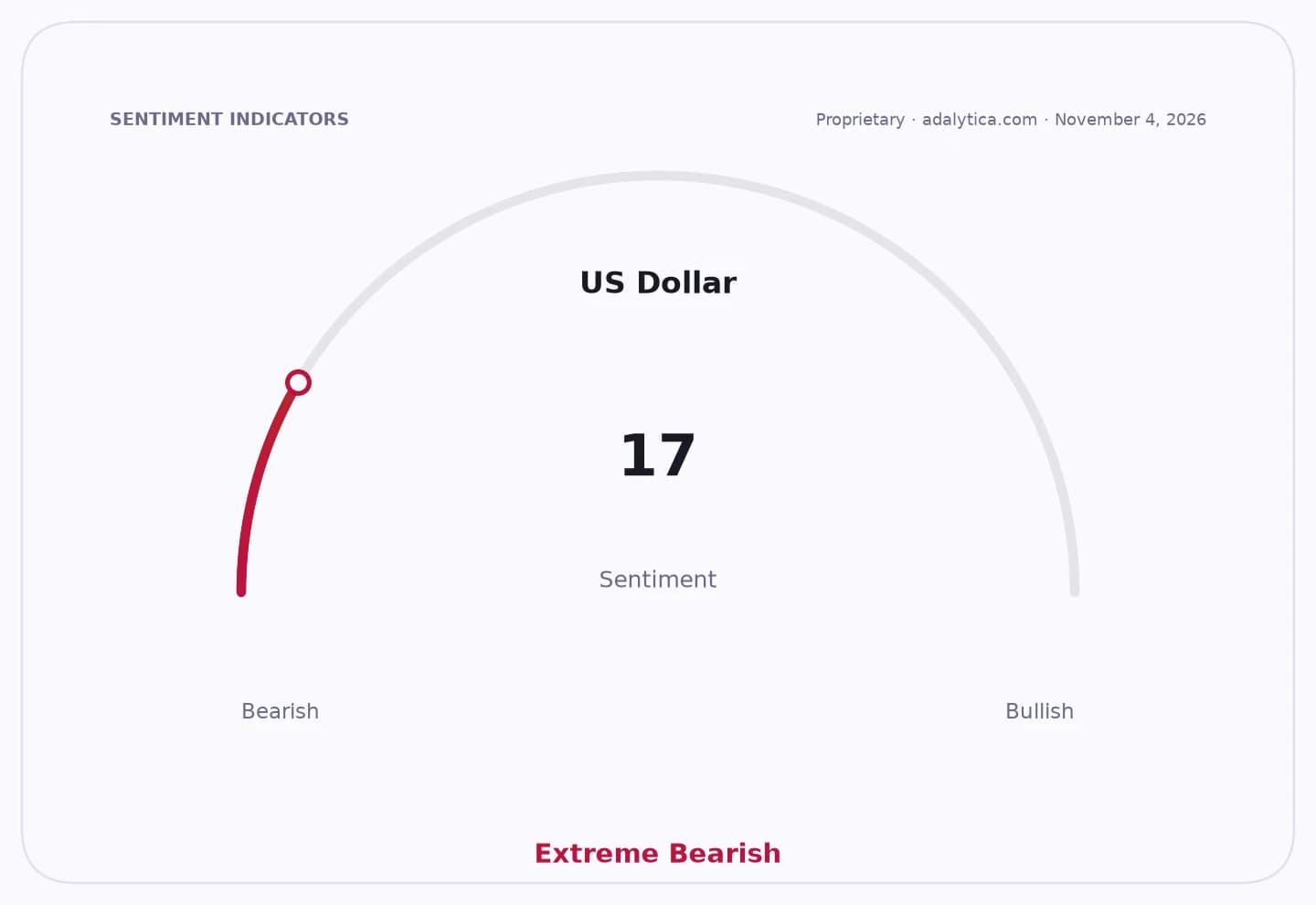
The currency backdrop adds another layer. The U.S. dollar has been under severe stress in Adalytica’s trade signals, while the Chinese yuan shows rising fear and the S&P 500 remains in neutral territory, a mix that keeps emerging-market allocation in focus and supports selective flows into India.
For investors, the immediate question is whether the election narrative turns into concrete policy. If U.S. visa rules remain tight, India-linked outsourcing names could face another period of margin pressure; if restrictions ease, INDA and Indian service exporters stand to benefit first.
| Entity | Gains | Losses |
|---|---|---|
| INDA / India equities | ▲Higher foreign inflows | ▼Election-policy uncertainty |
| Indian IT services firms | ▲Easier U.S. staffing access | ▼Visa restrictions |
| U.S. protectionist lawmakers | ▲Stronger labor controls | ▼Immigration-policy rollback |
| U.S. clients using offshore delivery | ▲Better talent access | ▼Higher wage and hiring friction |