India’s retail inflation is set to accelerate for a second straight month in August, a move that matters because it could complicate the Reserve Bank of India’s room to keep policy supportive even as growth remains resilient.
India August Inflation Seen Rising to 4.88%
Union Bank of India expects headline consumer price inflation to rise to 4.88% from 4.44% in July, its highest reading in the 23-24 series, with food and fuel doing most of the damage. That would keep inflation above the RBI’s medium-term 4% target and reinforce the argument that disinflation has stalled for now rather than resumed in a straight line.
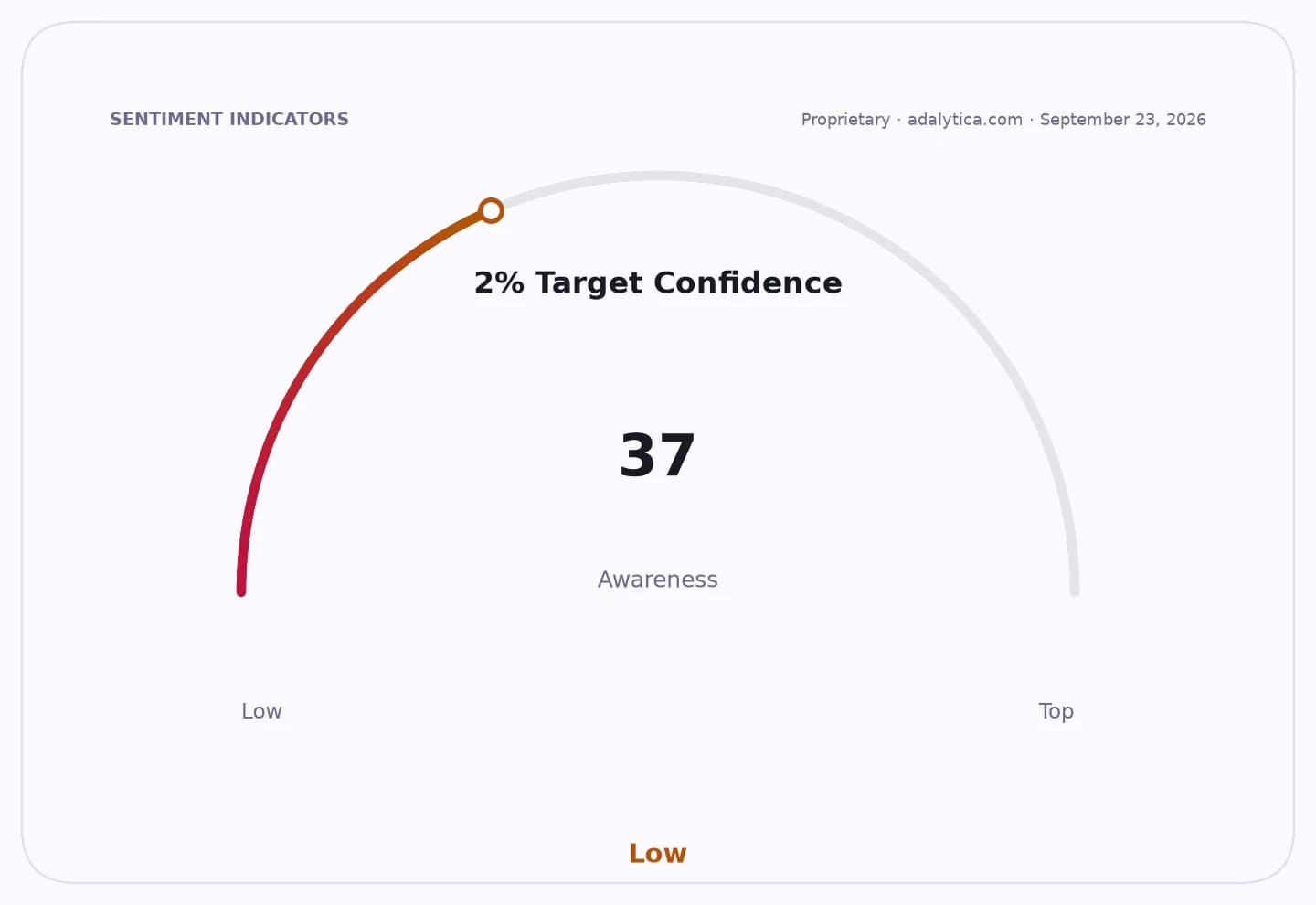
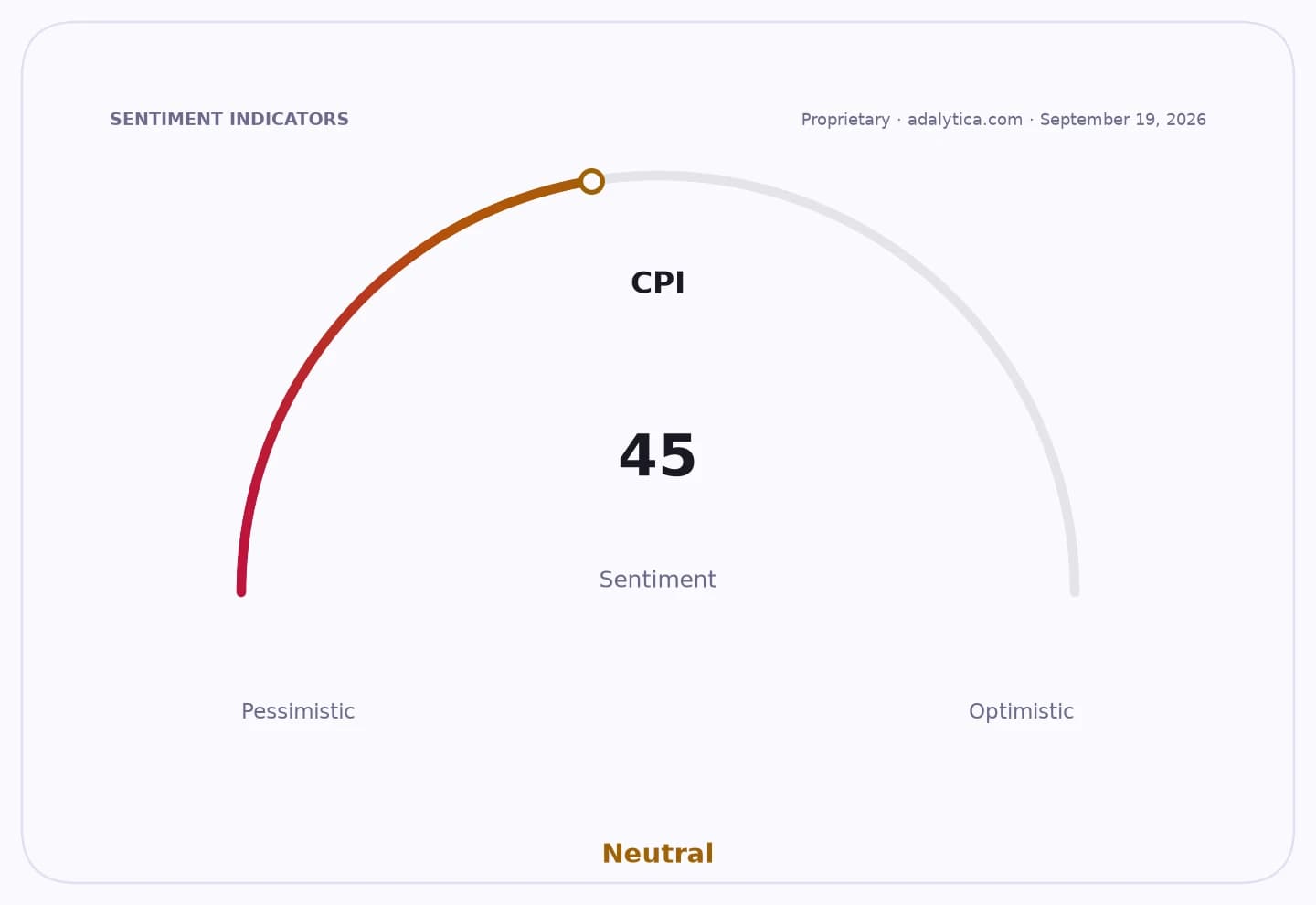
Sentiment IndicatorsⓘProprietary · adalytica.com · September 6, 2026
This is a snapshot — live sentiment, awareness and momentum for 130+ markets update continuously in the dashboard.Open AlphaPulse
The bigger economic issue is not just the headline number, but the composition beneath it. Food inflation is projected to quicken to 6.03% from 5.24%, even as vegetable inflation is seen easing sharply to 0.39% year-on-year. The pressure is broadening elsewhere, with sugar inflation forecast to jump 11.53% month-on-month after an estimated 15% rise in retail sugar prices during the month, while cereals and pulses remain firm on tight domestic supplies. Milk prices are also expected to strengthen after retail increases in several states.
That mix is more troubling for policymakers than a temporary spike in one volatile category. Union Bank sees CPI excluding vegetables rising to 5.11%, while core inflation is likely to edge up to 4.30% from 4.15% and core inflation excluding precious metals and auto fuels to 2.70%. Those figures suggest price pressure is not confined to a single food basket item and may be seeping more deeply into the consumption basket.
Fuel is adding to the problem. The report points to a further rise in fuel inflation at a time when global crude prices remain a live risk for India’s import bill, the current account and household purchasing power. Brent and WTI have been volatile, and any sustained oil rebound would filter through transport and logistics costs, making it harder for inflation to retreat quickly in coming months.
For investors, the implication is that rate-cut expectations may need to stay modest. A hotter August print would reduce the odds of near-term policy easing and could keep bond yields sticky, particularly if the RBI decides it must remain alert to imported inflation and food-driven volatility. Equities in rate-sensitive sectors would also be vulnerable if markets start to price in a longer period of restrictive policy.
At the same time, the numbers do not yet point to a classic demand-led inflation spiral. The expected rise is still being driven mainly by supply-side food and fuel pressures, not a broad wage-price breakout. That limits the case for aggressive tightening, and helps explain why the RBI has continued to describe growth and inflation as relatively stable despite external shocks.
The near-term focus now shifts to the official August inflation release and to whether the food basket starts to cool after the current spike. If vegetable prices keep easing and fuel stabilizes, inflation could settle back lower into the autumn. But if cereals, pulses, milk and sugar stay elevated while oil rises again, the RBI may have to tolerate slower progress back toward target — a backdrop that would support defensive positioning in rates and consumer-sensitive Indian assets.
| Entity | Gains | Losses |
|---|---|---|
| Food producers | ▲Higher realizations | ▼Consumers’ purchasing power |
| Fuel suppliers | ▲Stronger pricing power | ▼Inflation-targeting policymakers |
| Reserve Bank of India | ▲Less pressure to ease rates quickly | ▼Room to support growth |
| Bond investors | ▲— | ▼Higher-yield, longer-duration exposure |