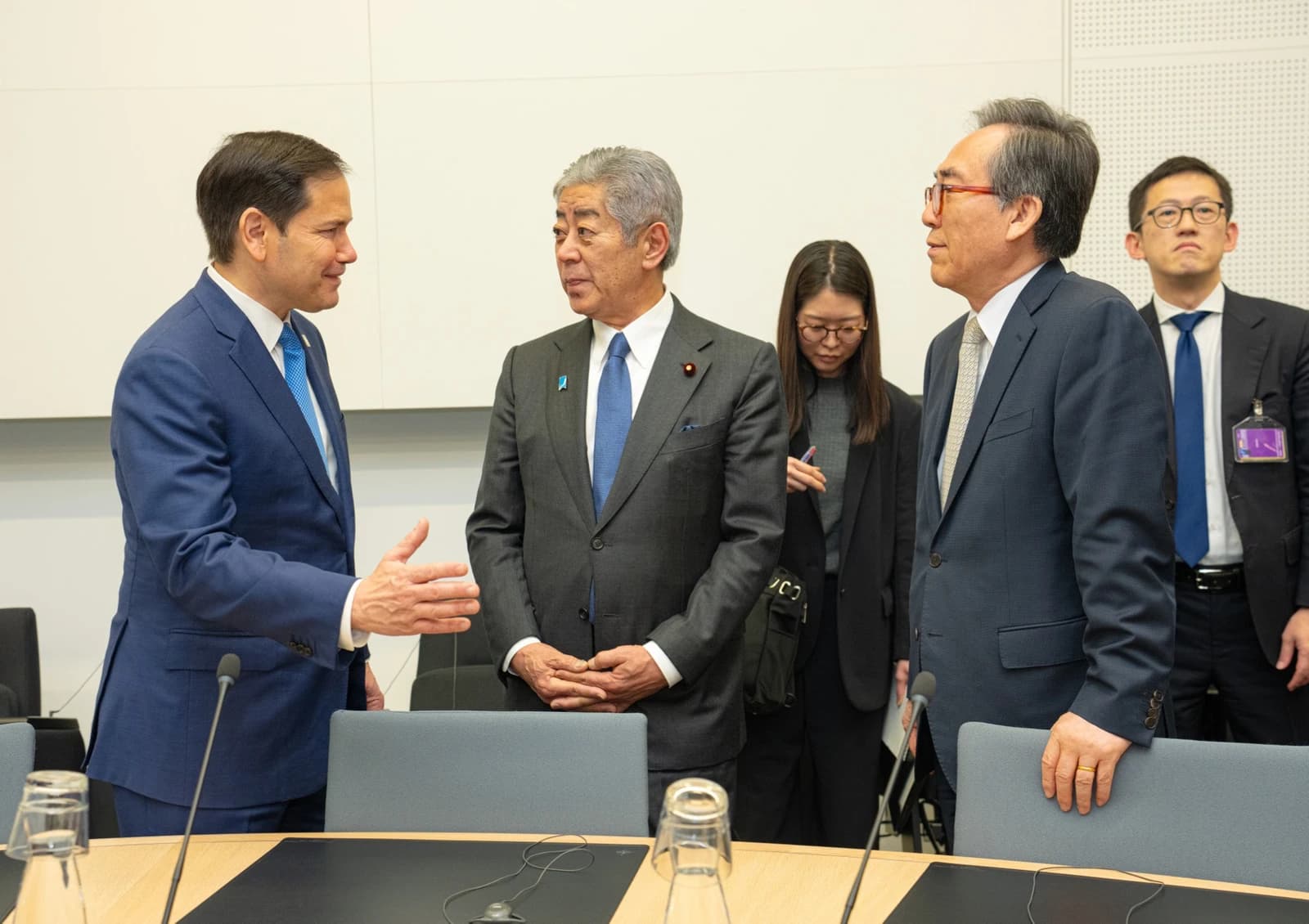
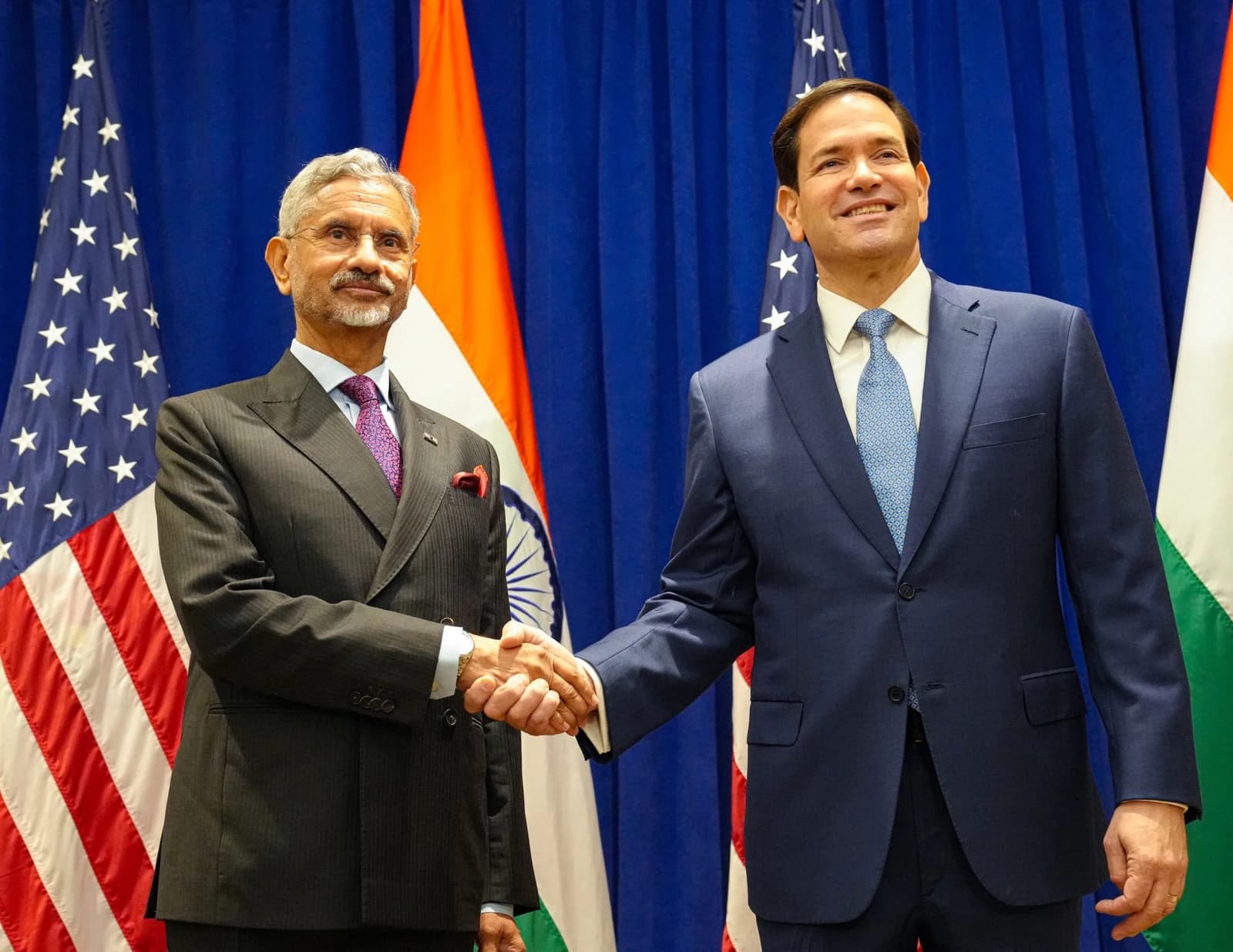
India and China are set to hold their first Corps Commander-level talks in Arunachal Pradesh on Sunday, a modest but meaningful step in efforts to lower the risk of escalation along a border that has repeatedly threatened regional stability and investor sentiment.
India, China hold Corps Commander talks in Arunachal
The meeting at the Wacha-Damai border point marks the first such military dialogue hosted in Arunachal, widening a communication channel that had previously centered on the Ladakh sector after the 2020 Galwan Valley clashes. That matters because the eastern sector remains one of the most sensitive parts of the disputed Line of Actual Control, where the two armies hold sharply different views of the frontier and where even routine patrol activity can trigger friction.

For New Delhi, the talks are part of a broader effort to keep the boundary issue contained while preserving room for engagement with Beijing. The meeting follows National Security Adviser Ajit Doval’s trip to China and subsequent announcements of steps to maintain “peace and tranquillity” along the LAC. Former chief of defence staff General Anil Chauhan called greater military communication a “welcome development,” but stressed that the boundary dispute remains unresolved and that infrastructure buildout and forward deployments still create escalation risk.
That is the economic significance: any durable reduction in border tension lowers the probability of a security shock between two of Asia’s largest economies, both of which are essential to regional trade, supply chains and capital allocation. A firmer communication architecture — including Corps Commander-level talks and the possibility of hotlines — can reduce the odds that a local incident becomes a market-wide geopolitical event.
For investors, the immediate relevance is not a direct trade in the talks themselves but a marginal improvement in the risk backdrop for India-linked and China-linked assets. India-focused exchange-traded fund INDA was trading at $49.91 on its latest reading, below its 200-day average of $50.44 but slightly above the 50-day average of $49.43, suggesting a market still waiting for clearer direction. China-focused FXI closed at $35.88, also below its 200-day average of $36.47 but above its 50-day average of $34.76. Those levels point to cautious positioning rather than a conviction rally, leaving both markets sensitive to any sign that border tensions are easing.
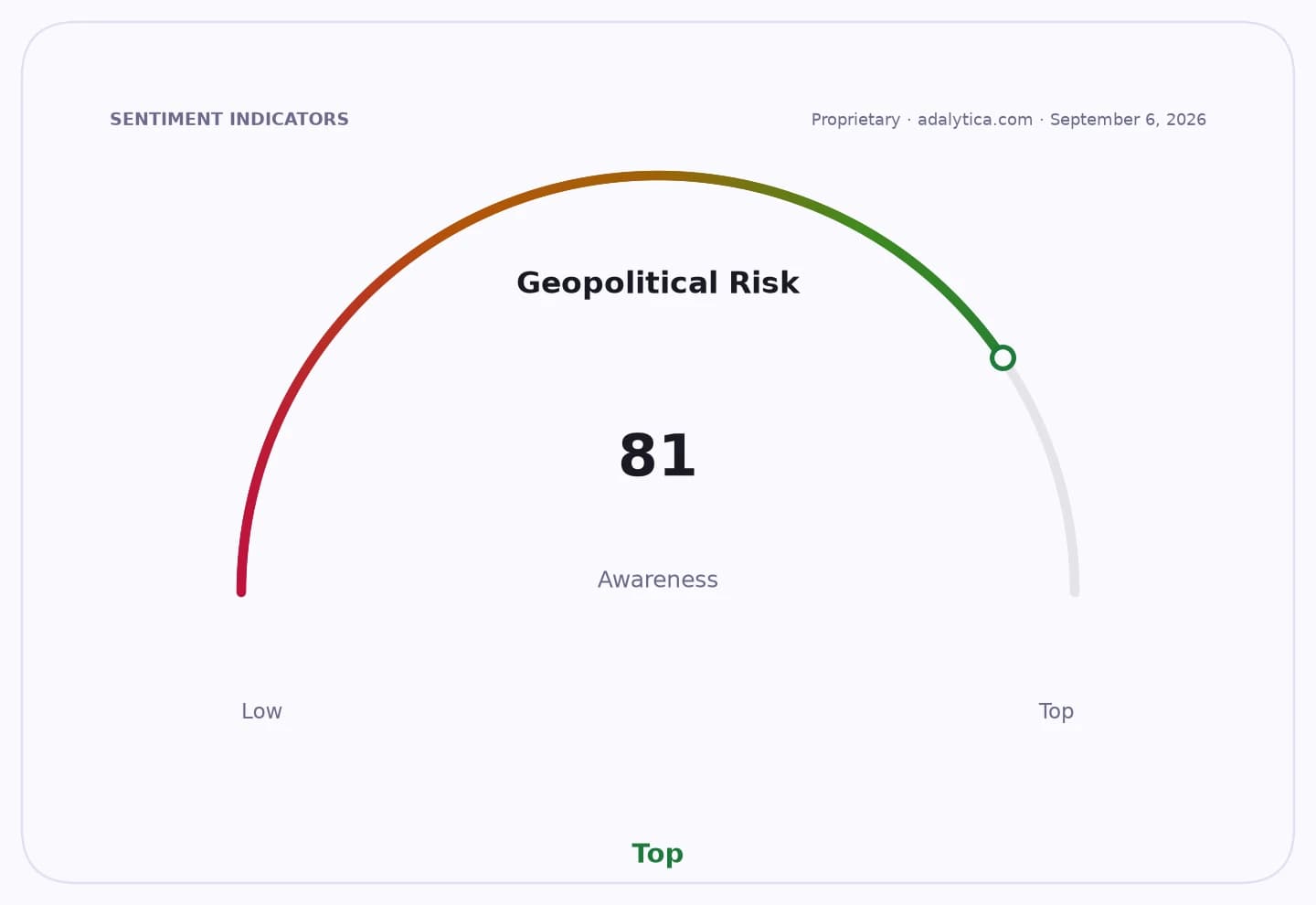
The broader market message is that geopolitical risk in the Himalayas remains a live variable, not a solved problem. Adalytica’s Global Stability Sentiment gauge shows fear at 30, down sharply from the prior day, while its China CCP Policy Direction Sentiment sits at 4, an extreme-fear reading. That underscores how quickly sentiment can deteriorate when military, diplomatic and territorial issues intersect. Still, the fact that both armies are talking again in Arunachal suggests the two sides are trying to prevent the border from becoming the dominant constraint on an otherwise complicated relationship.
For now, the bullish case is that more regular military contact reduces miscalculation and supports a fragile thaw. The bearish case is that without a mutually accepted definition of the LAC, tactical calm can still give way to sudden confrontation. Investors will be watching whether Sunday’s meeting produces practical de-escalation measures — and whether the new dialogue channel survives the next border incident.
| Entity | Gains | Losses |
|---|---|---|
| India | ▲Lower escalation risk | ▼Pressure to compromise |
| China | ▲More diplomatic space | ▼Tactical military flexibility |
| INDA investors | ▲Better risk backdrop | ▼Faster relief priced in |
| FXI investors | ▲Reduced border shock risk | ▼Renewed tension premium |