Malaysia is signaling that ASEAN still has a window to contain South China Sea tensions through diplomacy, even as a new collision between Chinese and Philippine vessels underscores how quickly the dispute can spill into markets and regional security.
Malaysia Backs South China Sea Diplomacy

The message from Kuala Lumpur matters because the South China Sea is not just a sovereignty dispute; it is a corridor for roughly a third of global shipping and a barometer of how far China’s maritime claims can be pushed without triggering a wider diplomatic and economic response from Southeast Asia and its partners. Malaysia’s insistence on dialogue, international law and a binding code of conduct highlights ASEAN’s preference for de-escalation at a time when the risk of miscalculation is rising.
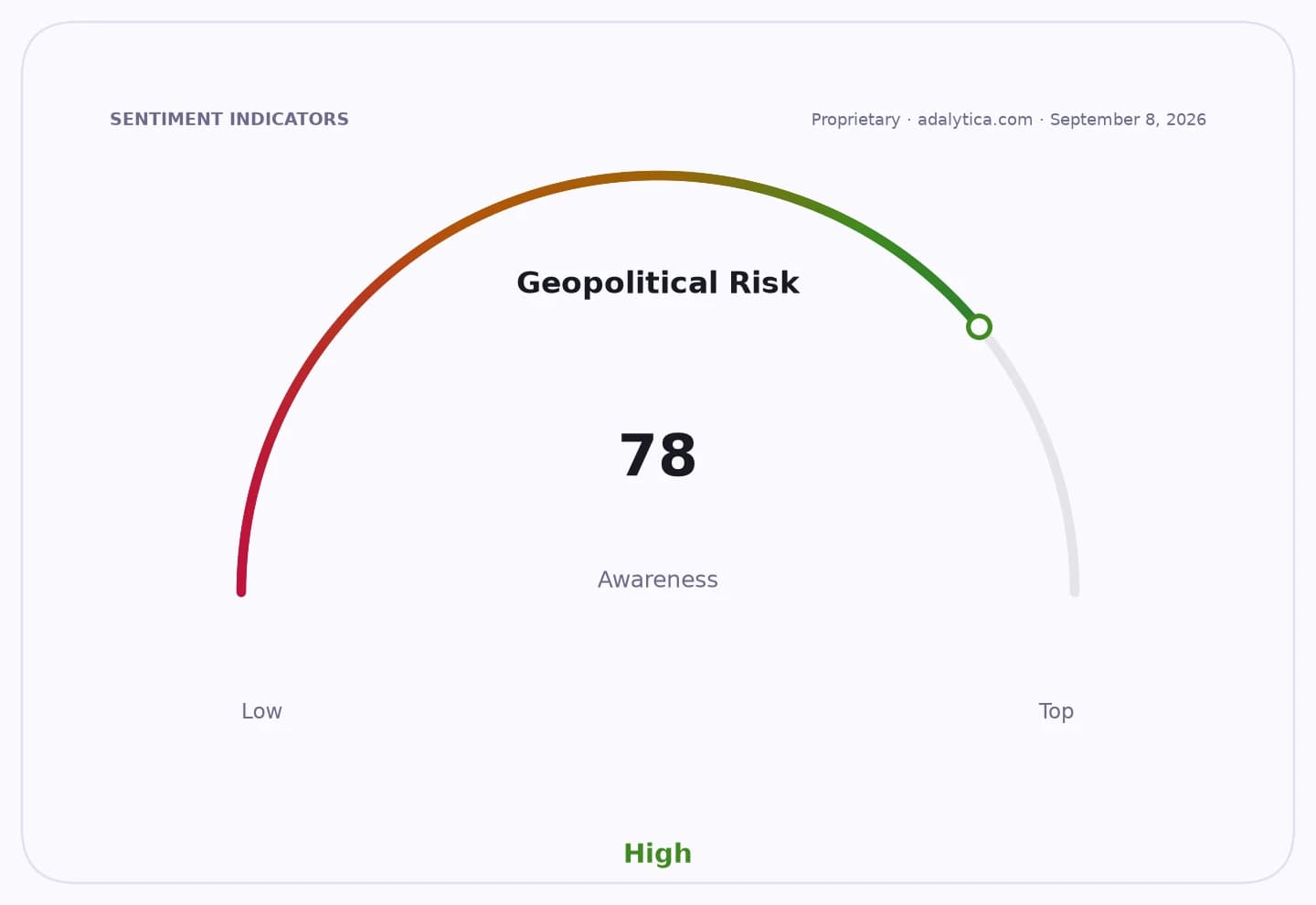
Sentiment IndicatorsⓘProprietary · adalytica.com · September 19, 2026
This is a snapshot — live sentiment, awareness and momentum for 130+ markets update continuously in the dashboard.Open AlphaPulse

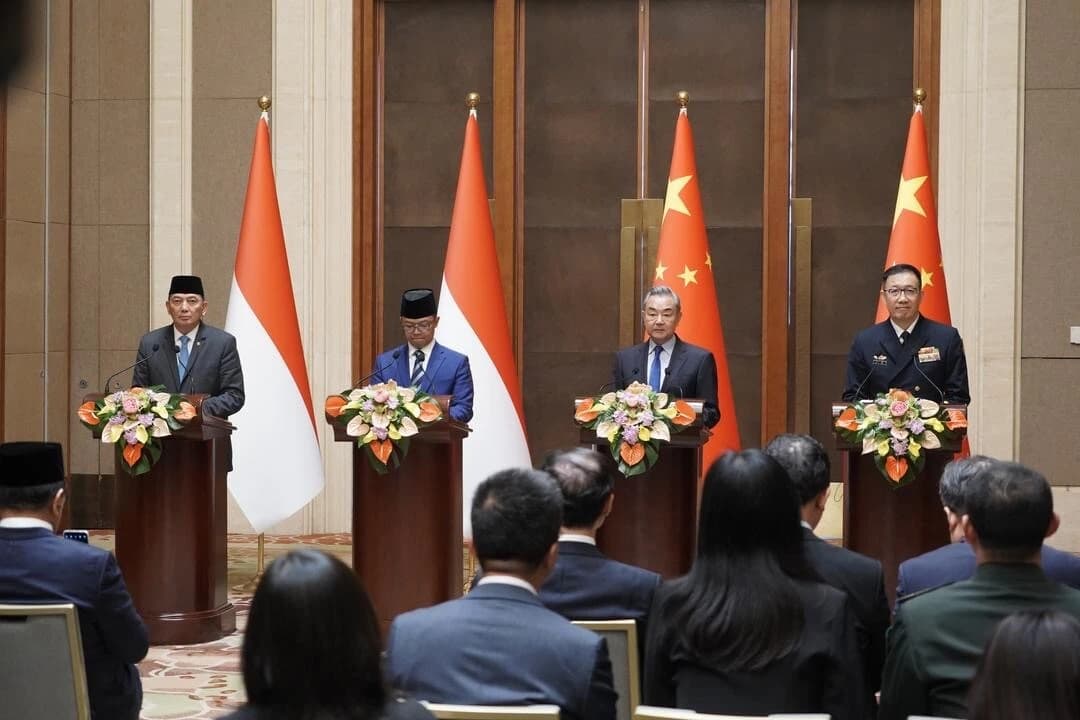
At the Beijing Xiangshan Forum, Malaysian Deputy Defense Minister Adly Zahari said Kuala Lumpur supports “peaceful and constructive” management of differences through diplomatic channels and under UNCLOS 1982, while also backing efforts to make the South China Sea Code of Conduct effective. That language is carefully calibrated: Malaysia wants to preserve its own claims and deterrence posture without pushing the dispute into open confrontation with Beijing.
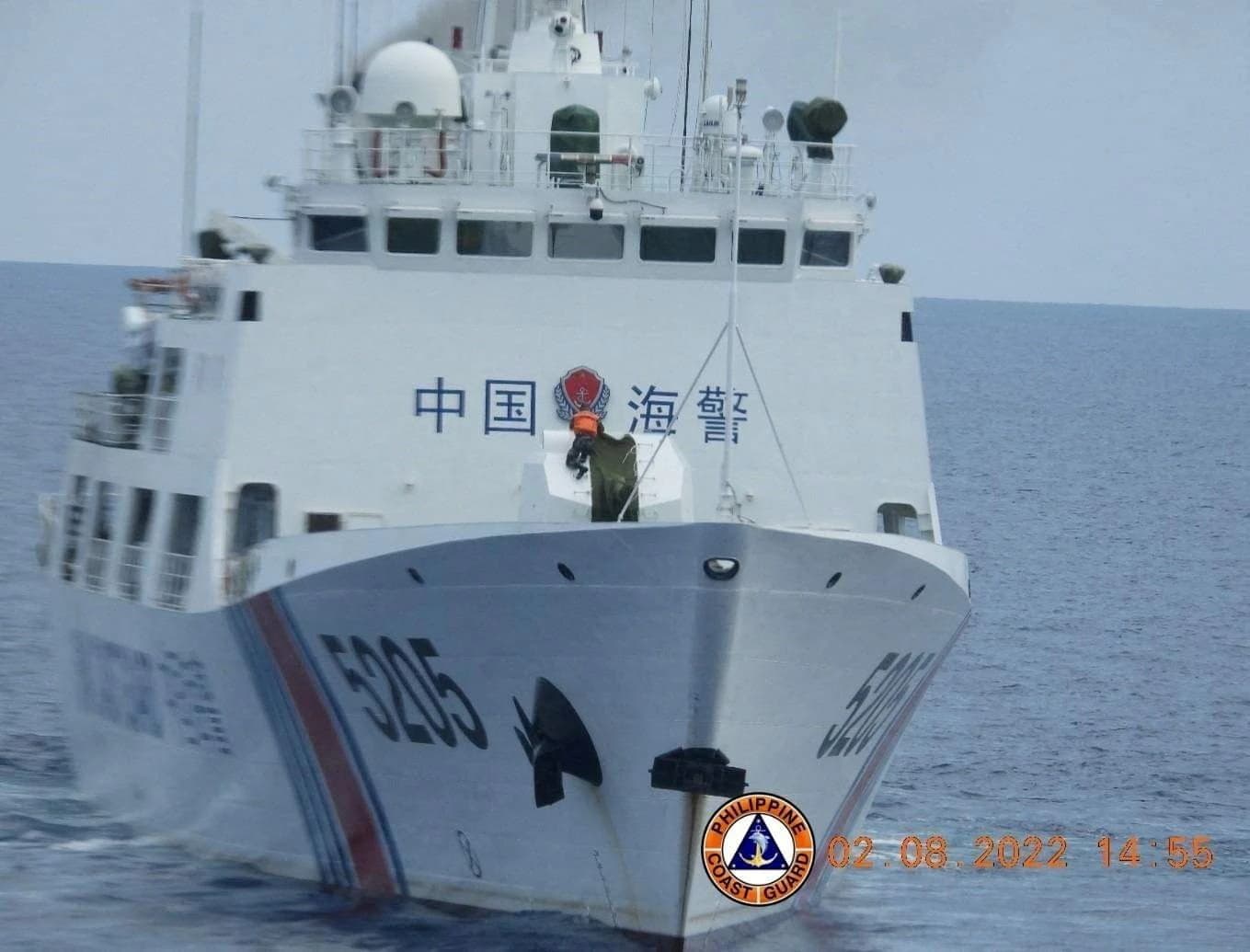
The timing is significant. The latest clash between a Chinese coast guard ship and a Philippine government vessel has reinforced the view that the South China Sea remains ASEAN’s most combustible security issue. The Philippines, which holds the bloc’s rotating chair in 2026, is pressing for faster progress on the Code of Conduct, but negotiations have dragged for years and remain short of a binding framework. Malaysia’s public support for diplomacy suggests some ASEAN states still believe incremental engagement is preferable to a hardening bloc-versus-China split.
For investors, the immediate market relevance is less about direct trade flows than about risk pricing. A more volatile South China Sea raises the odds of episodic disruption to shipping, higher insurance costs and renewed geopolitical premiums across Southeast Asian assets. It also matters for China-exposed regional equities and exchange-traded funds such as FXI, which remain sensitive to any deterioration in China’s external relations, while Malaysia’s own equity and currency markets are more likely to benefit if diplomatic channels keep the dispute contained.
That tension is visible in broader risk gauges as well. Adalytica’s Global Stability Sentiment remains in fear territory, while its US–China Relations Sentiment has weakened sharply over the past month, reflecting how quickly maritime incidents can spill into wider geopolitical risk. The market implication is not an immediate shock, but a persistent overhang: each confrontation raises the probability of sanctions talk, defense spending, and softer risk appetite in Asia.
Technically, the China-focused FXI has been trading below its 50-day and 200-day moving averages, while the Hong Kong ETF EWH has held closer to its 50-day and 200-day averages, suggesting investors are still differentiating between mainland China risk and broader regional exposure. Singapore’s EWS has also stayed comparatively firmer, consistent with its role as a regional safe haven and logistics hub that benefits when investors favor stability over confrontation.
Malaysia’s statement therefore matters less as a standalone diplomatic line than as part of a wider effort to keep ASEAN relevant in a dispute increasingly shaped by great-power rivalry. The next test is whether the bloc can turn repeated calls for restraint into a credible code of conduct that reduces the chance of another collision becoming a broader crisis.
| Entity | Gains | Losses |
|---|---|---|
| Malaysia | ▲Diplomatic flexibility | ▼Pressure to harden stance |
| ASEAN | ▲Centrality and relevance | ▼Unity if talks stall |
| China | ▲Time in negotiations | ▼Regional trust |
| Philippines | ▲Support for faster COC talks | ▼Exposure to maritime incidents |