India’s Home Ministry has decided to reduce the number of main visa categories from 13 to nine, a move that could make the country easier to enter for business travelers, tourists, students and foreign workers while trimming bureaucracy that has long slowed applications.
India cuts visa categories to speed entry
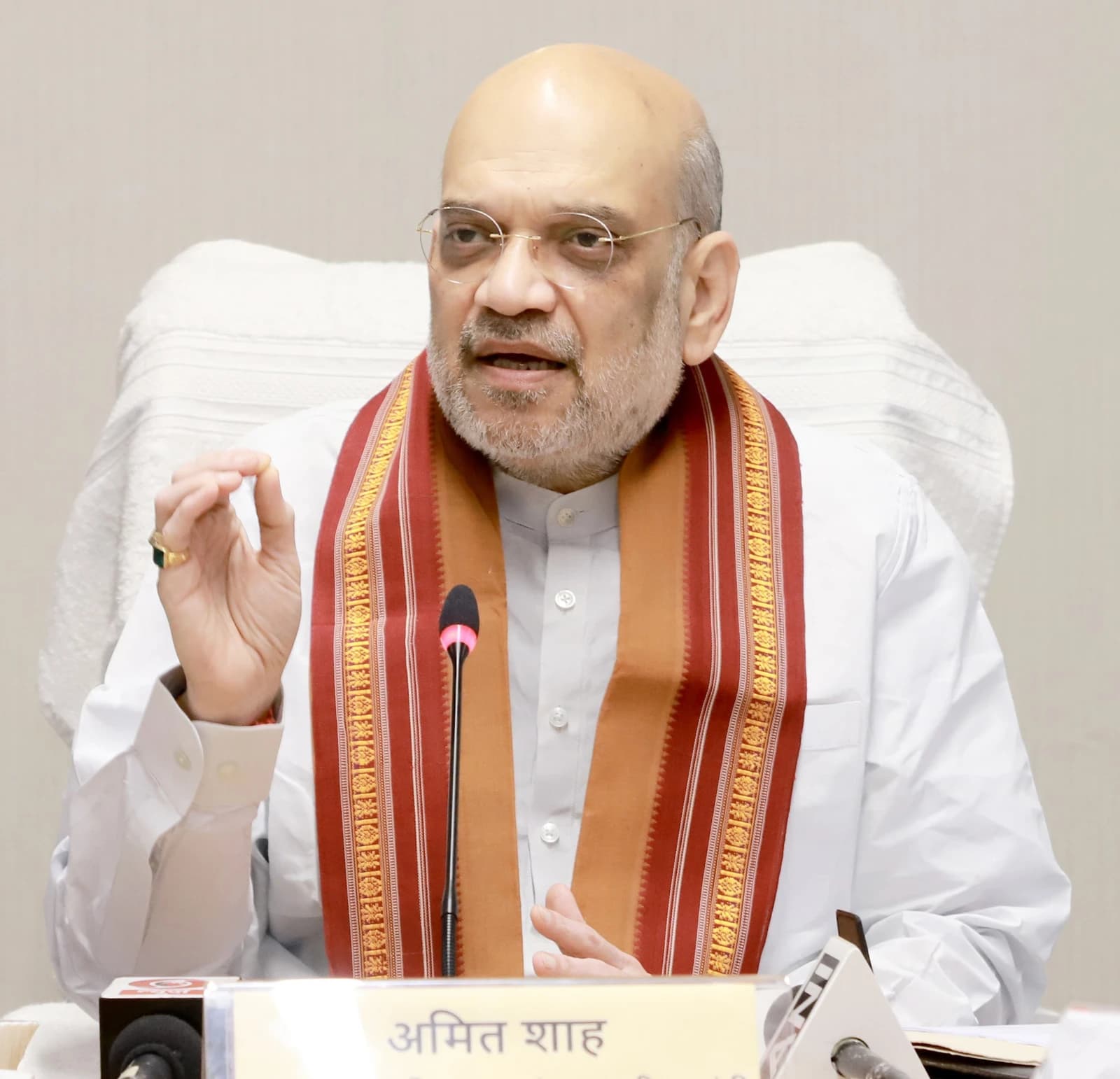
The policy shift matters economically because visa friction is a direct cost on travel demand, cross-border business activity and services exports. By cutting subordinate visa sub-categories to 23 from 49 and reducing the fields in applications by about 70%, authorities are signaling that India wants a faster, more predictable entry system that can support tourism, higher education, investment trips and labor mobility.
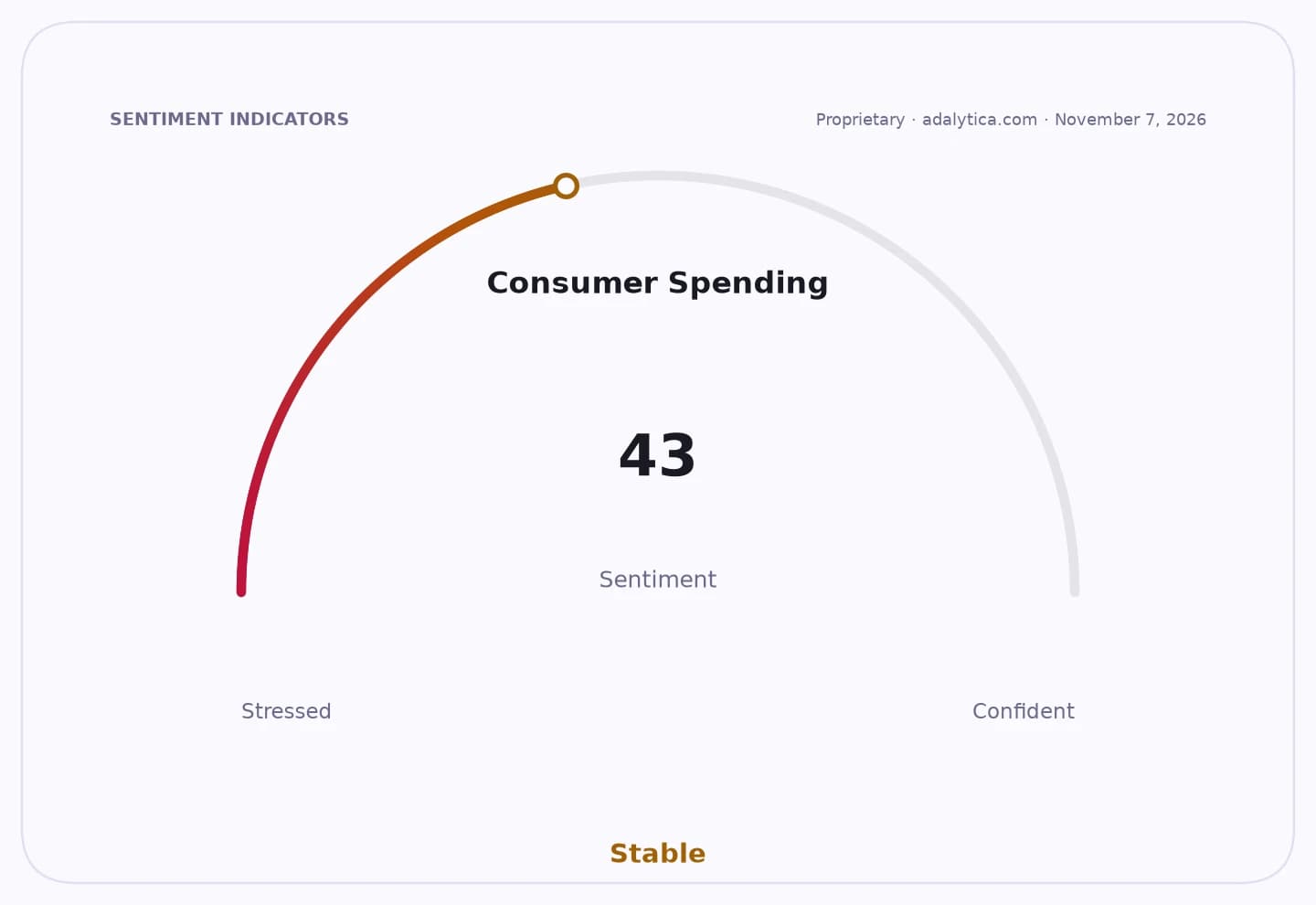
Sentiment Indicators
That is important for an economy that increasingly wants to attract foreign capital and visitors at scale. A simpler visa regime can lower transaction costs for airlines, hotels, online travel agencies, education providers and payments firms that rely on inbound spending. It also strengthens India’s pitch as a destination for conferences, corporate expansion and longer-stay travel, where delays and paperwork can be enough to reroute demand to competing markets.
The reform is part of a review of the 2019 visa guide and is intended to remove repetitive questions and streamline the application process. In practical terms, that suggests faster processing, fewer administrative errors and less uncertainty for applicants — all of which can improve conversion rates for travel bookings and business travel approvals. For investors, that is most relevant to companies exposed to cross-border commerce and inbound travel flows, including payment networks and online travel platforms.
There are also broader policy implications. India has been working to make its immigration system more business-friendly at a time when global mobility remains uneven and countries are competing for high-value travelers, students and skilled workers. A cleaner visa framework will not, by itself, transform travel demand, but it reduces one of the structural bottlenecks that can hold back inbound flows.
The bullish case is that easier entry supports higher visitor volumes, better hotel occupancy, stronger airfare demand and more spending through card networks and travel intermediaries. The bear case is that implementation matters more than the headline: if processing times do not improve materially, the reform may deliver limited economic lift. Investors will watch whether the streamlined rules translate into faster approvals and a measurable pickup in inbound travel and business visits over the coming quarters.
| Entity | Gains | Losses |
|---|---|---|
| India’s tourism and travel sector | ▲Easier inbound demand | ▼Fewer barriers and delays |
| Business travelers and students | ▲Simpler application process | ▼Less paperwork burden |
| Airlines, hotels and OTAs | ▲Higher booking conversion | ▼Visa friction as a drag |
| Competing travel destinations | ▲Potentially lose share | ▼India becomes easier to access |