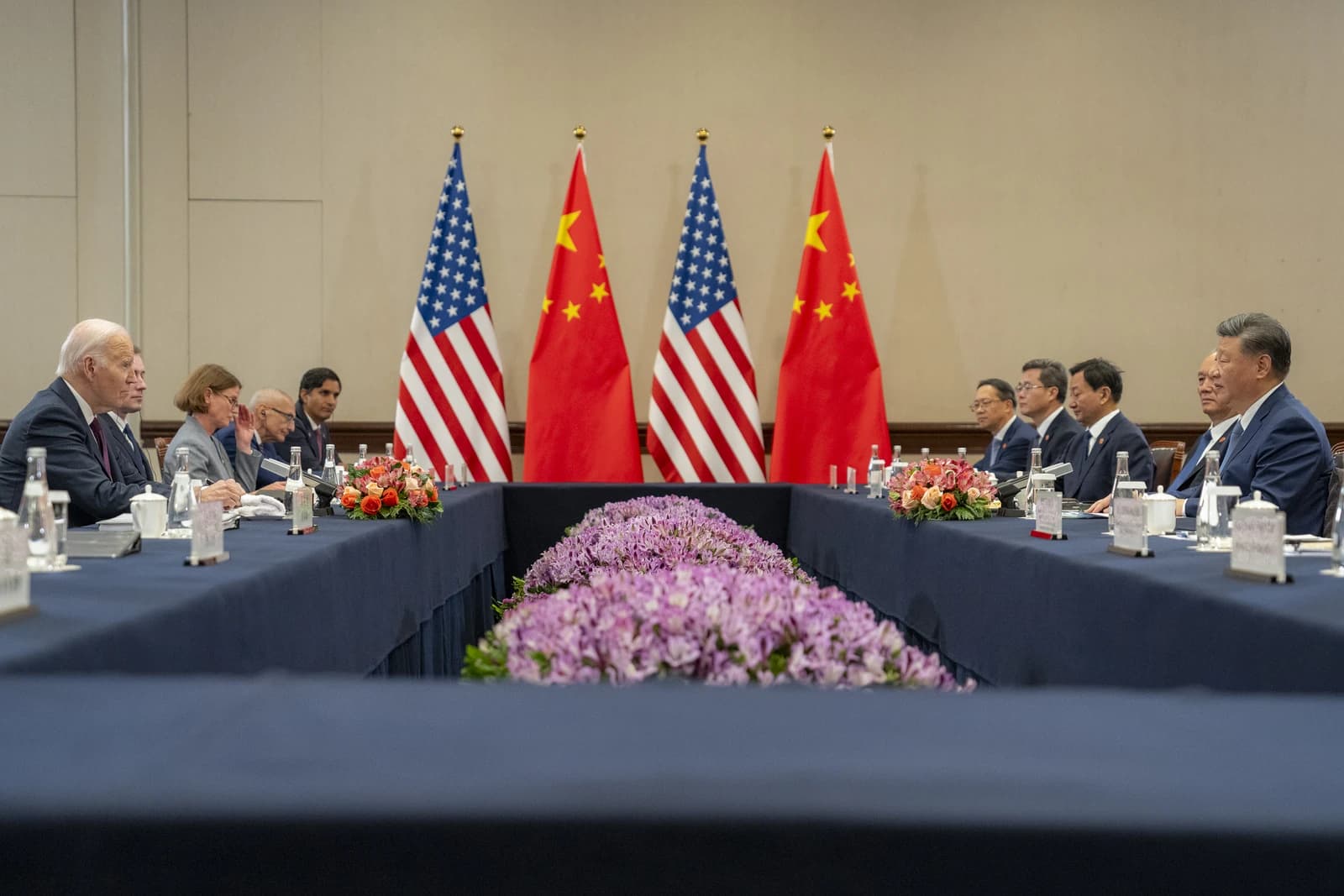
Washington and Beijing are hardening the economic front lines of their rivalry, and India could emerge as one of the biggest winners — or casualties — if the fight over chips, cloud capacity and capital controls keeps escalating.
India data centers gain as U.S.-China curbs tighten
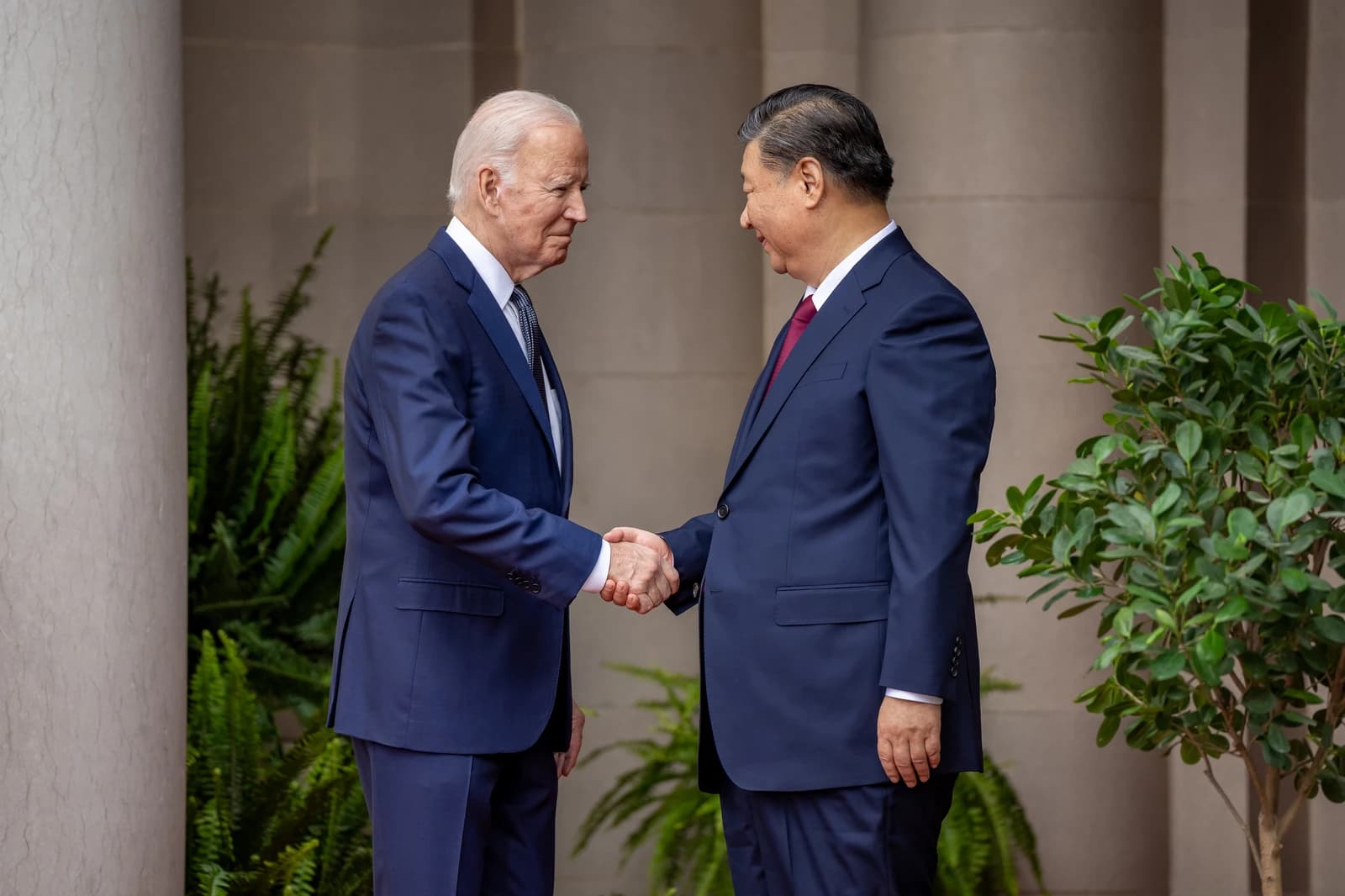
The most important new development is Donald Trump’s warning that U.S. technology companies could face a heavy tax if they build AI and computing data centers outside the United States, a move aimed squarely at keeping global compute power from shifting into China’s orbit. At the same time, Beijing has tightened rules on “red-chip” companies seeking overseas listings, blocking new approvals for firms formed after March 2023 unless they move their headquarters back to China. Together, the two moves show that the world’s two largest economies are no longer just competing on tariffs and export controls — they are trying to police where the next generation of technology infrastructure is built, financed and listed.
Sentiment Indicators
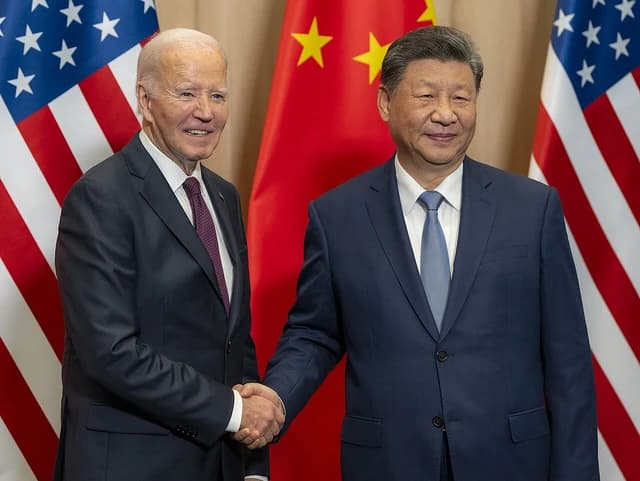
That matters because data centers are becoming the industrial backbone of AI, cloud and advanced computing. Whoever controls the chips, the power supply, the capital and the geography of those facilities will control the economics of the AI boom. Trump’s threat raises the cost of overseas expansion for U.S. hyperscalers such as Amazon, Microsoft and Google, while China’s listing clampdown makes it harder for Chinese firms to tap foreign capital. The result is a more fragmented tech map, higher compliance costs and a stronger push toward regional supply chains rather than a single global one.
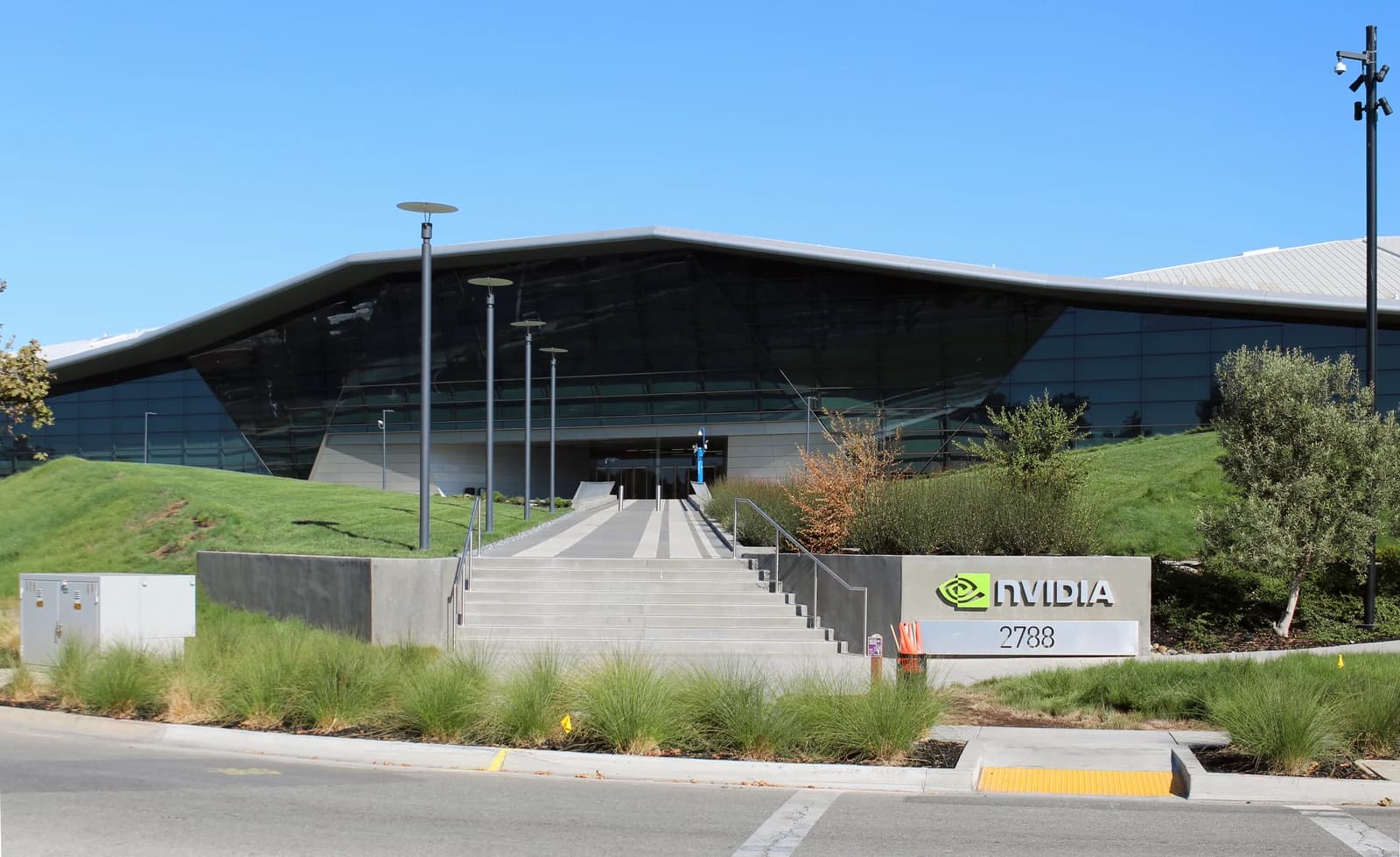
For investors, the immediate read-through is brutal for offshore compute plays, semiconductor logistics and the crowded Southeast Asia data-center buildout. The U.S. is already tightening advanced AI chip export licenses for countries including Malaysia, Thailand, Indonesia, Singapore and Brazil, and Jeffries said about 240,000 Nvidia chips have already reached China through foreign data centers despite restrictions. Nvidia shares fell 11.5% in the latest move cited, underscoring how quickly regulatory risk can overwhelm a still-fundamentally powerful AI story. If Washington keeps pressing and Beijing keeps closing exits, the market will have to price in slower cross-border cloud growth and a more expensive route to scale.
US-China Relations
India sits directly in the middle of that rerouting trade. On one side, Trump’s tax threat could complicate the billion-dollar expansion plans of U.S. cloud giants in India, where local data-center and AI infrastructure investment has been building fast. On the other hand, the squeeze on Southeast Asia and the crackdown on China-linked structures make India a natural alternative destination for capital, provided it remains inside Washington’s favored supply chain lane and keeps access to U.S. chips. That is the critical investment angle: India is not just a beneficiary of “China plus one,” it is becoming a potential compute and cloud hub in its own right.
The market is already signaling that investors want exposure to this rerouting, not just to headline AI names. The broader U.S.-China relations gauge on Adalytica is flashing extreme greed, a sign that geopolitical risk is increasingly being treated as a tradable theme rather than background noise. Meanwhile, India-focused assets have been firmer than China proxies in recent sessions, consistent with the idea that capital is rotating toward jurisdictions seen as less exposed to direct U.S.-China technology retaliation. Chinese equities, by contrast, remain under pressure as the domestic self-sufficiency drive raises the odds of a more closed and less finance-friendly market structure.
The deeper narrative is straightforward: the AI boom is entering its sovereignty phase. The first wave was about growth and adoption; the next wave is about where compute gets built, who licenses the chips, and which countries get to intermediate the flow of capital. That is why this matters far beyond one tax warning or one listing rule. It could redraw the map for semiconductors, cloud services, power infrastructure, and the countries best placed to host the next decade of digital capex.
| Entity | Gains | Losses |
|---|---|---|
| India data centers | ▲More inbound capex | ▼Higher compliance risk |
| U.S. hyperscalers | ▲Domestic build incentive | ▼Offshore expansion costs |
| China ADR/red-chip firms | ▲Domestic capital focus | ▼Foreign listing access |
| Southeast Asia hubs | ▲Short-term project flow | ▼Chip-export scrutiny |