Consumers can use E20 petrol with confidence, India’s government said, seeking to blunt concerns that the 20% ethanol blend is harming vehicles and to reinforce a policy that has become central to the country’s fuel strategy.
India backs E20 petrol use in 20% ethanol blend
The reassurance matters because E20 is not just a technical specification; it is part of a broader effort to reduce oil import dependence, support domestic ethanol production and reshape transport-fuel economics in Asia’s third-largest economy. By publicly defending the fuel’s quality standards, officials are trying to stabilize demand for the blend at a time when criticism from opposition politicians and motorists has raised questions about costs, vehicle compatibility and the pace of the rollout.
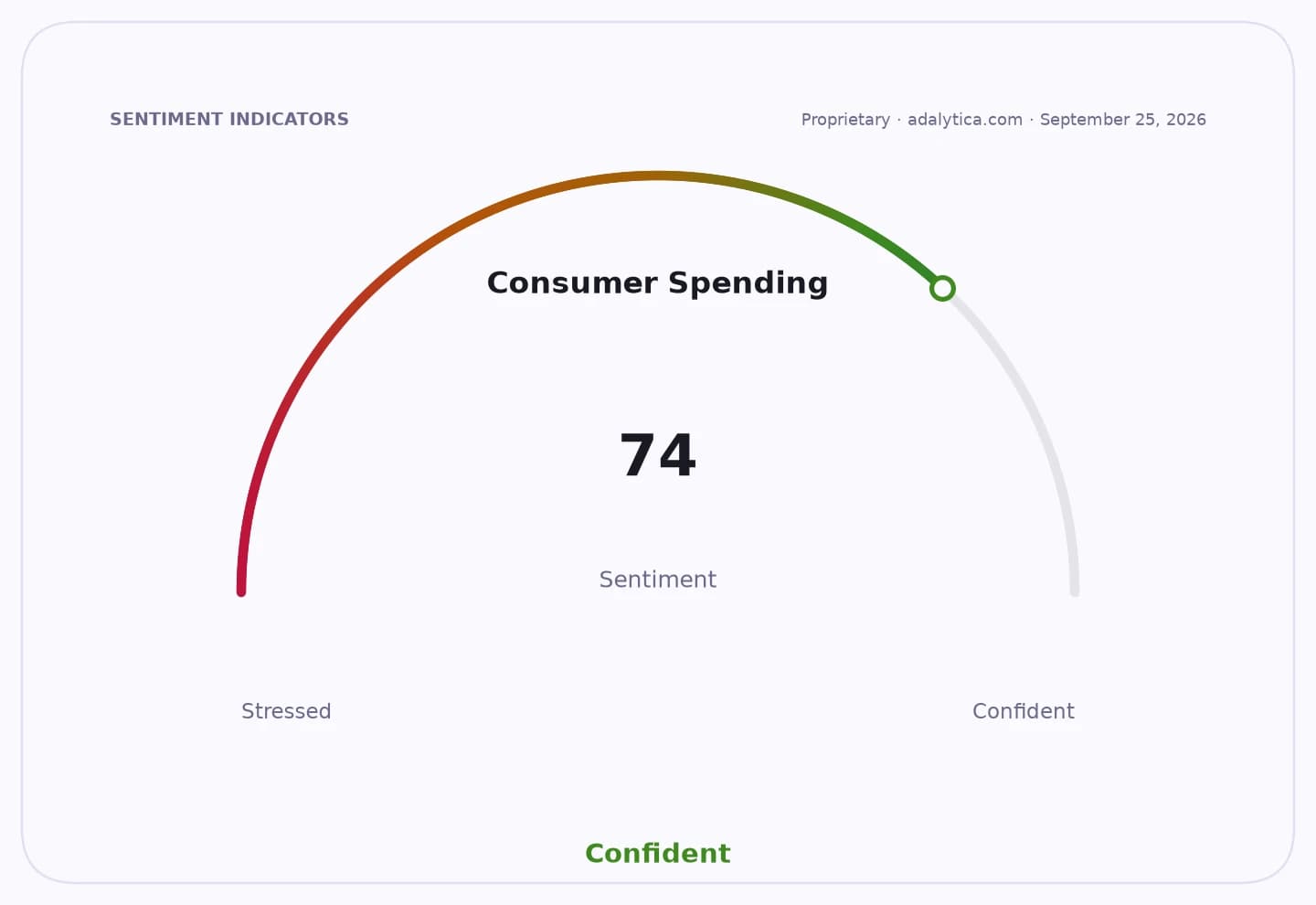
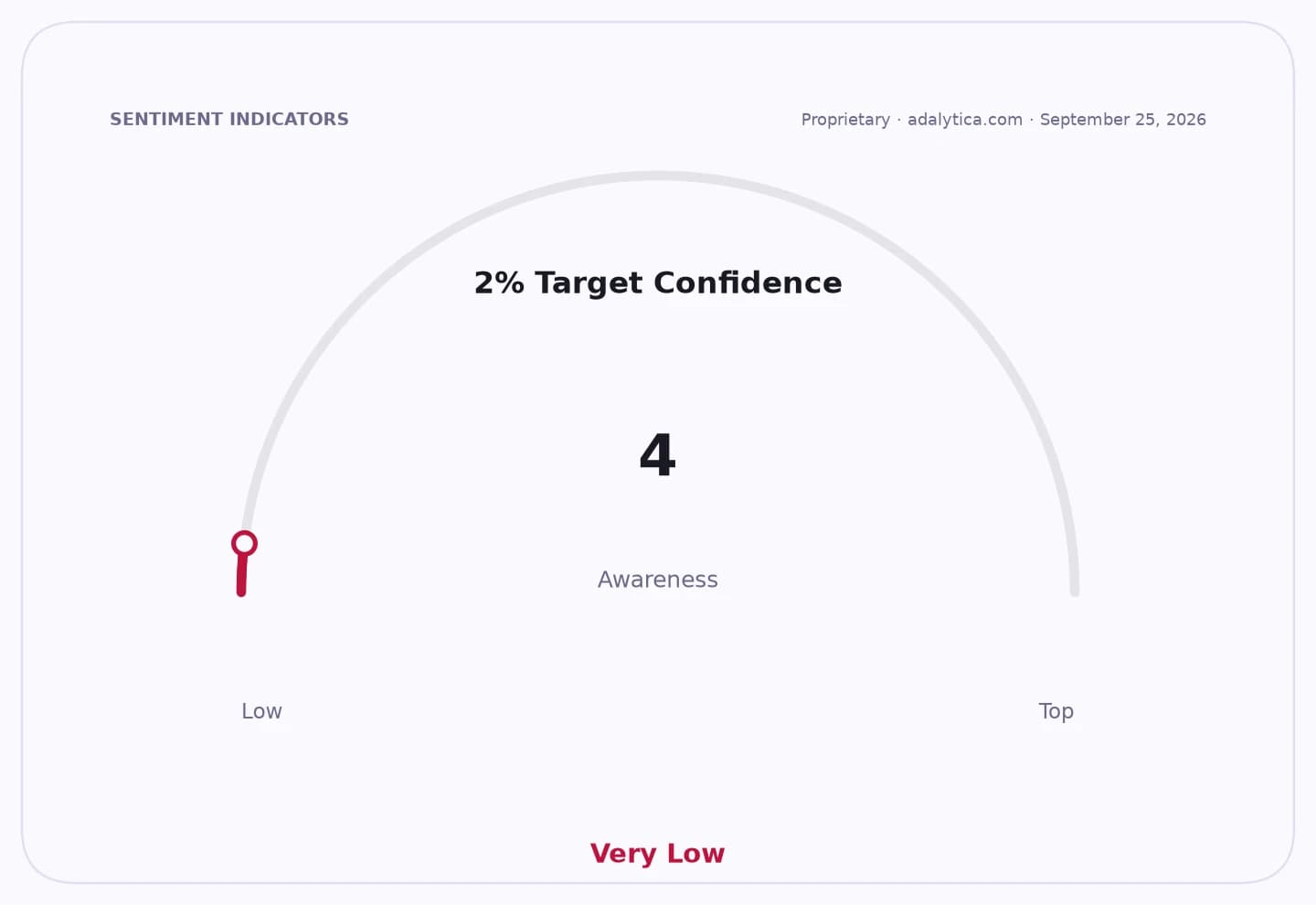
Sentiment IndicatorsⓘProprietary · adalytica.com · August 8, 2026
This is a snapshot — live sentiment, awareness and momentum for 130+ markets update continuously in the dashboard.Open AlphaPulse
The policy has immediate economic implications for consumers and refiners. Petrol blended with ethanol can alter fuel economics by lowering exposure to imported crude, but it also shifts value toward sugar mills, grain processors and ethanol distillers, while potentially compressing margins for fuel marketers and raising concerns among owners of older vehicles. The government has already backed the sector with a subsidy package of Rs 4,687 crore, underscoring that the initiative is as much industrial policy as energy policy.
The denial of rumors that E20 is adulterated or unsafe also matters for inflation and household spending. Fuel is a visible and politically sensitive expense in India, and any perception that blends are reducing mileage or forcing more frequent refueling can feed public backlash. That helps explain why the government is moving quickly to frame E20 as a standards-based product rather than a compromise fuel.
For investors, the story cuts across energy, agriculture and consumer sectors. Domestic ethanol producers and related agribusinesses stand to benefit if the government keeps pushing blending targets and limits imports. Oil marketing companies, meanwhile, face a more mixed picture: they gain policy support and a lower crude exposure, but must manage consumer resistance and possible margin pressure as the fuel mix changes. Automakers and parts suppliers with large fleets of older vehicles could also face scrutiny if compatibility concerns linger.
The policy backdrop suggests the government is unlikely to retreat. Officials have also rejected claims that ethanol will be blended into aviation turbine fuel, signaling a desire to ring-fence the program and avoid widening the debate beyond road transport. That should keep E20 at the center of India’s energy transition agenda, with the main risk now shifting from supply to public acceptance.
| Entity | Gains | Losses |
|---|---|---|
| Ethanol producers | ▲Higher mandated demand | ▼Less policy uncertainty |
| Oil marketers | ▲Lower crude import exposure | ▼Public backlash over mileage |
| Consumers | ▲Assured standards, lower import risk | ▼Fuel-cost and compatibility concerns |
| Import-dependent oil economy | ▲Reduced foreign oil dependence | ▼Higher support for domestic ethanol |