India’s finance minister is signaling that New Delhi can still absorb a fresh inflation shock without blowing out the fiscal plan, a message that matters because higher prices could otherwise force the government to choose between supporting growth and protecting debt metrics.
India Keeps Fiscal Room for Inflation Shock

That cushion is economically important in a country where food and fuel costs can quickly feed into headline inflation, squeeze household demand and complicate the Reserve Bank of India’s path on rates. A budget with room to maneuver gives policymakers scope to soften the blow through targeted spending, subsidies or tax measures if price pressures worsen, while avoiding a broad fiscal loosening that could unsettle bond markets.
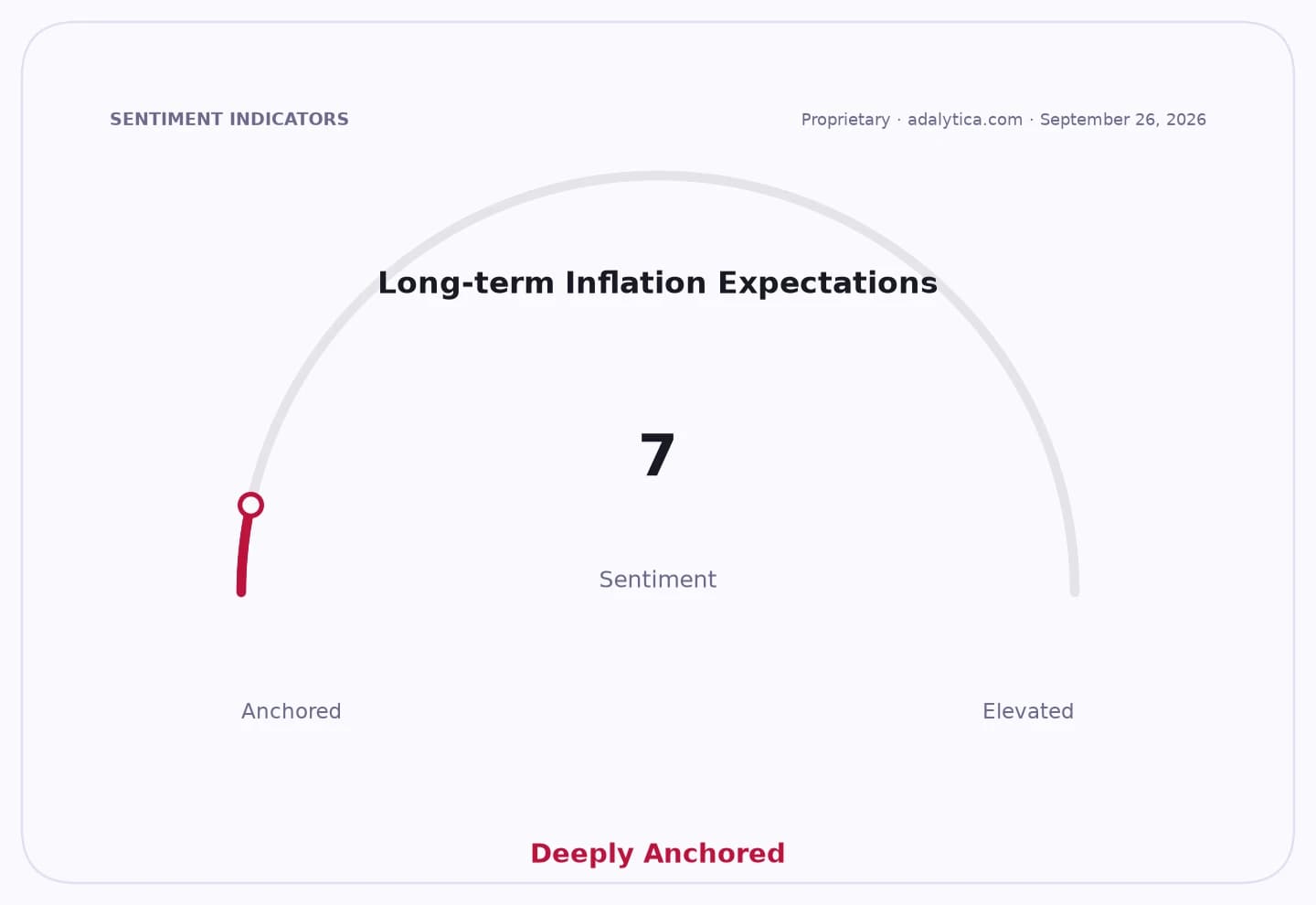
The market backdrop is one of elevated but not crisis-level pressure. US CPI data in the context point to an inflation environment that remains well above pre-pandemic norms, while oil prices have been volatile and 10-year Treasury yields are hovering around 4.7%, underscoring tighter global financial conditions. For India, that combination raises the cost of imported energy and can keep domestic inflation expectations sticky even if the economy is expanding.
Investors will read the minister’s comments as a reminder that fiscal credibility remains a priority. Indian assets have already shown they can be sensitive to any hint of larger deficits or delay in consolidation, because the country’s equity and debt markets depend heavily on the view that growth can be supported without a slippage in public finances. Exchange-traded funds tracking India have recently lost momentum, with the iShares MSCI India ETF trading below both its 50-day and 200-day moving averages and its RSI indicating subdued near-term strength, while the India Fund has also weakened versus its longer-term trend. That suggests the market is not pricing a strong policy impulse yet.
The bull case is that fiscal flexibility lets the government protect consumption and cap inflation pass-through without forcing the central bank to do all the work. The bear case is that any “room to maneuver” can disappear quickly if food inflation spikes, oil stays firm or growth slows, leaving policymakers with a narrower margin for error and potentially less scope to support demand.
For now, the key message is that India wants to preserve optionality. If inflation accelerates, the budget can be adjusted at the margins; if it stays contained, the government can keep focusing on consolidation. Either way, investors will be watching whether that fiscal cushion is used to stabilize growth or whether price pressures end up consuming it.
| Entity | Gains | Losses |
|---|---|---|
| Indian government | ▲Policy flexibility | ▼Pressure to preserve discipline |
| Households | ▲Potential relief support | ▼Higher living costs |
| Bond investors | ▲Fiscal credibility if maintained | ▼Risk if spending widens |
| Equity investors | ▲Stabilizing growth if inflation is capped | ▼Slower consumer demand if prices rise |