Petrol and diesel prices in India stayed unchanged on Friday even as Brent crude jumped above $108 a barrel, underscoring the growing risk that state fuel retailers will eventually have to choose between absorbing losses or passing higher crude costs to consumers.
India Fuel Prices Stay Flat as Brent Tops $108
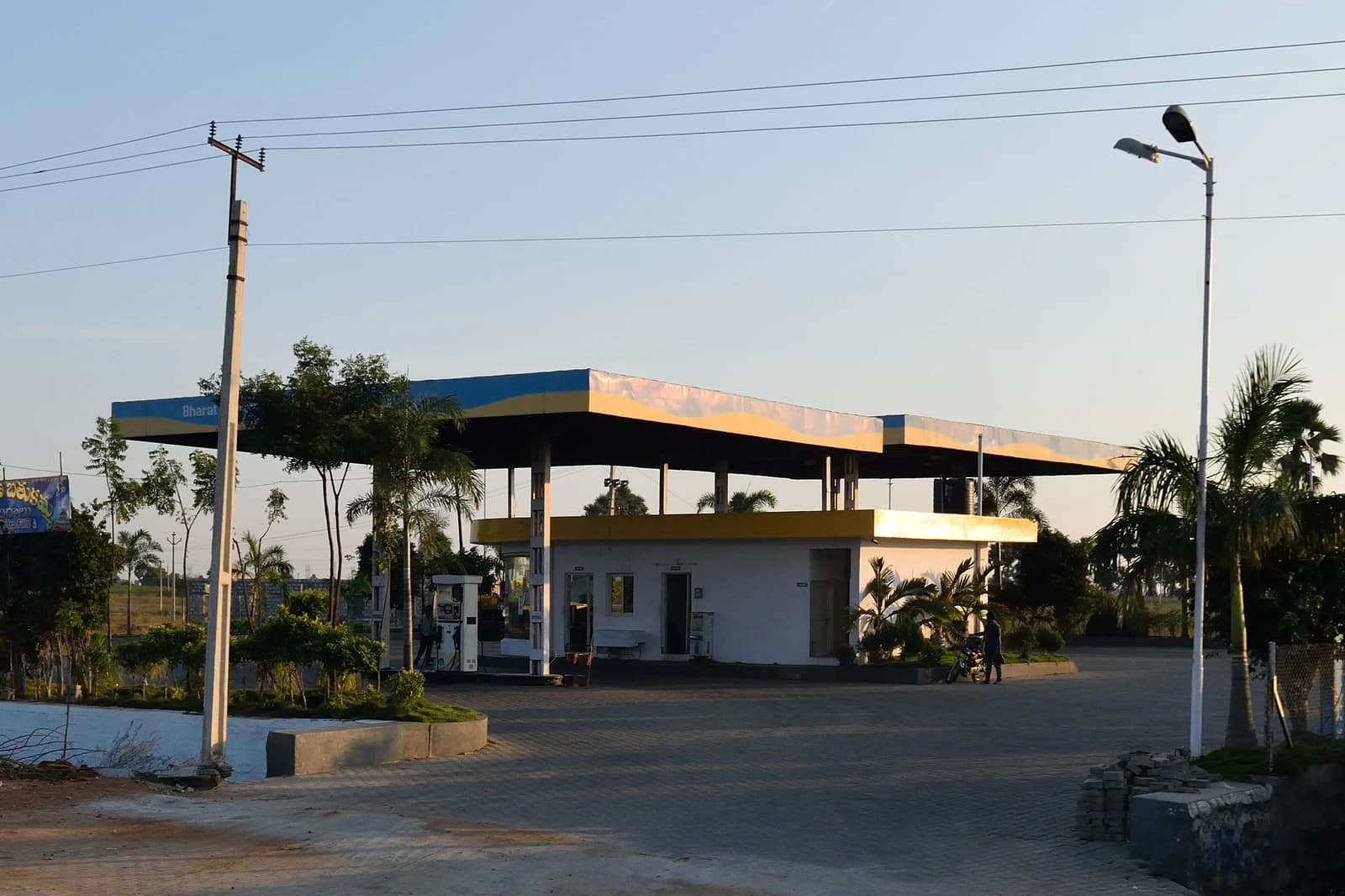
The immediate significance is not the static pump price itself, but the widening gap between domestic fuel rates and a fast-rising global oil market. Brent’s move to the highest level since May, alongside US crude breaking above $100, reflects a fresh geopolitical premium as the US-Iran confrontation intensifies. For a country that imports most of its crude, sustained gains in benchmark prices threaten the trade balance, lift inflation pressure and squeeze margins across the energy complex.
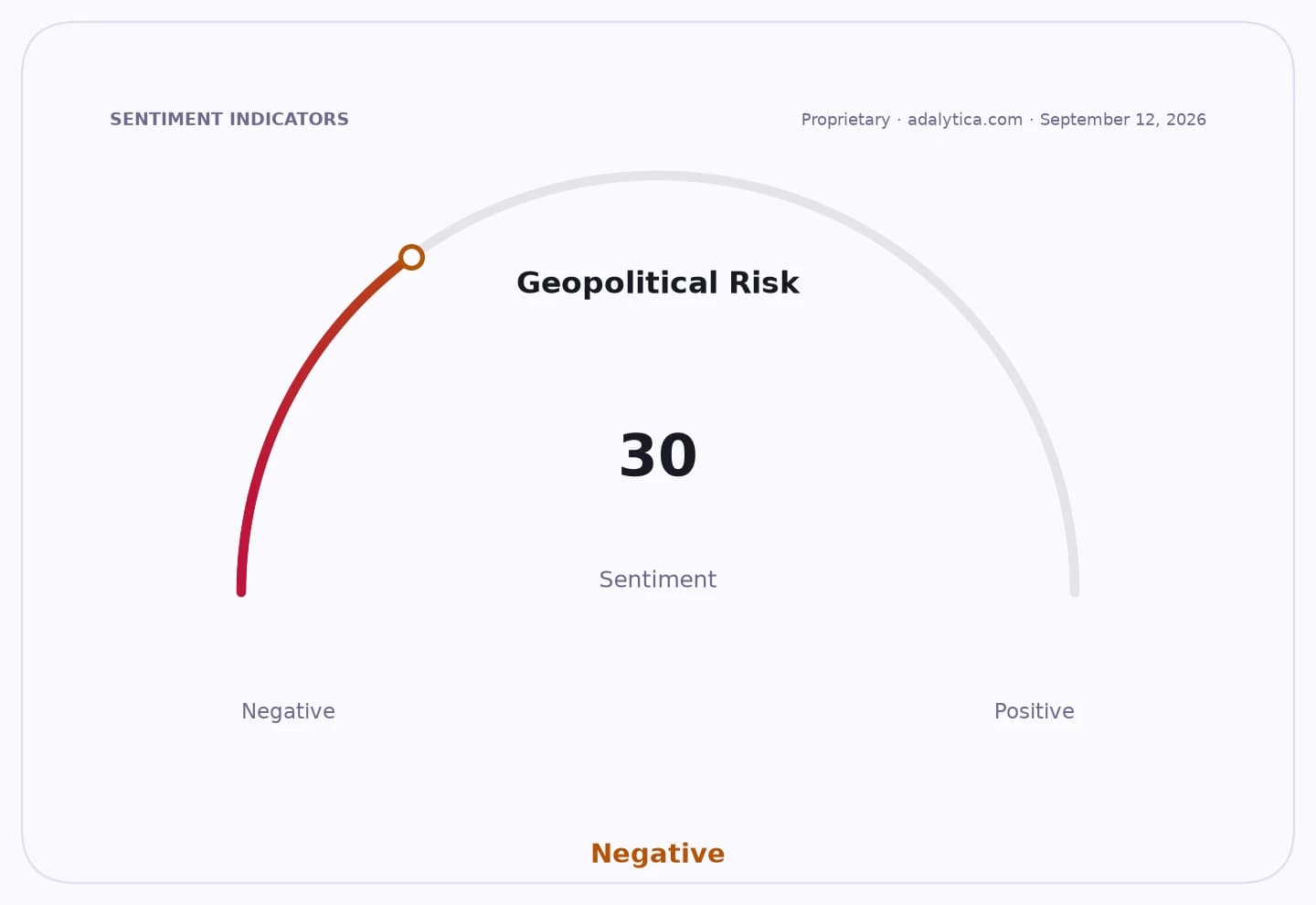
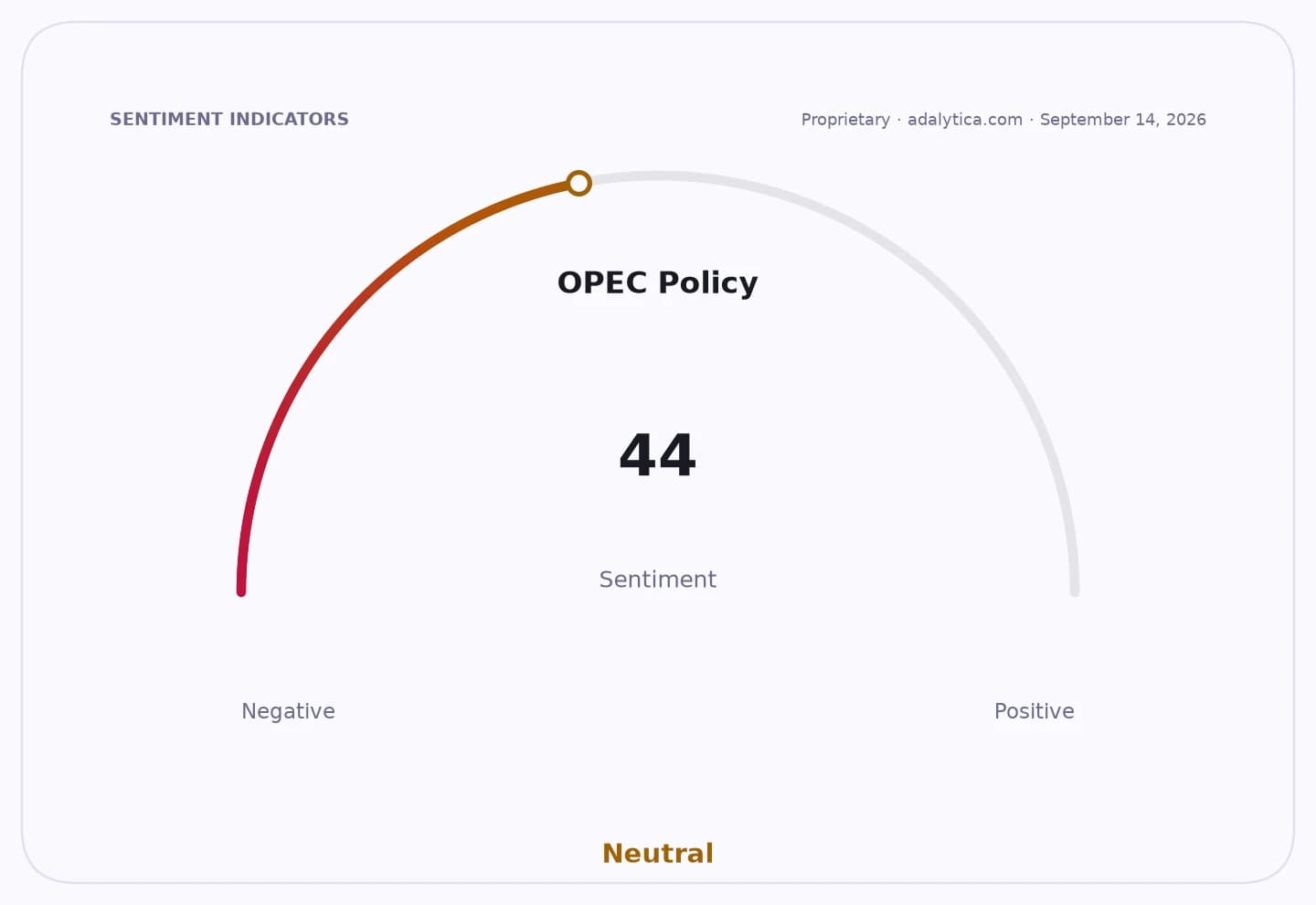
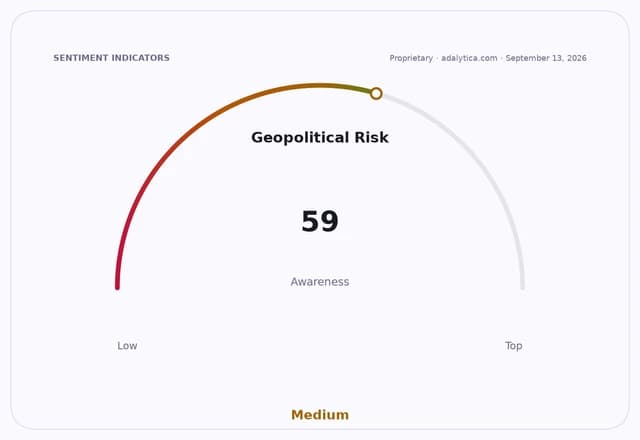
Sentiment IndicatorsⓘProprietary · adalytica.com · September 13, 2026
This is a snapshot — live sentiment, awareness and momentum for 130+ markets update continuously in the dashboard.Open AlphaPulse
Indian oil marketing companies have so far held retail prices steady for more than a week, with petrol in Delhi at Rs 102.21 a litre and diesel at Rs 95.20. That suggests the companies are absorbing part of the shock for now, likely to avoid stoking consumer inflation and political pressure. But the longer crude stays elevated, the less room they have to delay pass-through without hurting earnings or balance sheets.
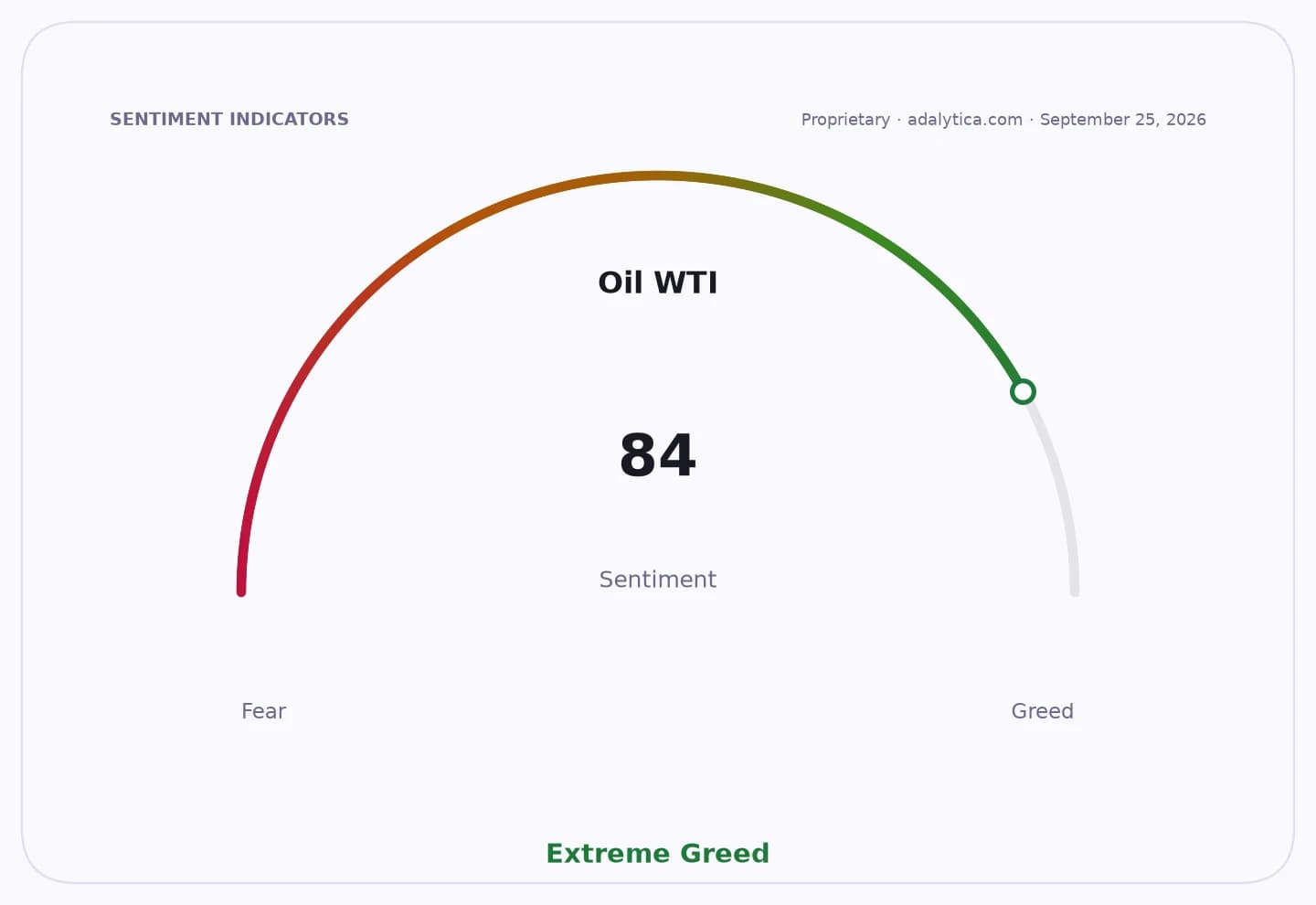
The market backdrop is important. Brent futures in the latest trading data were still above $104 after touching as high as $110.19, while WTI settled around $100.05, both well above their 50-day moving averages. Brent’s relative strength, with RSI readings still elevated, shows the rally has momentum even after a brief pullback. Adalytica’s Oil WTI Trade Signals snapshot also pointed to “Extreme Fear” in sentiment, a sign that geopolitical risk is driving the move rather than a clean demand-led upcycle.
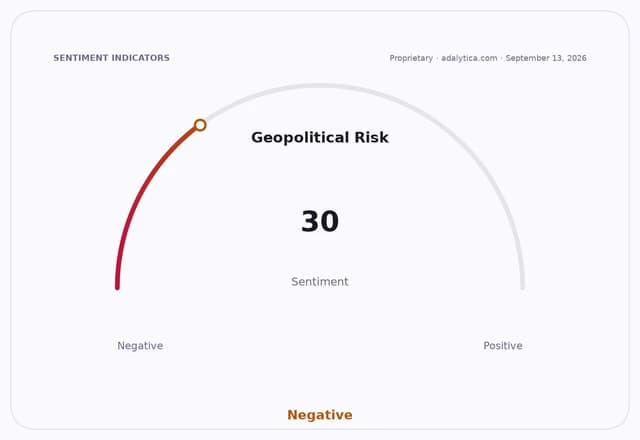
For investors, the implications are split. Upstream producers and integrated oil companies tend to benefit from firmer crude, but refiners, fuel retailers and oil importers face pressure if higher feedstock costs are not fully recouped. In India, the policy choice is especially delicate: keeping pump prices unchanged helps contain inflation in the short term, but it raises the risk of a sharper adjustment later if crude stays near current levels.
The conflict-driven rally also matters beyond energy. Higher oil can feed into transport, fertilizer, chemicals and broader consumer inflation, complicating monetary policy and government budgeting. The fact that Brent is now above levels seen in recent months suggests markets are pricing a real supply-risk premium, not just a fleeting headline response.
What to watch next is whether the US-Iran standoff escalates further and whether Indian fuel retailers begin to raise pump prices after weeks of restraint. If crude holds above $100, the current freeze will become harder to maintain, and the economic costs of delay will shift from consumers to corporate margins and, eventually, the broader inflation outlook.
| Entity | Gains | Losses |
|---|---|---|
| Oil producers | ▲Higher realized prices | ▼None |
| Indian oil marketing companies | ▲Temporary retail stability | ▼Margins under pressure |
| Indian consumers | ▲Short-term price freeze | ▼Risk of later hikes |
| Oil import-dependent economies | ▲None | ▼Wider trade and inflation strain |