India’s claim of a 100% consensus on the New Delhi Declaration gives Prime Minister Narendra Modi a rare geopolitical win at a moment when the G20 is being pulled apart by war, trust deficits and great-power rivalry.
India G20 declaration boosts equity case

For investors, the significance is bigger than summit theatre. A smooth adoption of the declaration, along with the African Union’s entry as a permanent G20 member, strengthens India’s case as a durable bridge between the West and the developing world. That matters because New Delhi is trying to convert diplomatic credibility into longer-term leverage on trade, supply chains, capital inflows and multilateral influence — all of which support India’s premium valuation relative to many emerging markets.
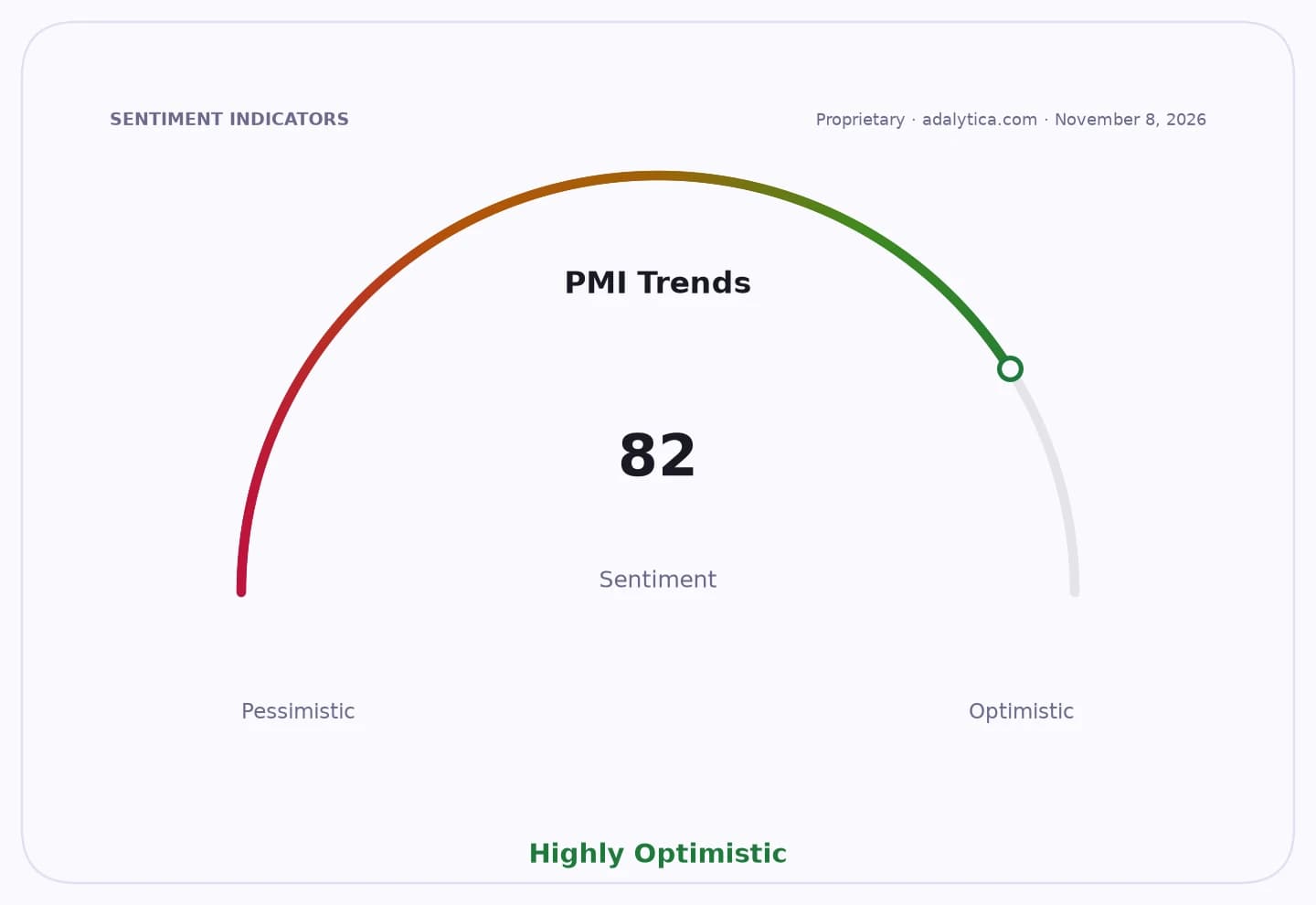
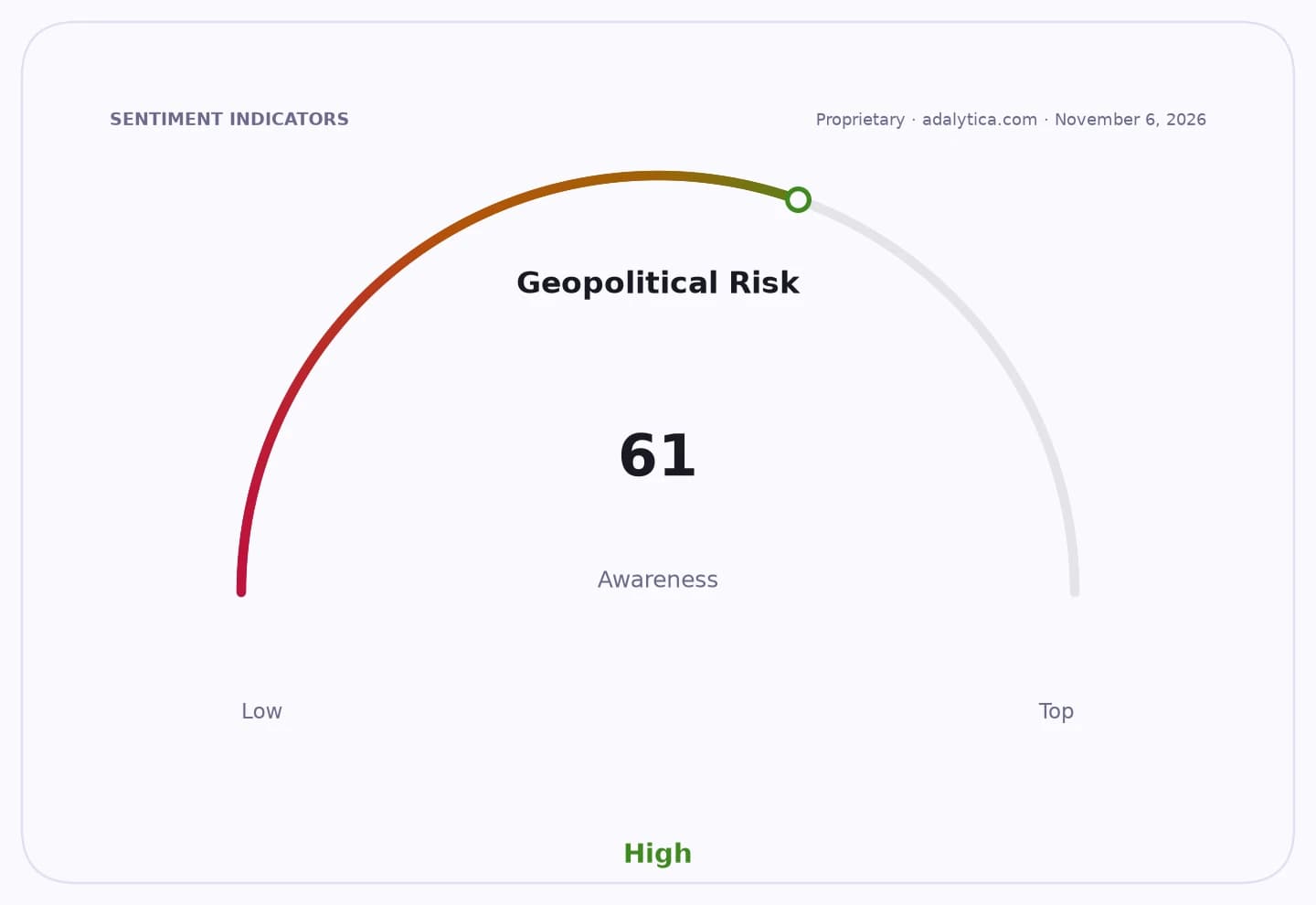
Sentiment Indicators

A 100% consensus on “developmental and geo-political issues,” as G20 Sherpa Amitabh Kant put it, also signals that India was able to preserve cohesion across a fractured forum. That gives Modi a diplomatic narrative the market can trade on: a country that can convene, negotiate and extract outcomes even when Russia, Ukraine, climate, debt relief and food security remain flashpoints. Kant said India’s presidency delivered 112 outcomes and presidency documents, more than double previous presidencies, underlining a more ambitious policy machine than investors typically associate with emerging-market diplomacy.
The immediate market read-through is indirect but important. India’s G20 success reinforces the country’s positioning as a beneficiary of global reallocation away from China and toward politically reliable manufacturing, infrastructure and services hubs. That dovetails with the stronger technical backdrop in India-linked exposure: the iShares MSCI India ETF, EPI, recently traded at $44.30, above its 50-day moving average of $41.56, while its RSI reading near 80 shows momentum has become extended. The broader India fund, INDA, was also trading above both its 50-day and 200-day moving averages at $51.59, with an RSI above 83, another sign that investors are already paying up for the India growth story.
The timing matters because the G20 remains a stage for geopolitical friction, not just diplomacy. Western leaders are still divided over Russia’s role, and the summit’s ability to advance economic cooperation depends on managing those tensions. India’s success in pushing through the declaration while elevating the African Union suggests it can profit from the world’s fragmentation rather than be trapped by it.
That is why this story matters for capital allocators: the market underestimates how often geopolitical credibility becomes an economic asset. If India can keep translating summit leadership into institutional influence, it strengthens the secular case for India equities, infrastructure, industrials and domestically focused financials. My view is simple: stay long India as a strategic beneficiary of the new multipolar order, because diplomatic relevance is becoming an investable edge.
| Entity | Gains | Losses |
|---|---|---|
| India / Modi government | ▲Global stature, policy credibility | ▼Diplomatic pressure if follow-through fades |
| Indian equities / India ETFs | ▲Premium valuation support | ▼Late buyers if momentum cools |
| African Union | ▲Permanent G20 seat | ▼Limited if influence remains symbolic |
| Russia / summit hardliners | ▲Little | ▼Greater isolation, reduced room to shape agenda |