Indian households are still buying gold, but they are no longer buying it the old way.
India Gold Demand Shifts to ETFs and Digital Gold
That is the key market change behind the surge in prices: as bullion climbed to record highs, more savers shifted from necklaces, bangles and locker-held bars toward gold exchange-traded funds, digital gold and futures. The move matters because it changes who captures the next wave of demand, where the money flows and how much of India’s gold appetite translates into financial assets rather than physical imports.
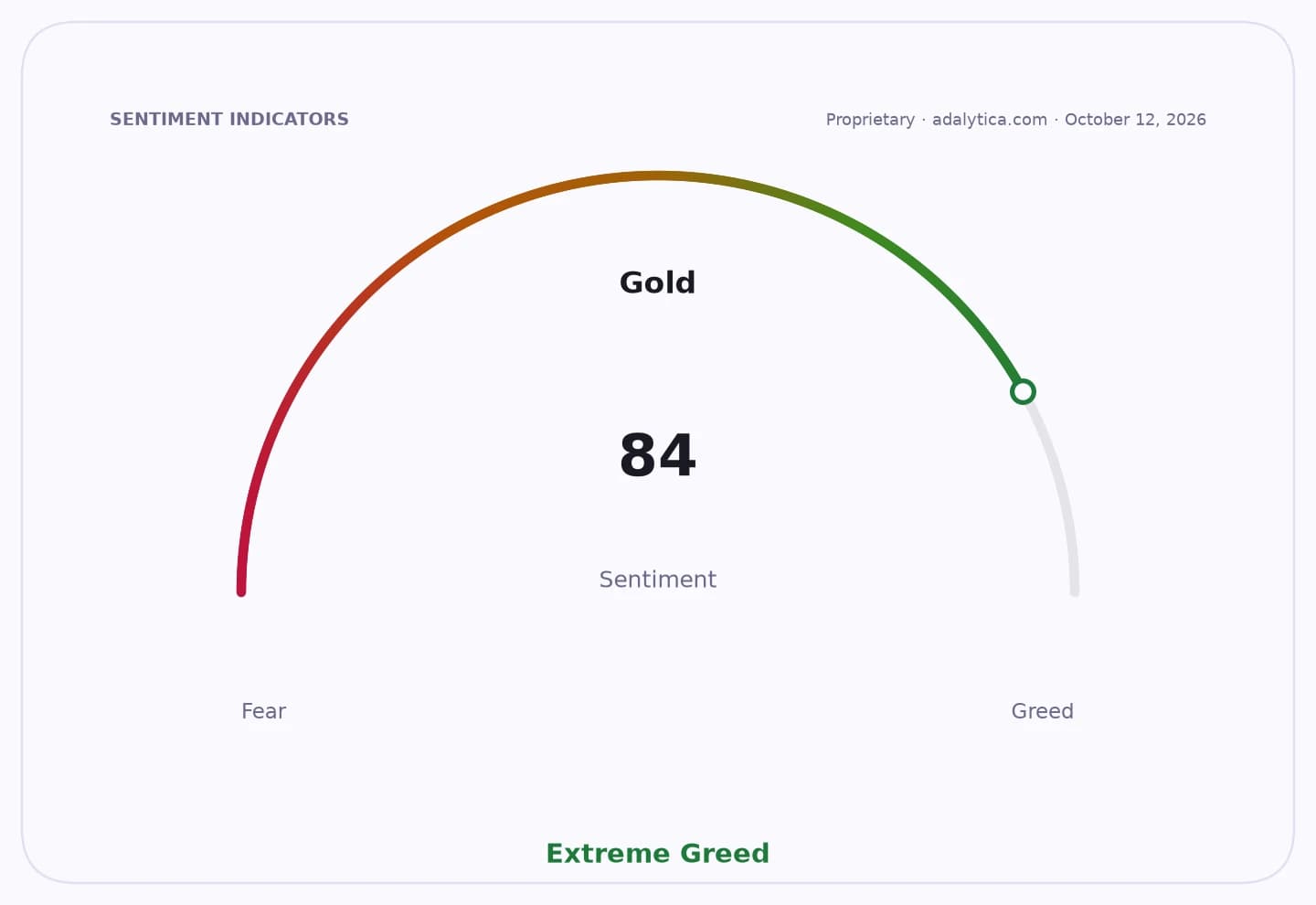
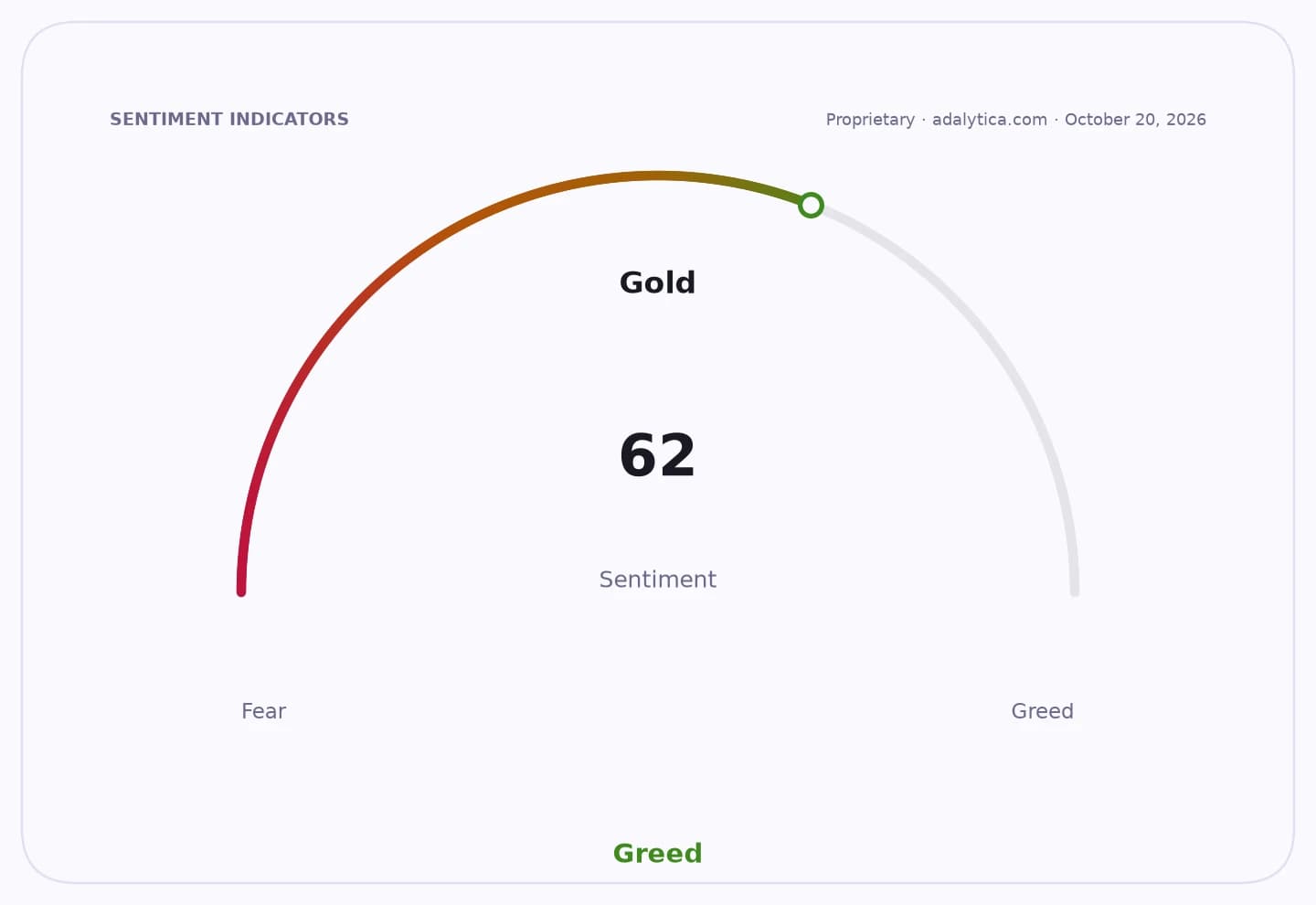
In August, domestic gold prices jumped 12% to Rs 1,58,854 per 10 grams, while global gold rose 13% to $4,386 an ounce, one of the steepest monthly gains in nearly three decades. Normally, that kind of spike would trigger a rush to jewelry stores. Instead, the cash increasingly went to stock exchanges and investment apps.
Indian gold ETFs drew net inflows of Rs 2,596.70 crore in August, up sharply from Rs 1,559 crore in July and the third straight month of gains. Assets under management for domestic gold ETFs have climbed to about Rs 1.91 lakh crore, backed by 121.3 tonnes of gold. Year to date, Indian gold ETF inflows have reached $4.22 billion.
The bigger second-order story is that the investment format is becoming the trade. Digital gold purchases averaged about Rs 2,500 crore a month from June through August and were up 110% in August from a year earlier. On MCX, the daily average value of gold futures trading rose 38% in a month to about Rs 29,500 crore, the highest in five months. That is a clear sign that investors want exposure, but through instruments that are easier to buy, sell and track than jewelry.
Physical demand, by contrast, is softening. India’s gold import bill fell to $2.3 billion in August, down 45% from July and 58% from a year earlier. Domestic prices are also trading below import parity by about $78 an ounce as of Sept. 11, reflecting how quickly the rally has outrun retail buying power and how many consumers are opting to exchange old jewelry rather than add fresh physical demand.
For investors, the implication is straightforward: the gold trade is no longer just a bet on the metal, but on the financialization of household savings. That favors ETF providers, exchanges and platforms that distribute digital gold, while pressuring jewelry retailers and import-linked businesses that depend on volume growth. It also keeps gold’s portfolio role intact as a hedge, rather than a pure speculative momentum trade.
The caution is that new money is not flooding in as fast as the price move would suggest. Only about 4,000 new gold ETF accounts were opened in August, versus a monthly average of 3.3 lakh from January through July, showing that much of the recent inflow came from existing holders adding to positions. That makes the trade more concentrated and potentially more volatile if prices stall or retreat.
There is still a seasonal tailwind ahead from India’s festive and wedding calendar, and central-bank buying continues to support the broader bullion thesis. But after such a steep run-up, the market is telling a different story: Indians still want gold, just not necessarily in the form of heavy jewelry. The smarter way to play the shift is through the picks-and-shovels of the new gold economy — ETFs, exchanges and investment platforms — while treating physical demand as a slower, more cyclical business.
| Entity | Gains | Losses |
|---|---|---|
| Gold ETF providers | ▲Higher inflows | ▼Lower retail inertia |
| Digital gold platforms | ▲Faster adoption | ▼Jewelry-store traffic |
| MCX and exchanges | ▲More trading volume | ▼Physical import demand |
| Jewelry retailers/importers | ▲Inventory churn | ▼Fresh bullion purchases |