Higher credit scores are becoming a direct tool for Indian homebuyers to blunt the impact of rising borrowing costs, as lenders widen the gap between borrowers with strong repayment histories and everyone else.
India Homebuyers Can Cut Loan Rates With Higher Scores
The Reserve Bank of India raised the repo rate by 25 basis points to 5.5% on Oct. 7 and shifted its stance to calibrated tightening, leaving the door open to more hikes. Economists now expect another 75 basis points of increases by April 2027, a backdrop that makes even small reductions in loan spreads materially valuable for mortgage holders.
Sentiment Indicators
That matters because floating-rate home loans linked to external benchmarks already move with policy rates, and the real cost to the borrower is determined not just by the benchmark but also by the lender’s spread and credit risk premium. Banks can keep those spreads under review and, in some cases, reduce them earlier than three years for customer retention, but the cut is not automatic.
The difference can be large. Bank of India, for example, currently charges 7.35% for borrowers with credit scores above 840, 7.5% for scores of 825-839 and 7.65% for scores of 760-799, with non-salaried borrowers paying 10 basis points more in the lowest band. For borrowers whose profiles have improved since sanction, that creates room to ask for repricing and lower interest outgo.
In practice, the savings can be substantial. One Bengaluru borrower said he took a Rs.46 lakh home loan at 8% in 2018 when his credit score was 730, then renegotiated after his score improved to 810, saving nearly Rs.14 lakh in interest. Another borrower, according to loan consultancy examples, improved his profile enough to secure a lower rate after approaching the bank directly.
The story also exposes a gap in borrower awareness. Kunal Shah, co-founder of SURE Financial, says close to 70% of borrowers on the platform are overpaying because of wider spreads on their loans. Mortgage advisers say banks do not automatically reprice loans when a score rises, so borrowers must ask for a review and document better repayment behavior, lower leverage or a stronger loan-to-value ratio.
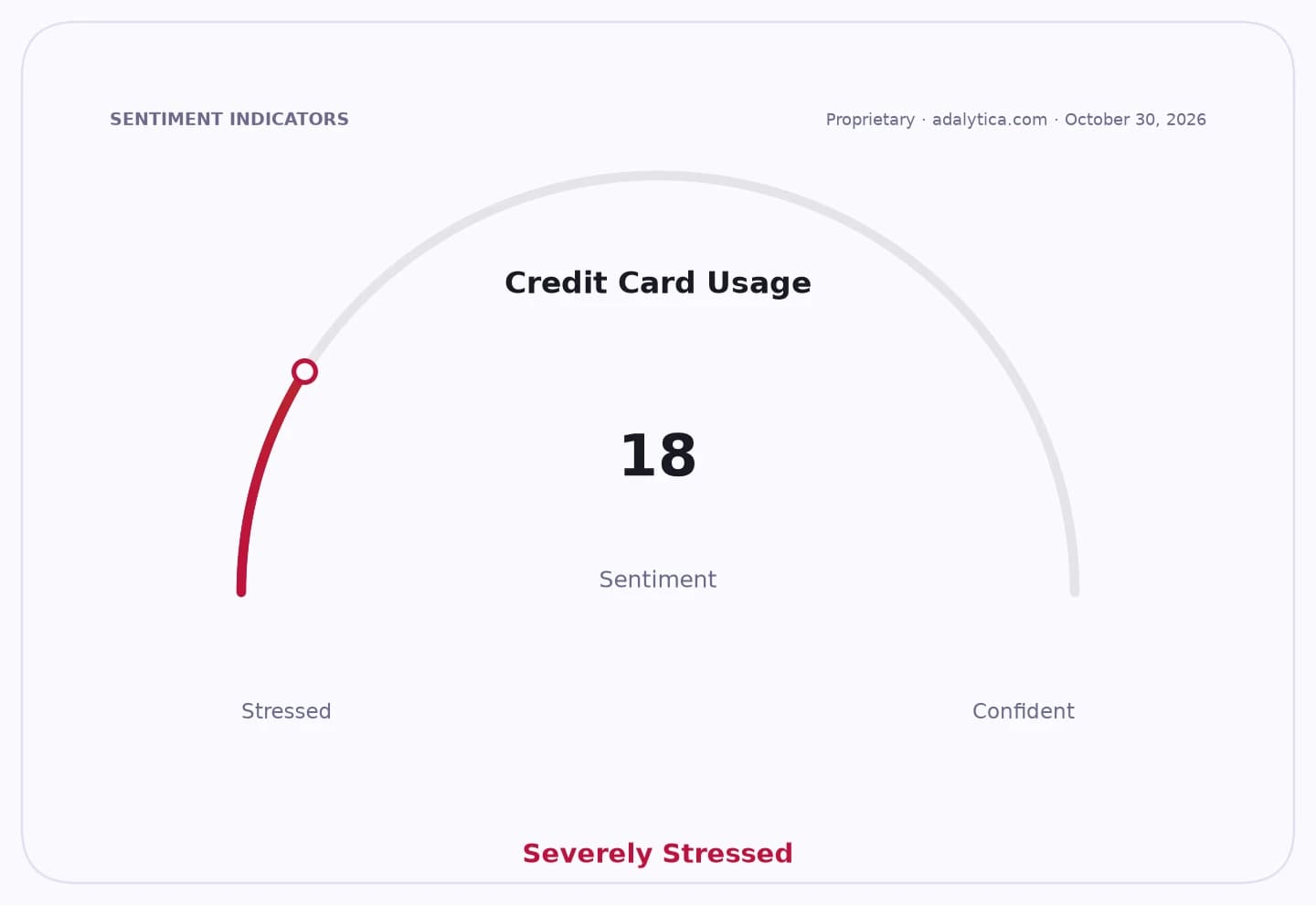
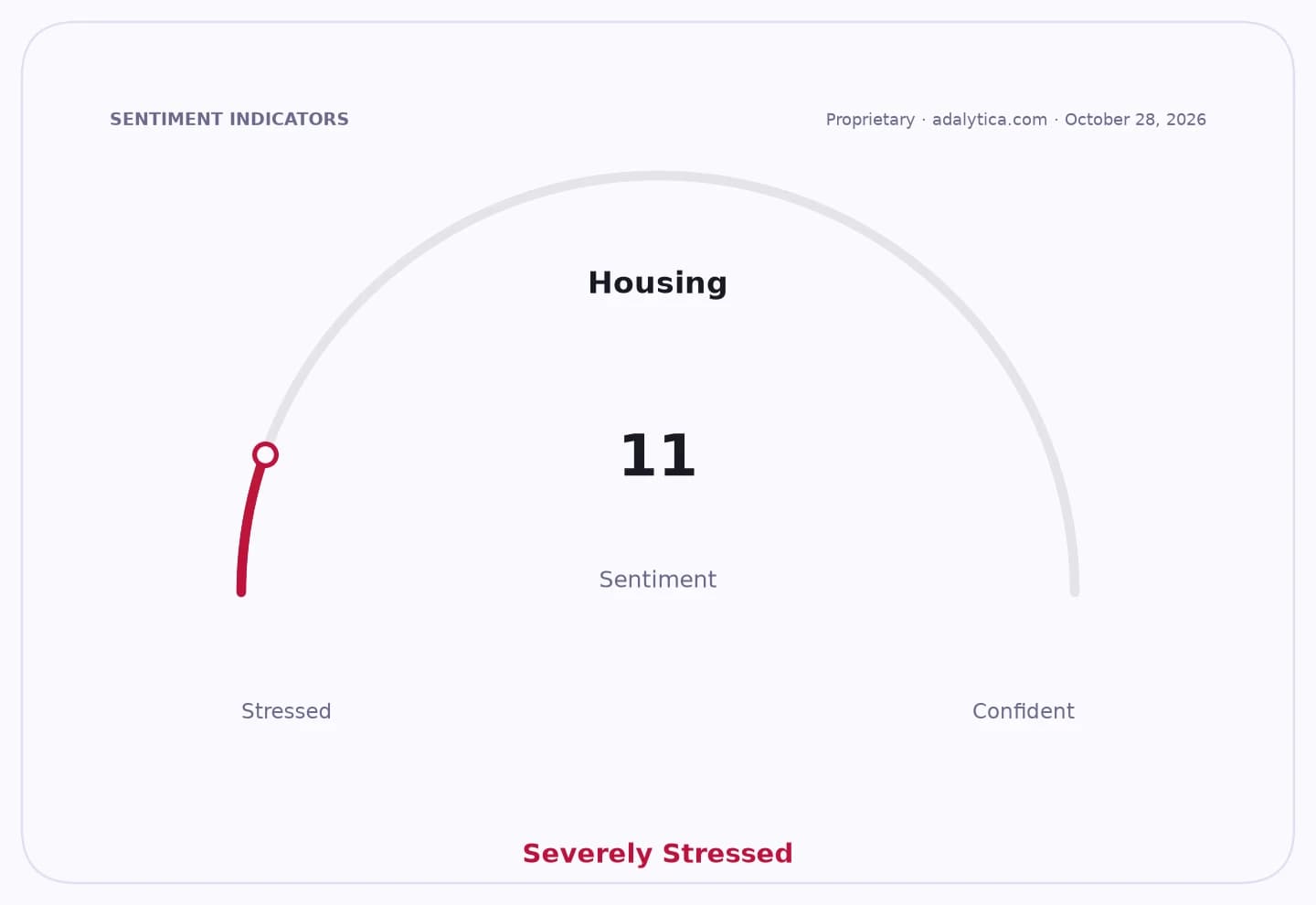
For investors, the shift underscores a more selective credit market in which banks can defend margins by charging more to weaker borrowers while competing harder for prime customers. It also points to continued pressure on household budgets if the RBI keeps tightening, making credit discipline and refinancing increasingly important for mortgage demand and consumer spending.
| Entity | Gains | Losses |
|---|---|---|
| Borrowers with strong credit scores | ▲Lower mortgage rates | ▼Less room for complacency |
| Banks with flexible spread policies | ▲Better customer retention | ▼Margin pressure on prime loans |
| Weak-credit borrowers | ▲— | ▼Higher spreads and EMI burden |
| Home loan seekers overall | ▲More transparency in pricing | ▼Higher costs if RBI hikes continue |