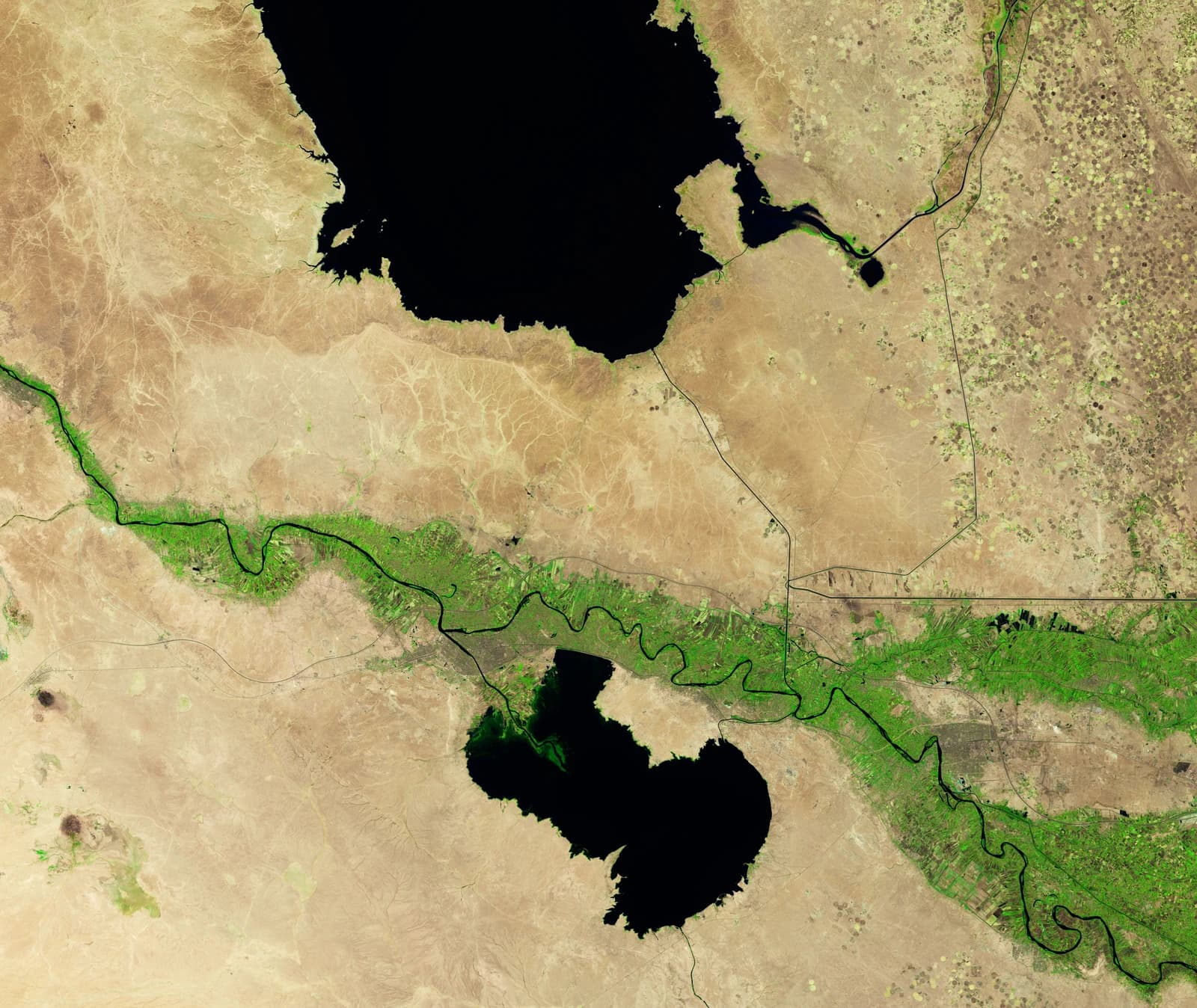
Maize prices have climbed above ₹3,000 a quintal, a level that reflects a tightening supply picture in India as drought crimps yields and ethanol demand absorbs more of the crop.
India maize prices rise above ₹3,000 a quintal

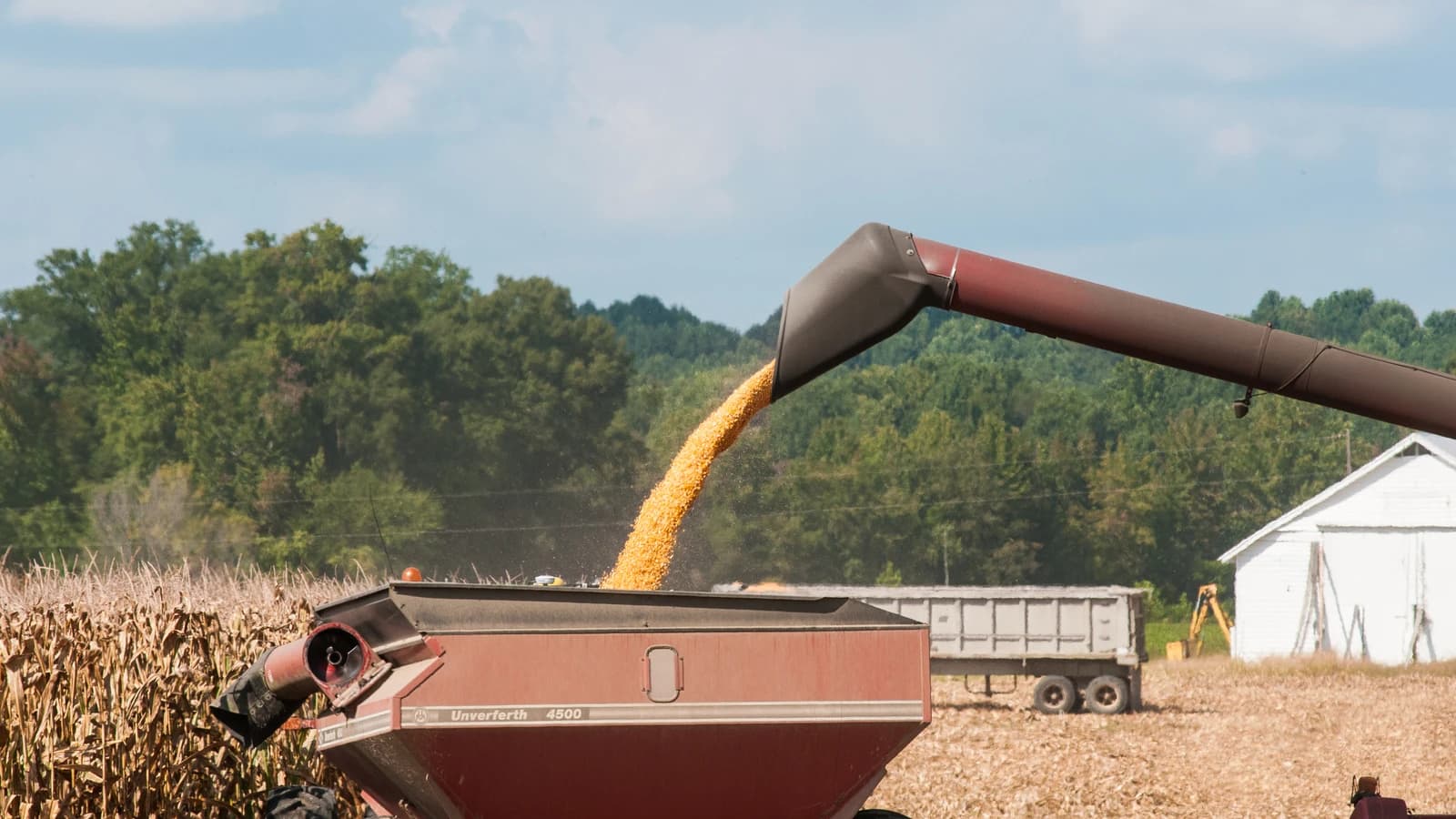
The move matters because maize is no longer just a feed grain: it is increasingly tied to India’s fuel blend ambitions. That dual demand has sharpened the competition between food, feed and industrial users, lifting farmgate prices and improving returns for growers after a period of weaker pricing.
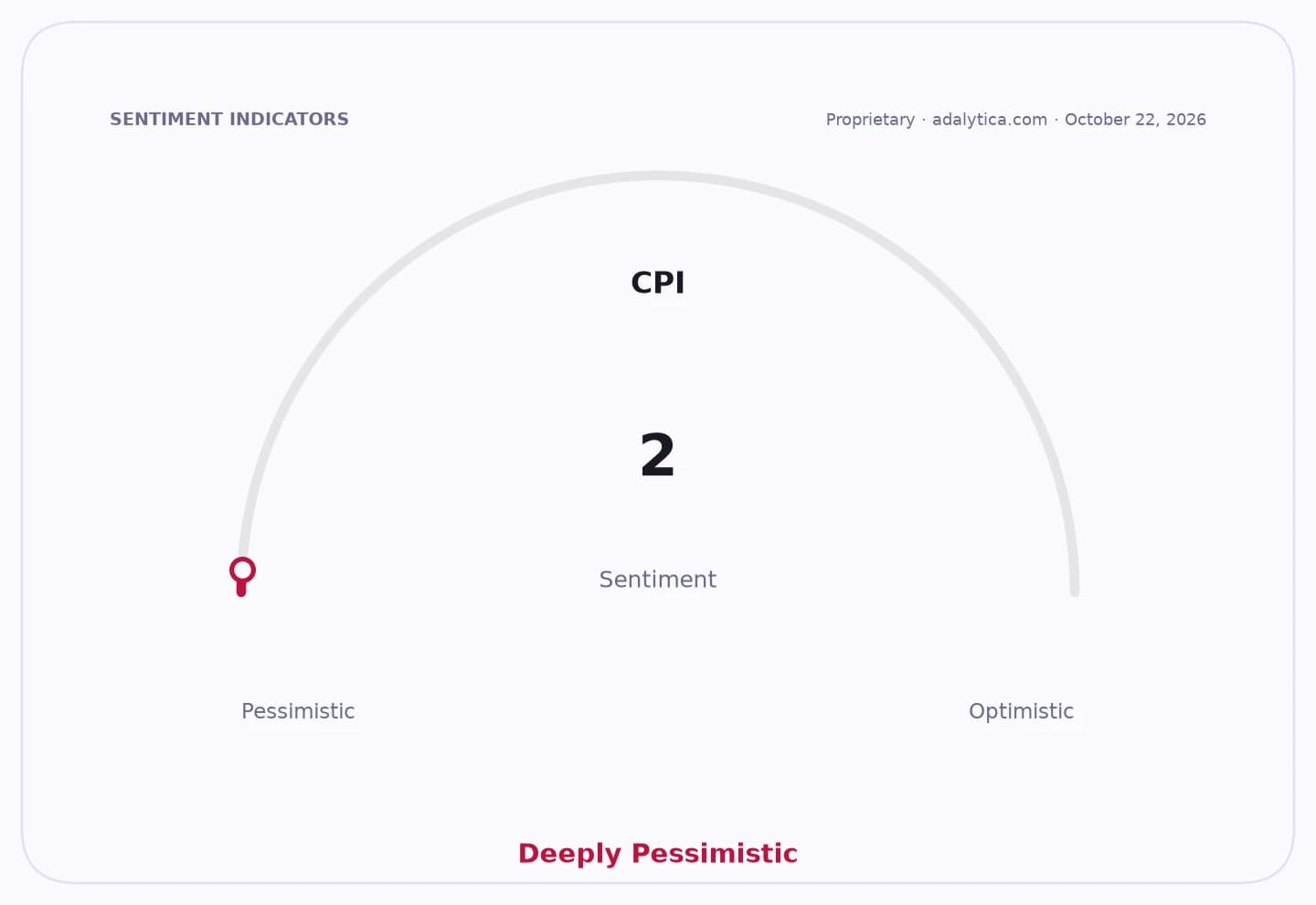
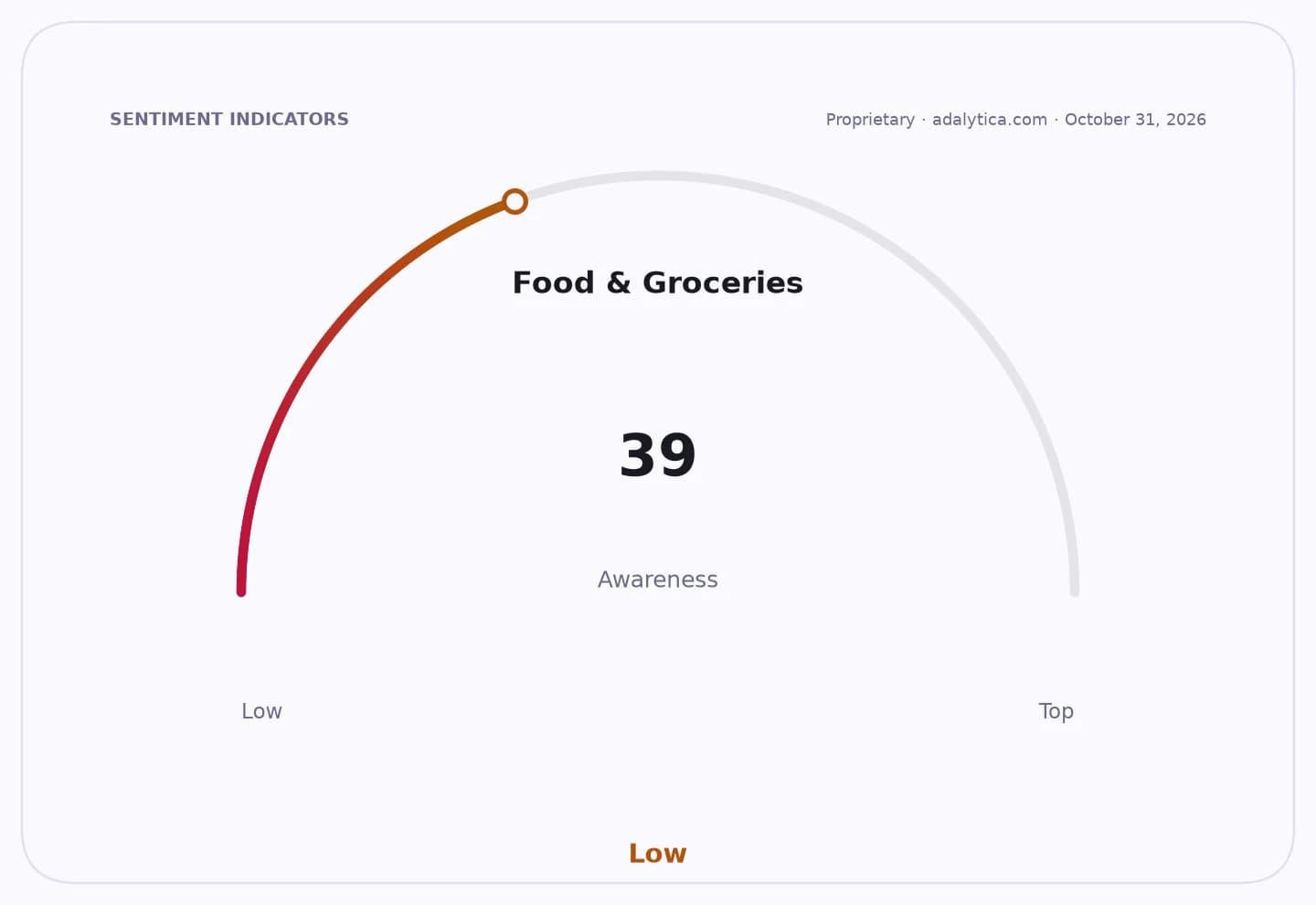
Sentiment Indicators
For farmers, the rally is a clear positive. Higher maize realizations can offset part of the income hit from lower output, especially in rain-dependent regions where drought has hurt productivity. For buyers, including poultry producers, starch makers and ethanol distillers, the price rise raises input costs and could squeeze margins if the market stays firm.
The backdrop is not limited to India. Weather stress has already been feeding into global grain markets, with benchmark corn and wheat funds showing broad volatility as drought concerns persist. In the U.S. market, corn futures have been trading well below their recent highs but remain vulnerable to any new supply shocks, while wheat has also seen sharp swings as investors weigh weather damage against seasonal crop prospects.
The ethanol link is especially important for investors. Indian policy has pushed mills and distillers to use more maize as a feedstock, creating a structural source of demand that can support prices even when domestic consumption is uneven. That is good for growers and for companies positioned to process grain into fuel, but it is less favorable for livestock and food processors that rely on stable feed costs.
Technical indicators in U.S. grain funds underline how sensitive the complex remains to supply news. Corn and wheat ETFs have both fallen sharply from recent levels, with momentum readings near oversold territory, a sign that traders have already priced in a weaker backdrop but remain exposed to sudden reversals if drought losses deepen or export demand improves.
For investors, the key question is whether this is a temporary weather-driven spike or the start of a more durable repricing driven by industrial demand. If drought losses continue and ethanol blending stays strong, maize could remain supported above previous ranges. If supply normalizes, the gain may fade quickly. For now, the balance clearly favors farmers and ethanol producers, while feed users and consumers face the cost.
| Entity | Gains | Losses |
|---|---|---|
| Maize farmers | ▲Higher farmgate prices | ▼None in the near term |
| Ethanol producers | ▲Cheaper feedstock security | ▼Higher corn procurement costs |
| Poultry and feed users | ▲None | ▼Cost pressure on margins |
| Maize consumers | ▲None | ▼Higher food and feed inflation |