India’s oil and gas companies are facing a near-term squeeze because elevated crude prices, expensive imported LNG and weakening fuel marketing margins are eroding downstream profitability faster than refining gains can compensate, according to Equirus.
India oil companies face margin squeeze on crude and LNG

That matters because the sector’s earnings mix is tilting away from the most stable parts of the business. Refiners are still benefiting from strong product spreads, but oil marketing companies are being hit by negative petrol margins and deeply negative diesel margins, while gas and LPG sourcing costs are rising. For investors, that combination points to more volatile earnings, weaker cash generation at state-linked fuel retailers and greater dispersion between integrated producers and pure marketers.
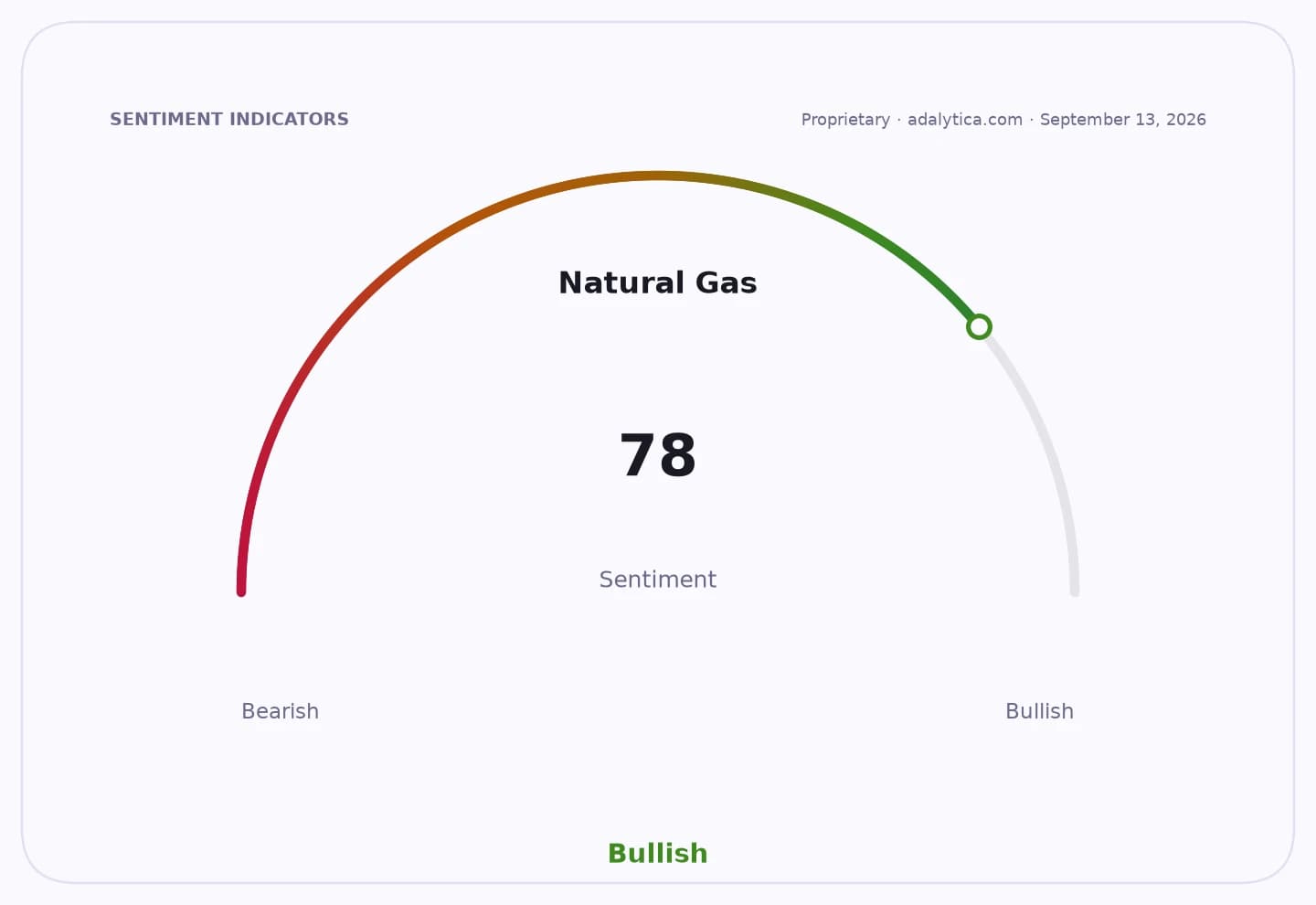
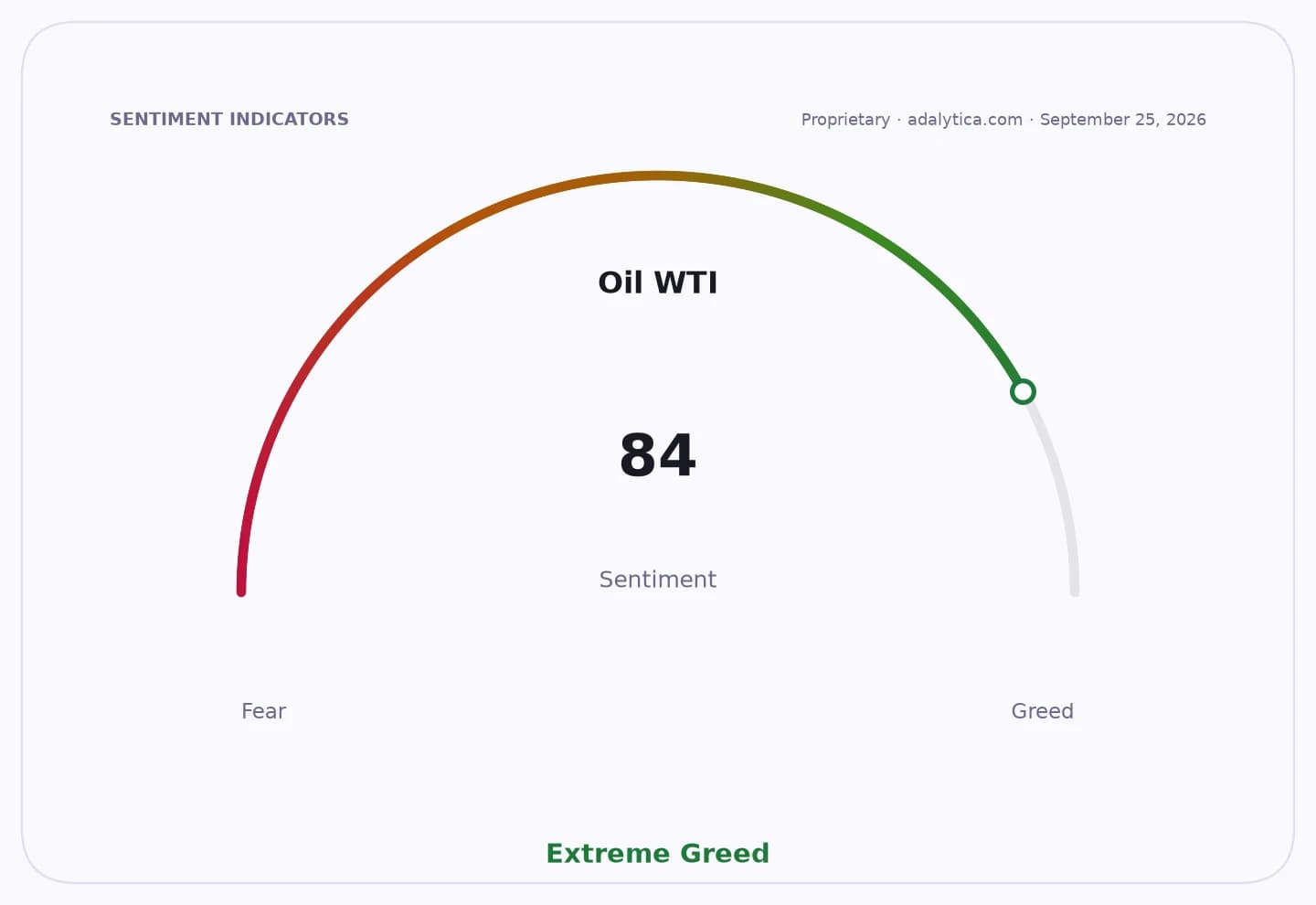
Sentiment IndicatorsⓘProprietary · adalytica.com · September 7, 2026
This is a snapshot — live sentiment, awareness and momentum for 130+ markets update continuously in the dashboard.Open AlphaPulse
Equirus said gasoline cracks are still about 45% above their one-year average and gasoil cracks about 82% above average, with jet fuel cracks 71.6% higher year on year. Those spreads should support refining margins for companies with meaningful downstream exposure. But the brokerage said integrated margins have already moderated from recent peaks, implying the cushion is shrinking as crude costs remain elevated and marketing losses deepen.
The strain is especially visible in oil marketing companies. Petrol marketing margins have turned further negative, while diesel margins remain deeply negative, according to the report. That is important in India, where regulated or politically sensitive retail pricing can lag swings in global feedstock costs, leaving refiners and marketers exposed when crude rises faster than pump prices can adjust.
The broader oil backdrop is not helping. Brent and WTI have climbed back toward the low-$90s a barrel, keeping input costs high for refiners and fuel distributors. Higher crude also tends to bleed into regional LPG and LNG pricing, which is particularly painful for India because it depends heavily on imports to meet gas demand.
Gas is emerging as another margin headwind. Asian spot LNG rose to $24 per million British thermal units in the week ended Sept. 4, up 60.6% from a year earlier and 22.3% in three months, Equirus said. The brokerage expects LNG imports to soften from September after strong August arrivals, but the cost pressure is already likely to feed through to gas-consuming industries, from power to fertilizers and city gas distributors.
LPG sourcing is also becoming more expensive. After supply disruptions from West Asia, India has increased purchases from the US and other non-Gulf suppliers, but the shift comes with longer shipping distances and higher freight costs. Equirus summed it up bluntly: India’s LPG diversification “comes at a higher cost.”
For investors, the key question is not whether downstream earnings are positive, but how durable they are. Integrated oil companies can still lean on refining cracks, and firms with upstream exposure may benefit from firmer crude. But the market is likely to punish businesses that are heavily exposed to retail fuel and imported gas if crude, LNG and freight remain elevated longer than expected.
The next catalyst is whether crude retreats enough to restore marketing margins, or whether geopolitics and freight keep imported energy expensive into the next quarter. Until then, sector profitability looks likely to remain uneven, with refiners relatively better placed than oil marketers and gas distributors.
| Entity | Gains | Losses |
|---|---|---|
| Refiners | ▲Strong product cracks | ▼Higher crude feedstock costs |
| Oil marketing companies | ▲Higher retail volumes | ▼Negative petrol and diesel margins |
| Gas consumers | ▲Short-term supply continuity | ▼Higher LNG import costs |
| LPG importers/diversifiers | ▲Supply security | ▼Higher freight and delivered costs |