India’s oil and gas import bill surged 60% in October to $16 billion, underscoring how quickly higher crude prices are widening the country’s external drain even when volumes barely move.
India oil import bill surges on higher crude prices

That matters because India is one of the world’s biggest crude buyers, so every sustained rally in Brent transmits straight into the trade balance, the rupee and inflation pressures. The average Brent price of $124.77 a barrel in October was almost double a year earlier, while the Indian basket averaged $119.91, leaving refiners and the government exposed to a much costlier energy import cycle.
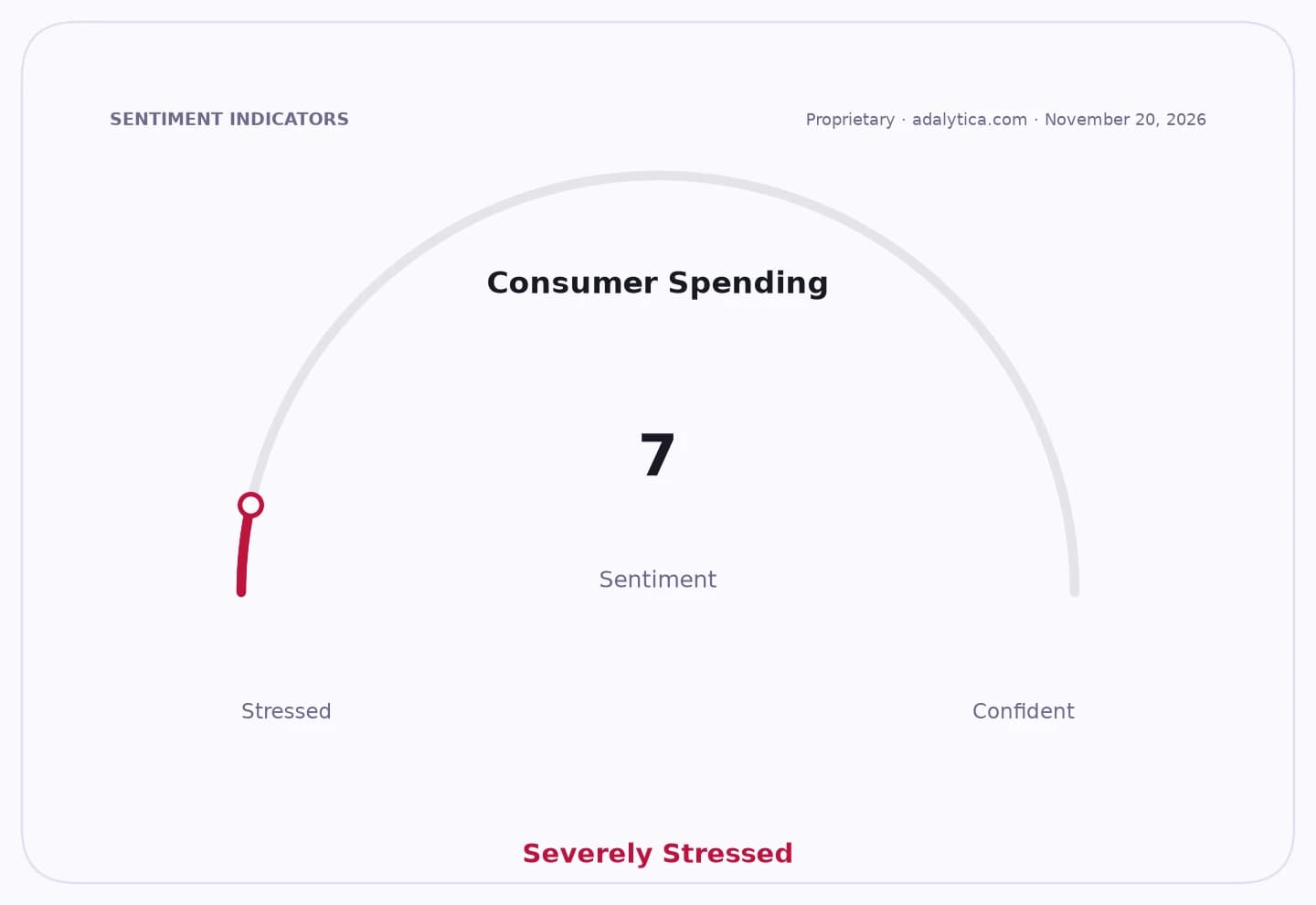
Sentiment Indicators
Oil WTI
The damage is visible in the numbers. Crude imports alone cost $19.5 billion in October, up from $10.4 billion a year ago, even though volumes rose only 11% to 23.3 million tonnes. Over April-October, India’s net oil and gas import bill climbed to $97.7 billion from $70.3 billion a year earlier, with crude import costs jumping to $111.0 billion as volumes rose just 2.7%.
This is the kind of shock investors underestimate until it hits earnings and policy. Higher oil costs can squeeze Indian refiners’ margins, pressure the current account and complicate the Reserve Bank of India’s room to maneuver if imported inflation bleeds into transport and food costs. It also reinforces why oil-importing countries are so sensitive to every escalation in Middle East risk and shipping disruption.
DCOILWTICO vs DGS10 — macro contextadalytica.com
Explore this data interactively — full history, time series and cross-market comparisons.
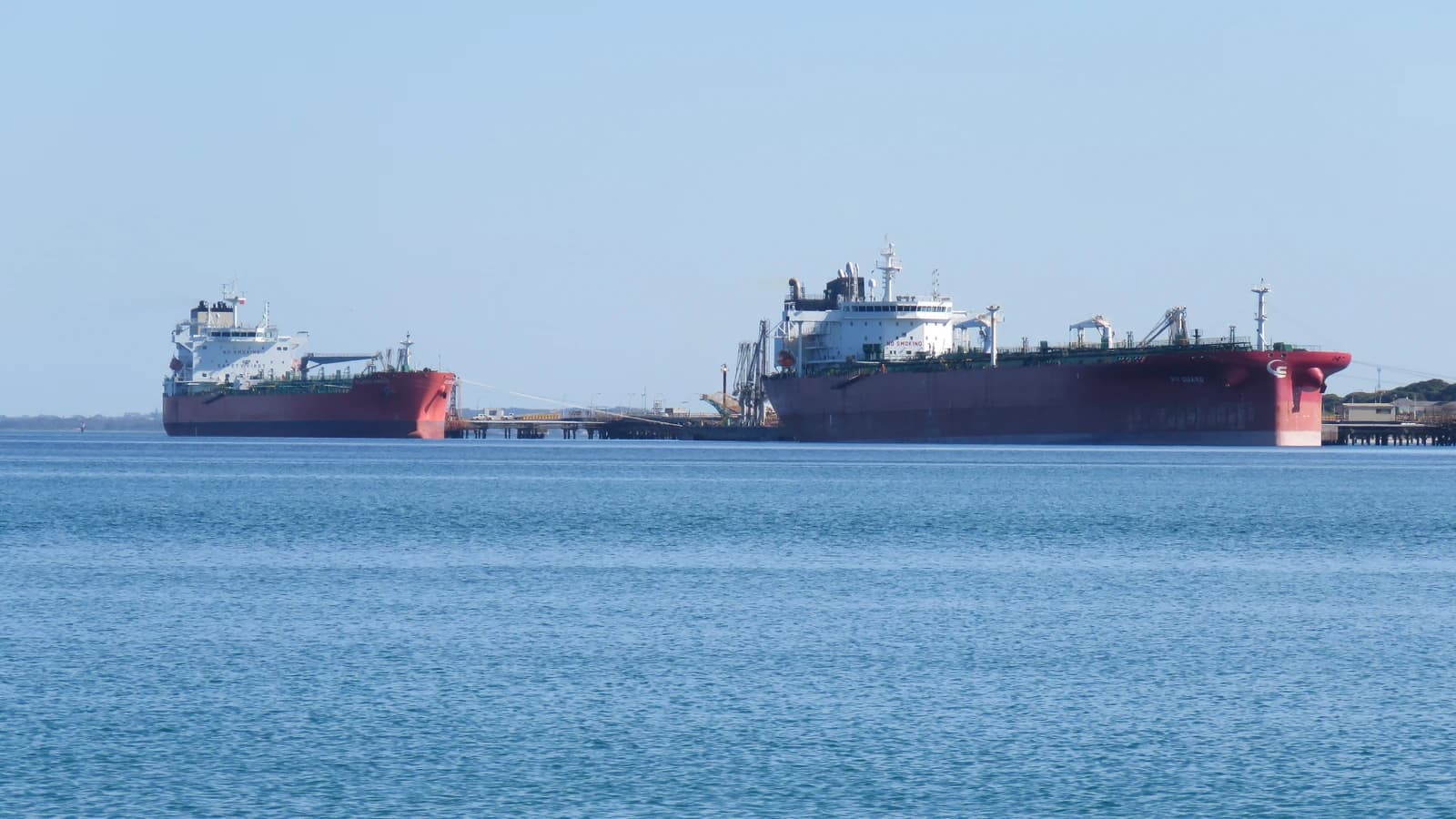
The latest move in crude prices comes against a fragile supply backdrop. Two tankers were attacked near the Strait of Hormuz, a reminder that freight, insurance and routing costs can rise even when benchmark prices look contained. That makes the import bill a bigger story than the spot price alone: India is paying not just for oil, but for geopolitical risk embedded in the delivery chain.
For investors, the winners are upstream producers, tanker operators and energy infrastructure names with pricing power. The losers are import-dependent economies, Indian refiners facing higher feedstock costs, and sectors that rely on stable fuel prices. If crude stays elevated, the next leg of this trade is likely to show up in stronger earnings for the oil complex and renewed pressure on emerging-market consumers.
The key takeaway is simple: India’s energy import shock is not a one-month anomaly, it is an earnings and macro story that can persist as long as crude stays expensive. Position for continued volatility in oil, but favor the companies that get paid when the world pays more to move energy.
| Entity | Gains | Losses |
|---|---|---|
| Upstream oil producers | ▲Higher realized prices | ▼Demand erosion risk |
| Tanker operators | ▲Higher freight rates | ▼Security costs |
| India’s refiners | ▲— | ▼Costlier crude feedstock |
| India’s economy | ▲— | ▼Wider trade and inflation pressure |