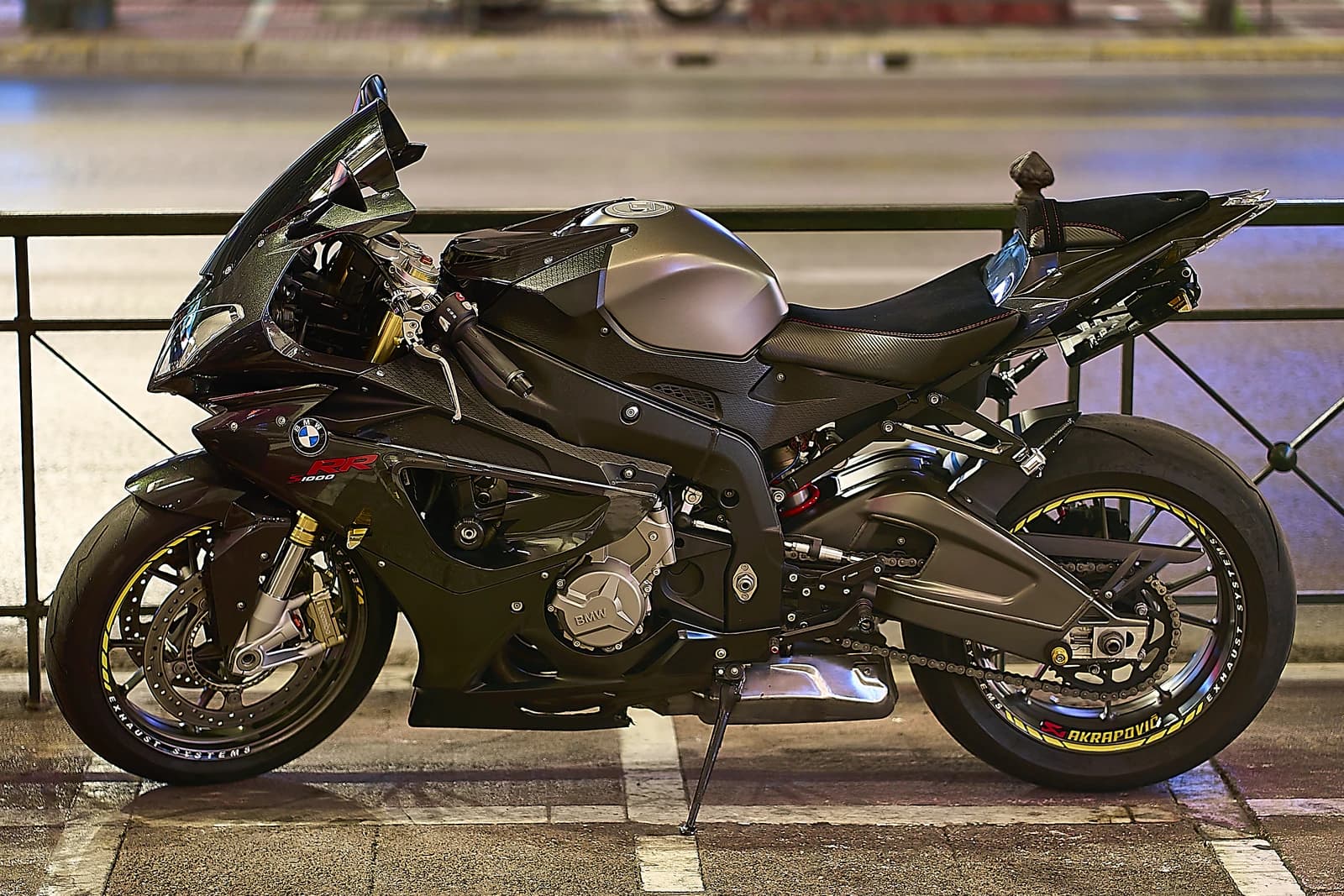
Rising petrol prices in India are making fuel efficiency a bigger purchase filter for two-wheeler buyers, and bikes priced below ₹1 lakh are emerging as the clearest hedge against higher monthly commuting costs.
India petrol prices lift demand for budget bikes
In Delhi, petrol is at ₹102.12 a litre, while Mumbai and Bengaluru are at ₹111.21 and ₹111.68, respectively, lifting the running cost for office commuters, delivery riders and other daily users. The result is a stronger focus on models that can deliver 70 kmpl or more and keep ownership costs low.
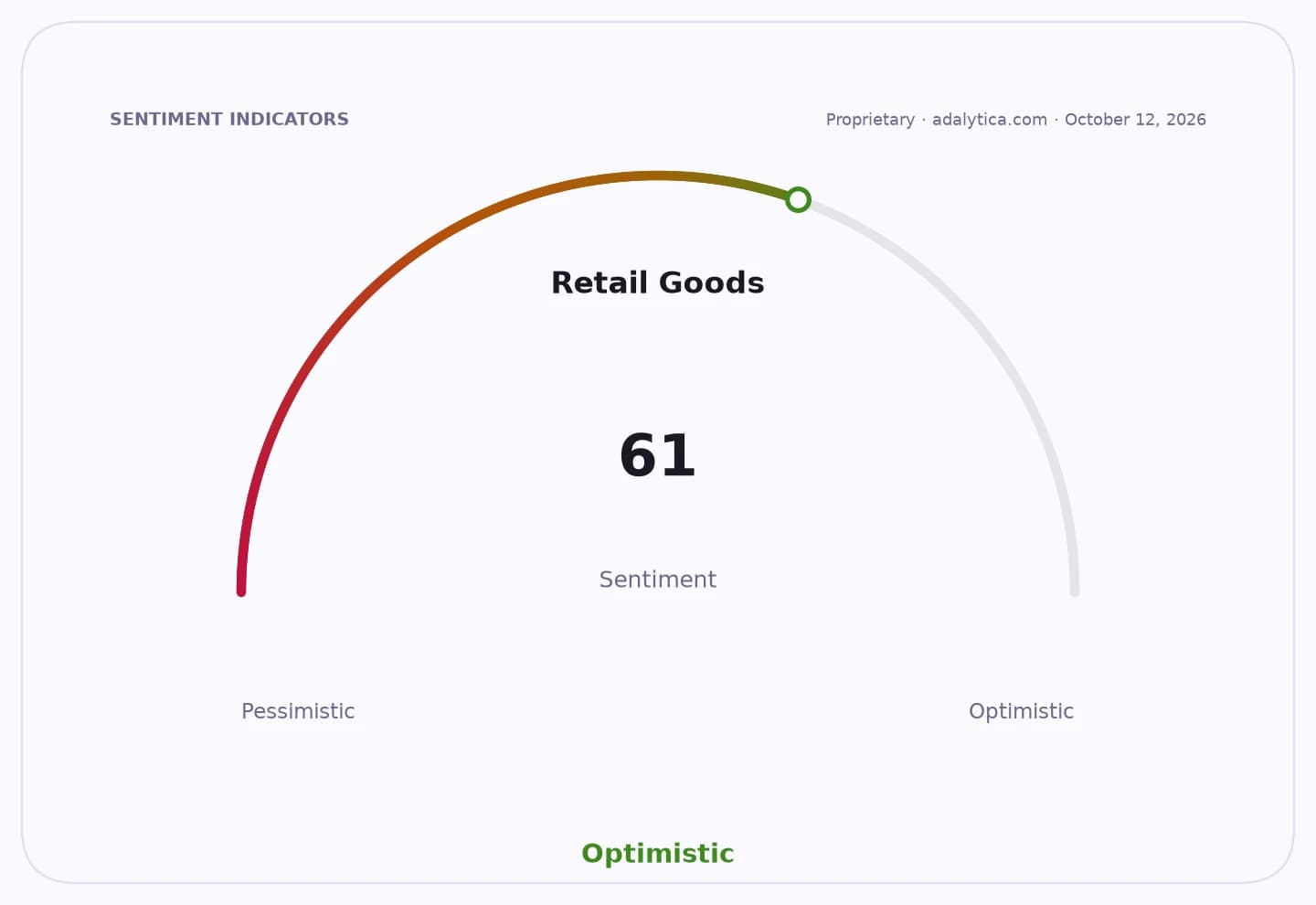
Sentiment IndicatorsⓘProprietary · adalytica.com · October 12, 2026
This is a snapshot — live sentiment, awareness and momentum for 130+ markets update continuously in the dashboard.Open AlphaPulse
Among the most relevant options are the Bajaj Platina 100, TVS Sport, Honda Shine 100 and Hero HF 100, with rider-reported mileage around 70 kmpl for the TVS Sport, 75 kmpl for the Platina and about 65 kmpl for the Shine 100 on road use. In practical terms, a higher-mileage bike can shave meaningful money off monthly fuel bills in cities where petrol is already above ₹111 a litre.
The economics also work in favour of budget buyers. A ₹70,000 on-road bike financed over 36 months at 9.5% would imply an EMI of about ₹2,499, while an ₹80,000 purchase at 10.5% would be roughly ₹2,922 a month, keeping many festive-season offers below the ₹3,000 threshold.
That matters for manufacturers as well as consumers. Hero, Bajaj, Honda and TVS are competing not just on sticker price but on warranty coverage, service costs and city mileage, with Bajaj offering up to five years or 75,000 km on the Platina and Hero extending warranties on some models to five years or 70,000 km.
On the market side, the preference for fuel-sipping commuter bikes also fits a broader consumer shift toward lower-cost transport and away from higher running-cost vehicles. Conventional technical indicators on Harley-Davidson’s U.S.-listed shares, which are only tangentially related through the broader two-wheeler theme, show the stock trading near its 50-day moving average with RSI readings in neutral territory, underscoring that investors are still waiting for clearer demand signals.
Honda’s next-generation e:HEV hybrid rollout and its plan to put the system into 15 models by 2030 also reinforce how auto makers are treating fuel efficiency as a competitive battleground. For buyers, the immediate catalyst is the festive-season discount window; for investors, the key question is whether persistently expensive fuel keeps supporting commuter-bike demand into the next quarter.
| Entity | Gains | Losses |
|---|---|---|
| Fuel-efficient bike makers | ▲Higher demand for commuter models | ▼Pressure on premium-bike mix |
| Daily riders and delivery workers | ▲Lower running costs | ▼Less choice outside budget segment |
| Petrol retailers | ▲Stable fuel volume | ▼Lower discretionary mileage demand |
| Consumers buying high-mileage bikes | ▲Smaller monthly EMIs and fuel bills | ▼Upfront feature compromises |