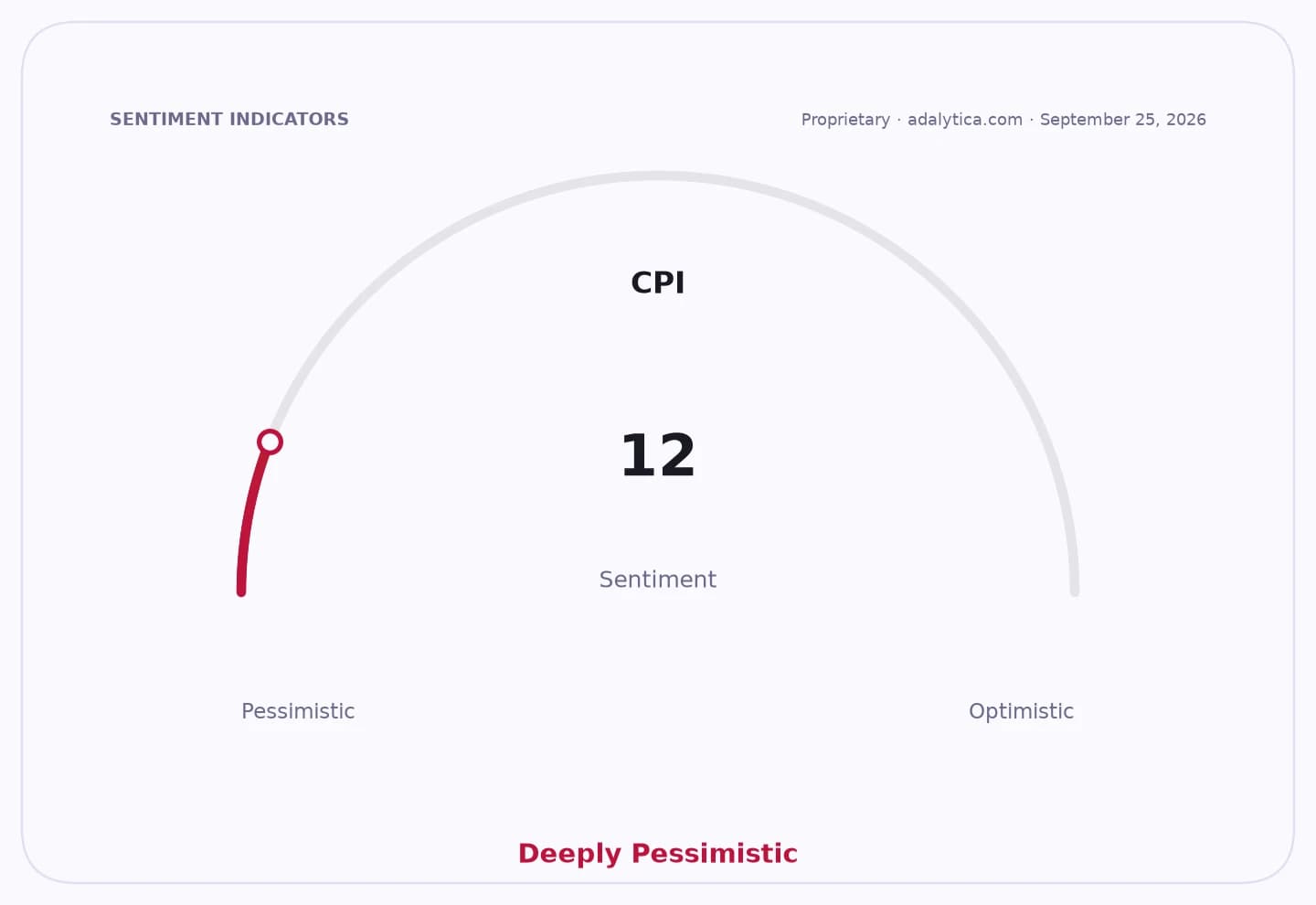
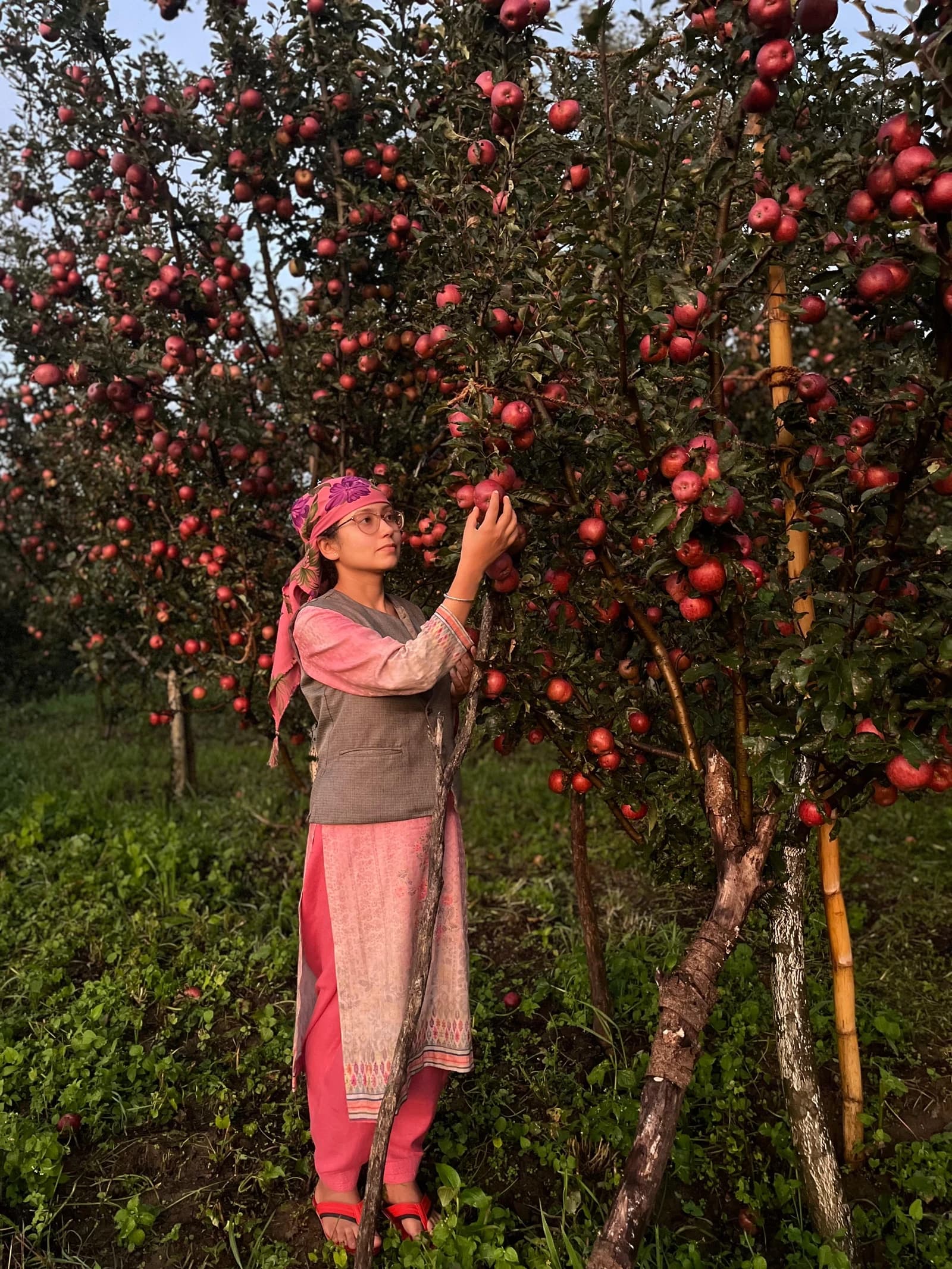
Premium desi rice is set to become more affordable in India, with more than 200 varieties expected to be sold at ₹50 to ₹80 below prevailing market prices, a move that could pressure grain traders and cool one of the most closely watched staples in the food basket.
India Premium Rice Prices Set to Ease
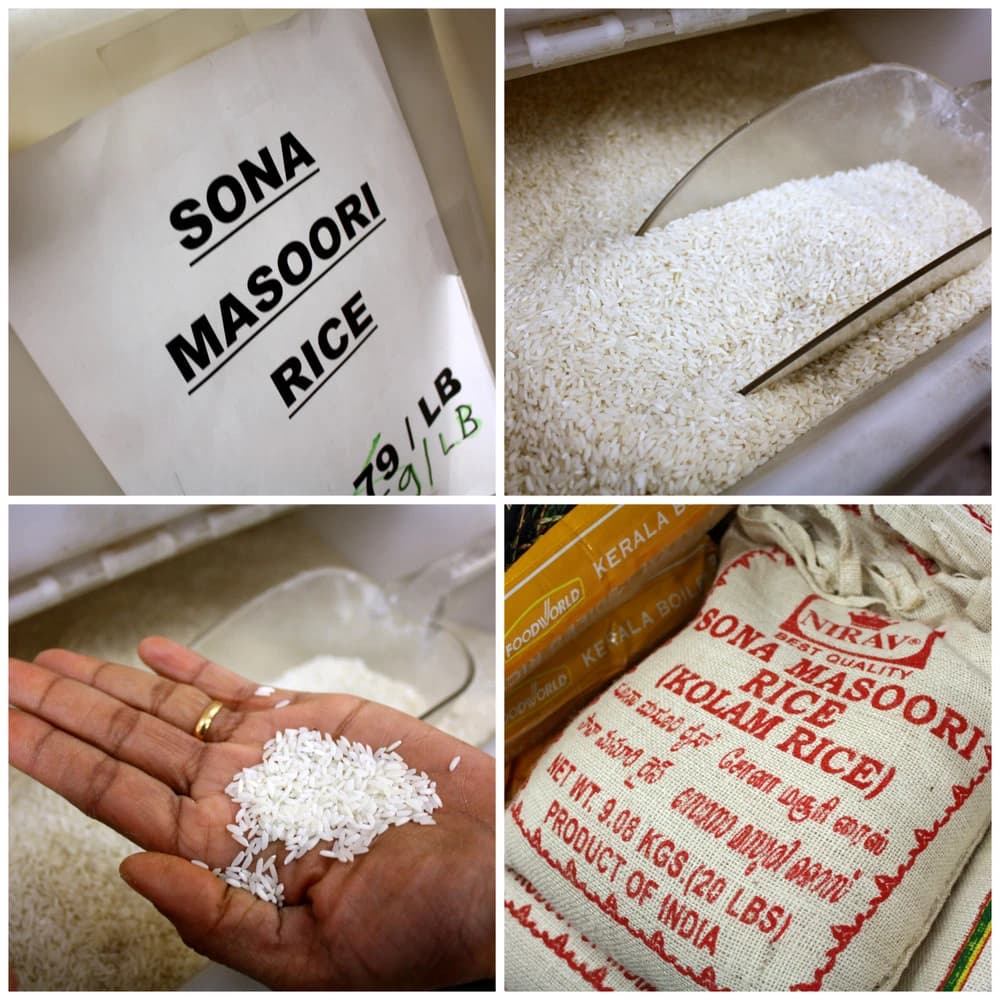
The discount matters because rice is not just a consumer staple in India; it is a politically sensitive price signal that feeds directly into household budgets, retail inflation and farm-gate economics. A lower tag on premium varieties suggests supply is improving enough to force sellers to compete more aggressively, even as farmers in some regions continue to face weak realizations and rising input costs.
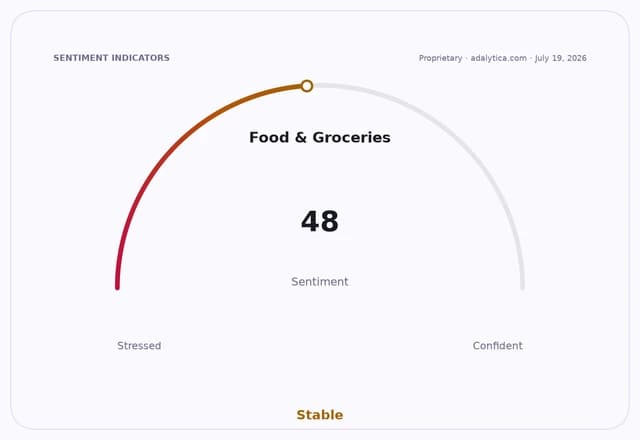
That tension is already visible in the broader commodity backdrop. U.S. grain benchmarks have been volatile, with corn and wheat futures trading in technically stretched ranges and then reversing as weather, supply and demand expectations shift. Standard technical indicators on both contracts have shown sharp swings in momentum, underscoring how quickly agricultural markets can repricing when inventories or weather assumptions change. For rice, the underlying message is less about a global rally and more about local abundance meeting soft demand.
The price cut also fits with a market that appears to have moved from shortage to surplus. Industry reports point to record private stockpiles by May, while governments and state agencies have stepped up distribution to prevent a sharper collapse in domestic prices. That combination is usually bearish for traders and millers holding inventory, but potentially positive for consumers and food retailers if the lower wholesale tone filters through to shop shelves.
For investors, the key question is whether this is a temporary discounting wave or the start of a more durable reset in the rice trade. If supplies stay ample, processors and distributors could see weaker margins and slower inventory gains, while companies tied to food retail and packaged staples may benefit from lower input costs and steadier demand. A sustained decline in rice prices would also ease pressure on food inflation, giving policymakers more room if broader price growth remains contained.
The bearish case is that the discount reflects oversupply and rising stock pressure, which can eventually squeeze farmer incomes and disrupt procurement economics. The bullish case is that lower prices improve affordability without requiring demand destruction, supporting consumption volumes and easing household inflation. Either way, the market is signaling that premium rice is no longer immune to pricing pressure.
What comes next will depend on procurement policy, export demand and weather. If monsoon conditions hold and inventories remain heavy, the discount could spread beyond premium desi varieties. If climate risks tighten supply later in the season, the current softness may prove temporary. For now, the story is straightforward: rice is getting cheaper, and that shift carries more weight for inflation, margins and market confidence than the size of the discount alone suggests.
| Entity | Gains | Losses |
|---|---|---|
| Consumers | ▲Lower grocery bills | ▼None immediate |
| Millers/Traders | ▲Faster inventory turnover | ▼Lower margins |
| Farmers | ▲Better demand for volume | ▼Weaker farm-gate prices |
| Food retailers | ▲Lower input costs | ▼Less pricing power |