India’s equity market was dragged sharply lower on Tuesday as a global risk-off move rippled through Asian bourses, with the Sensex falling more than 700 points and the Nifty closing below 24,000 for the first time in the latest leg of the selloff.
India Selloff Deepens as Global Risk Appetite Fades
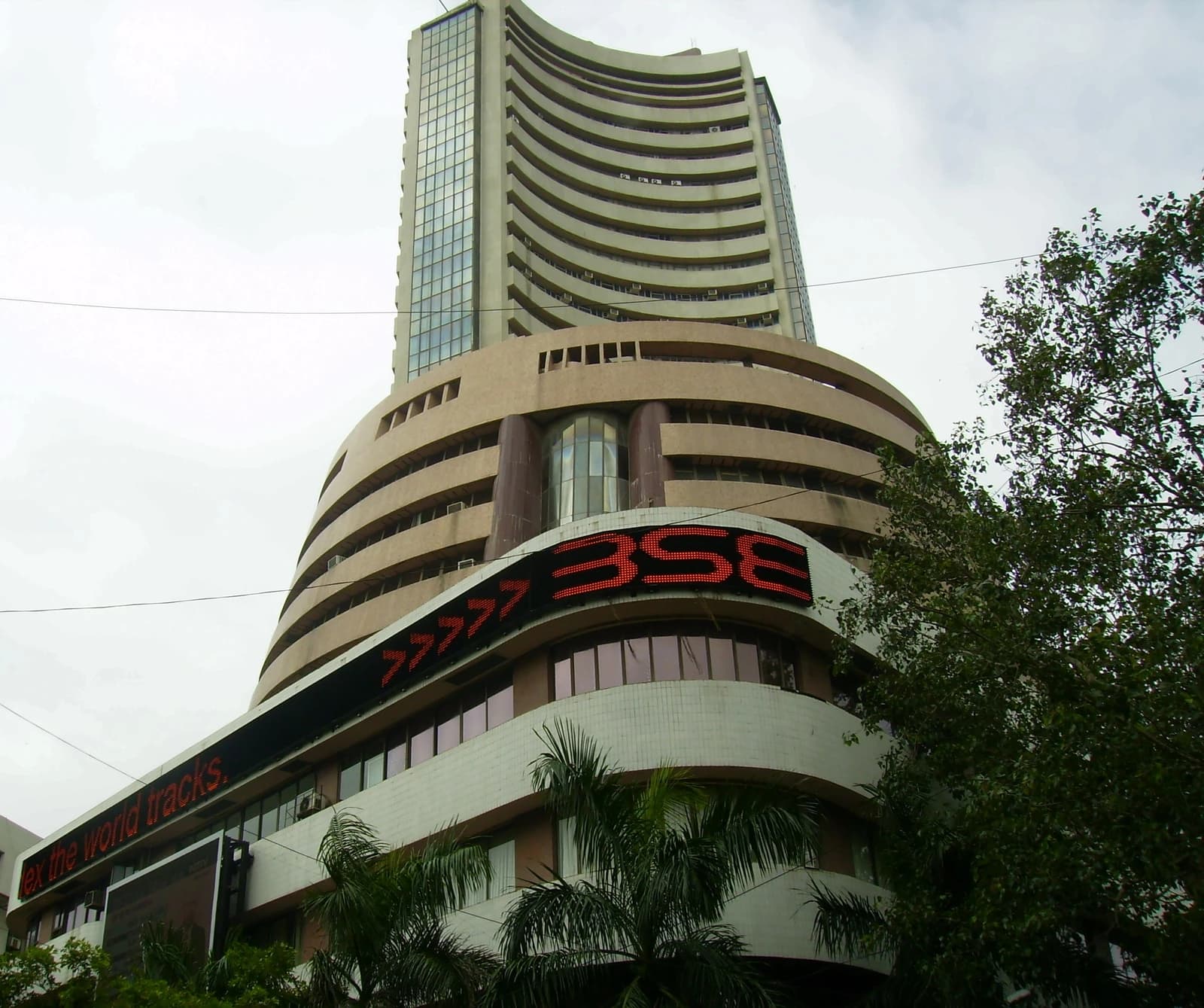
The decline matters because it is not being driven by one-off domestic headlines. Instead, it reflects a broader repricing of risk across assets as U.S. technology shares weaken, the dollar strengthens and volatility rises, conditions that typically pressure emerging-market equities and foreign inflows. For India, where valuations have often screened rich relative to regional peers, that combination can quickly turn a routine pullback into a sharper de-rating.
Sentiment IndicatorsⓘProprietary · adalytica.com · July 22, 2026
This is a snapshot — live sentiment, awareness and momentum for 130+ markets update continuously in the dashboard.Open AlphaPulse
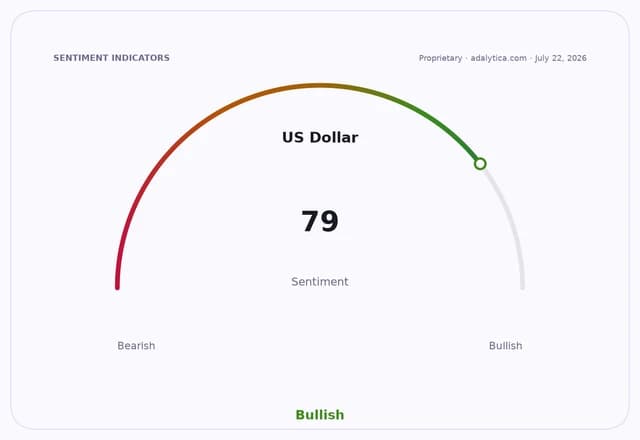
The Nifty finished at 23,996.25, down from 24,187.70 the previous session, while the Sensex closed at 76,755.05 versus 77,470.11 on Monday. The moves came as the U.S. dollar showed strong trade signals from Adalytica.com, while FX volatility registered “extreme fear” and Treasury bonds also remained under stress, a mix that usually supports the greenback and weighs on risk assets. Adalytica’s S&P 500 trade signals were neutral but still showed a recent deterioration in momentum, underlining how fragile sentiment has become.
The Indian market’s technical backdrop has also weakened. The Nifty is now below its 200-day moving average and has lost momentum after failing to hold recent gains above 24,000, while the Sensex remains well below its own 200-day average. The Nifty’s relative strength index fell to 45.3, a neutral reading that nevertheless points to fading upward pressure after a recent rebound. The Sensex RSI slipped to 44.5. Neither index is in oversold territory yet, which suggests the market may still have room to fall if global selling intensifies.
The immediate catalyst appears to be an overseas slump rather than a domestic earnings shock. Wall Street opened sharply lower amid a widening technology selloff, with weak results from Netflix and fresh pressure on chip and software stocks adding to caution. That matters for India because foreign investors tend to treat the market as part of a broader emerging-market and global growth trade; when U.S. equities and tech lose altitude together, capital often retreats to cash, the dollar or defensive assets.
For investors, the key question is whether this is a short, sentiment-driven correction or the start of a broader valuation reset. The bull case for Indian equities remains intact on long-term growth, domestic liquidity and resilient corporate earnings. But the bear case is that India’s premium valuations are vulnerable when global liquidity tightens and overseas investors have less appetite for emerging-market risk. In that scenario, the market could remain range-bound or lower until there is evidence that U.S. tech selling is stabilizing and the dollar is peaking.
The next leg will likely hinge on three factors: whether global equities find support, whether foreign flows into Indian shares slow further, and whether domestic defensives can offset pressure in financials, IT and other index heavyweights. Until then, the latest drop suggests India is still being traded less as a standalone story and more as part of a synchronized global de-risking.
| Entity | Gains | Losses |
|---|---|---|
| Cash and dollar bulls | ▲Higher relative safety | ▼None in the near term |
| Indian exporters | ▲Potential FX tailwind | ▼Broad equity derating |
| Foreign equity sellers | ▲Easier risk reduction | ▼Miss any rebound |
| Domestic equity longs | ▲Possible dip-buying | ▼Mark-to-market losses |