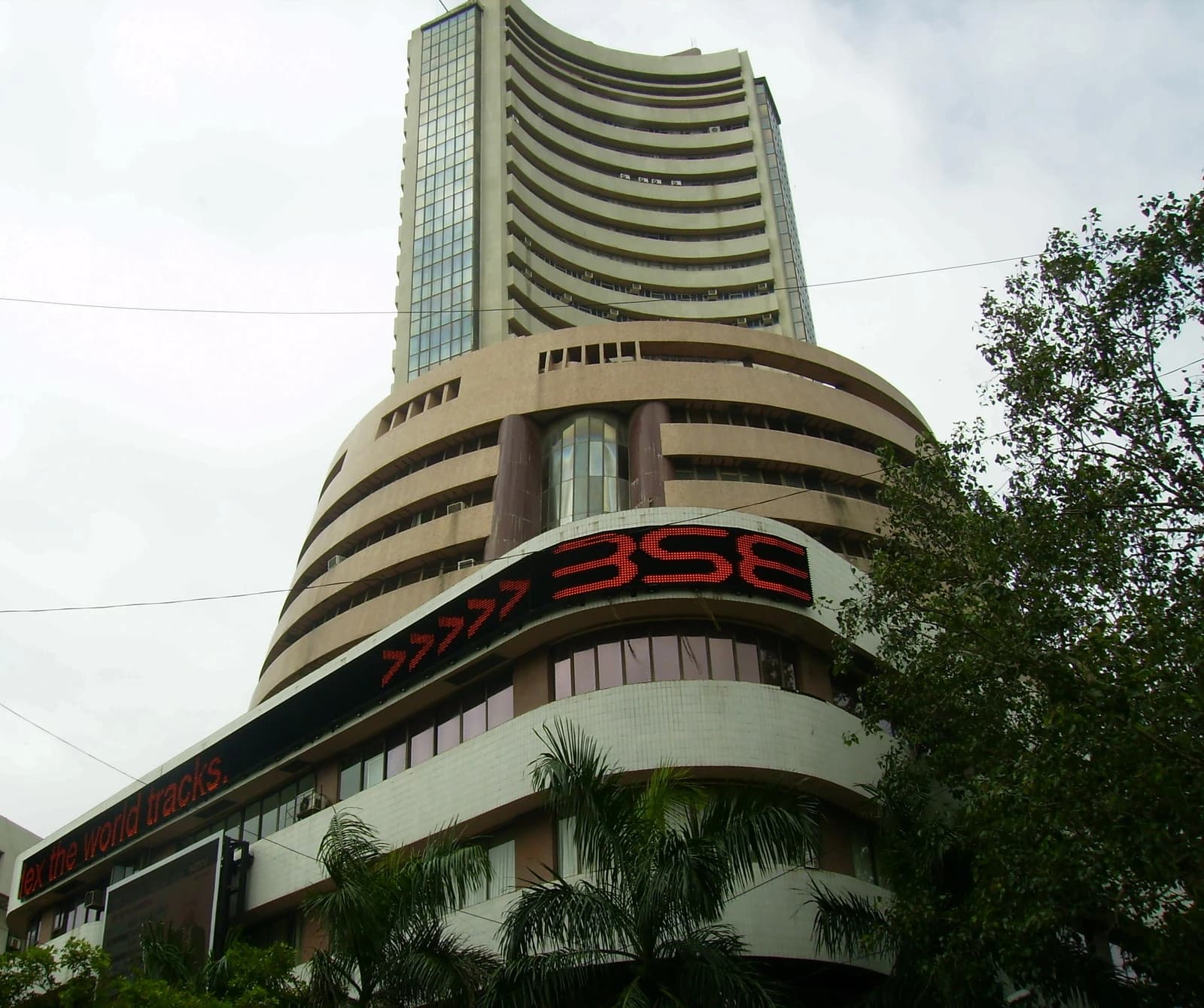
India’s short-term government borrowing costs just jumped to their highest premium over the central bank’s policy rate in four years, underscoring how quickly traders are pricing a more aggressive RBI tightening cycle.
India T-bill yields rise above RBI policy rate
That matters because the move is more than a technical auction result: it shows money markets are getting ahead of policy, and that usually spills into the cost of capital across the economy. When treasury bill yields rise above the repo rate by this much, it means investors want more compensation for lending to the government at the front end, typically because they expect the RBI to keep hiking, or at least stay restrictive for longer.
Sentiment IndicatorsⓘProprietary · adalytica.com · October 15, 2026
This is a snapshot — live sentiment, awareness and momentum for 130+ markets update continuously in the dashboard.Open AlphaPulse
The trigger was the RBI’s first rate increase in nearly four years last week, along with a shift in stance that left the door open to more tightening. Governor Sanjay Malhotra then reinforced that message by saying monetary policy cannot be viewed in isolation from financial stability, a line the market read as another hawkish signal. The result was a sharper repricing at auction, where short-dated government paper sold at a premium to policy that reached a four-year high, Reuters reported.
For investors, the immediate implication is that India’s front end is no longer a low-risk carry trade. Treasury bills, money-market instruments and other short-duration assets are likely to remain sensitive to every policy comment, while rate-sensitive equities — especially consumption names, leveraged borrowers and interest-dependent sectors — face a tougher valuation backdrop. The move also raises the bar for corporate funding and could keep pressure on banks and non-bank lenders if deposit and lending rates reset higher.
This is also part of a broader global tightening narrative. Hotter-than-expected US inflation has revived expectations of another Federal Reserve hike, lifting the dollar and pushing up yields worldwide. That external backdrop gives the RBI less room to pause quickly, especially if it wants to defend financial stability and prevent imported inflation from reaccelerating.
The market is still underestimating how long this higher-rate regime can last. If the RBI stays cautious and global yields remain elevated, India’s short-end rates could stay pinned above the policy rate for longer than consensus expects. That creates a selective opportunity: underweight rate-sensitive domestics, stay cautious on long-duration bonds, and look for beneficiaries of sustained yield normalization rather than betting on an early easing cycle.
| Entity | Gains | Losses |
|---|---|---|
| RBI / policy hawks | ▲Tighter financial conditions | ▼None in the near term |
| Short-term bondholders | ▲Higher yields on bills | ▼Price volatility |
| Borrowers / rate-sensitive sectors | ▲— | ▼Higher funding costs |
| Banks and lenders | ▲Wider repricing opportunities | ▼Slower credit demand |