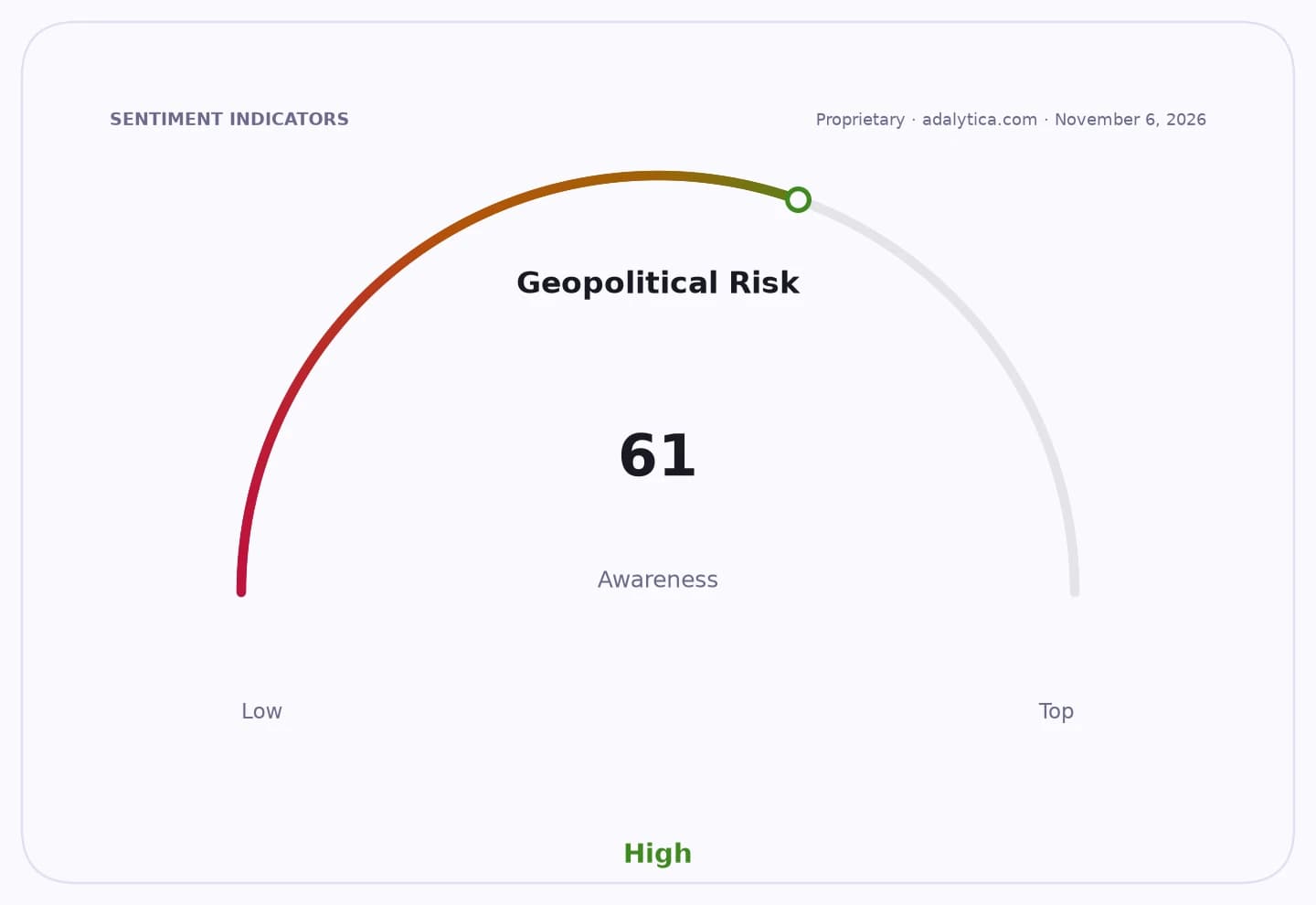
A Democratic takeover of the US House in November could give India a partial shield against Donald Trump’s most erratic trade moves, even as it is unlikely to spare New Delhi from sanctions pressure over Russian oil.
India trade risk and Democratic House outcome
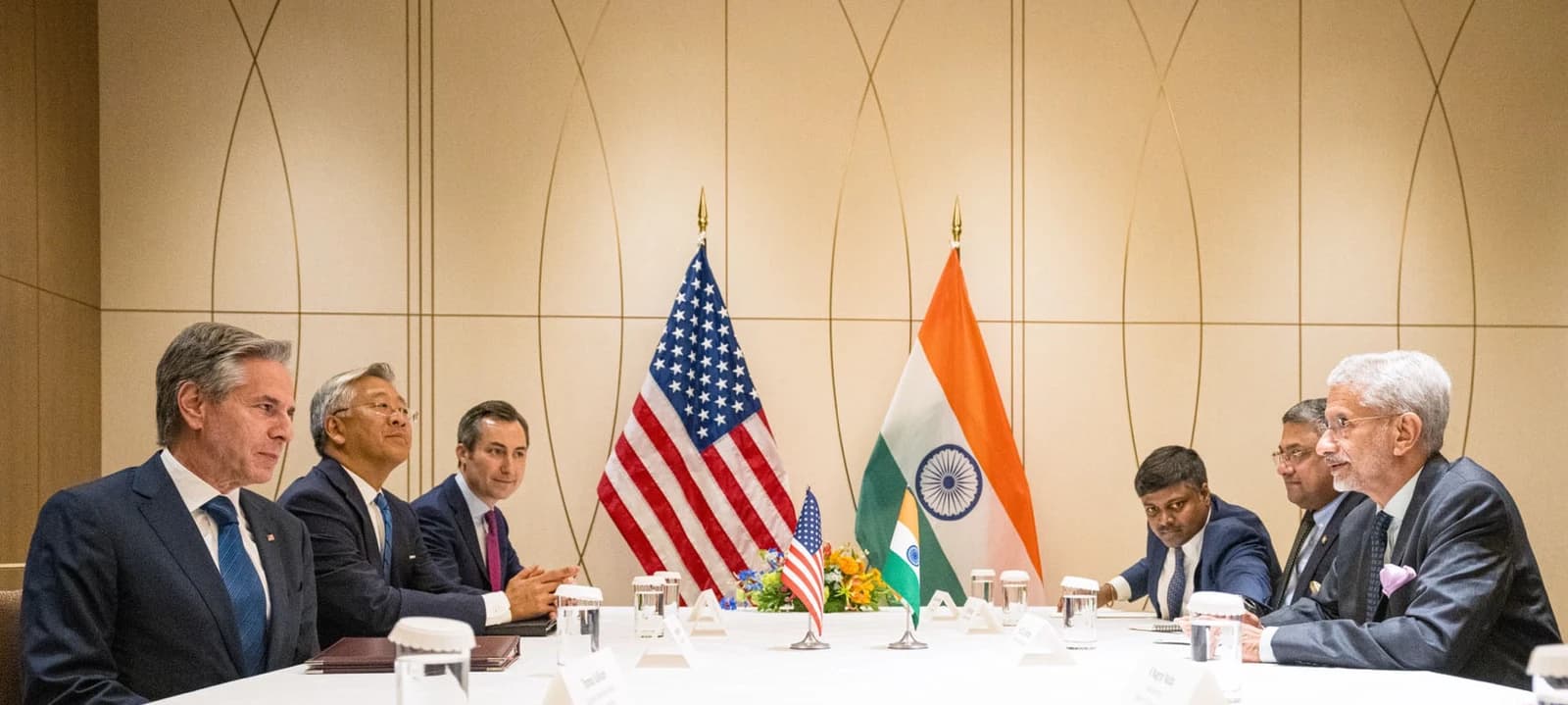
The economic stakes are broader than the partisan optics. For India, the United States is still a critical market, technology partner and defence supplier, but Washington’s return to tariff-heavy, transaction-by-transaction diplomacy has increased the risk premium on bilateral trade. A divided Congress would not rewrite the president’s foreign policy powers, yet it could narrow the room for unilateral tariff escalation and create a legislative brake on the White House at a time when Indian exporters are already navigating a more hostile US trade environment.
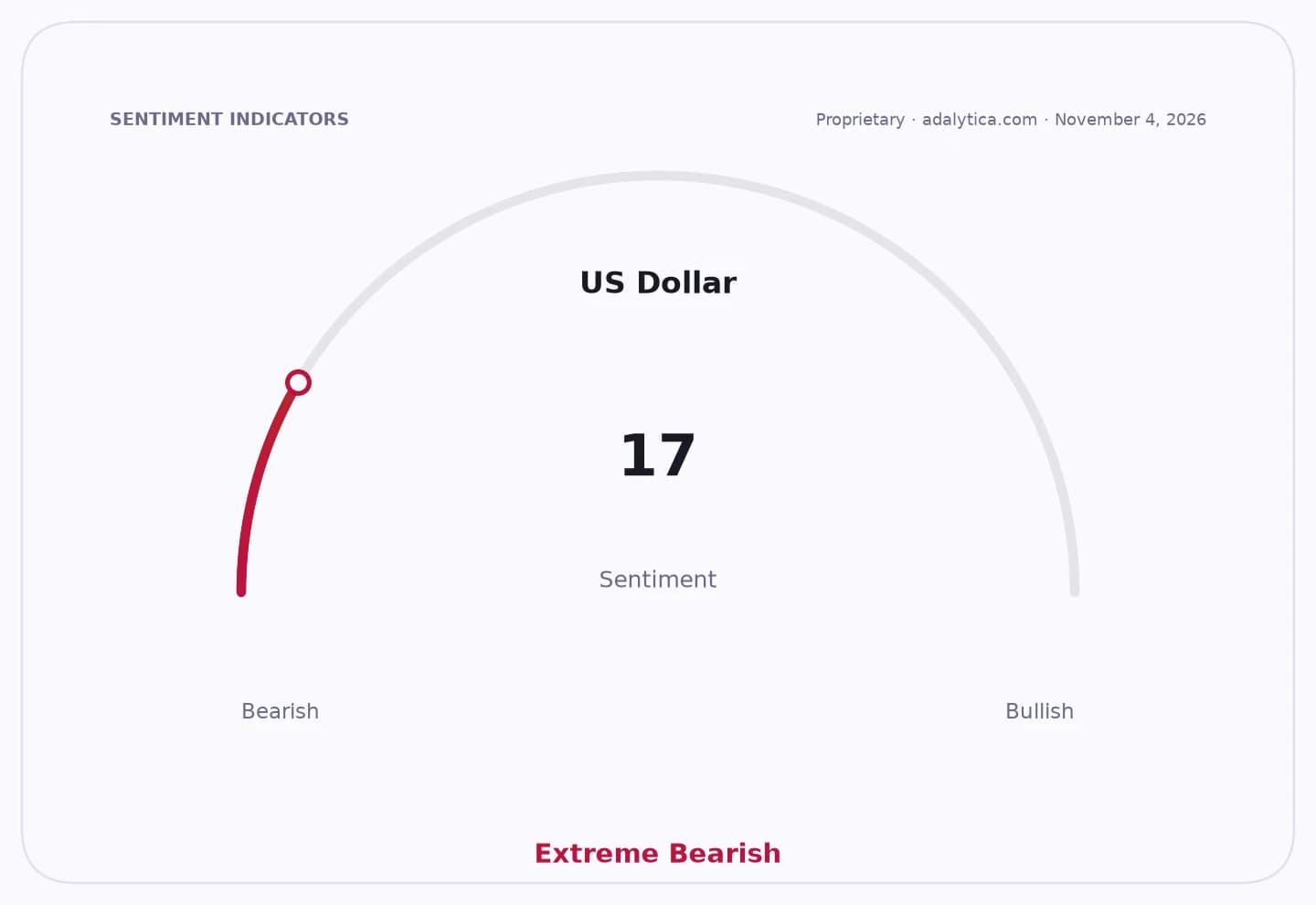
Sentiment Indicators
That matters because India has spent much of the past decade assuming that America’s competition with China automatically made it a strategic beneficiary. The current US approach has exposed the limits of that assumption. Indian officials, including Foreign Minister S Jaishankar, have publicly signalled frustration over what they see as Washington’s self-interested trade policy and softer line on Pakistan. At the same time, India has kept options open with China, holding border talks in Beijing in August and agreeing to continue negotiations. The result is a more fluid geopolitical balance in which New Delhi is seeking leverage from every major relationship, rather than relying on any one of them.
For investors, the key question is whether a Democratic House would improve predictability. In trade, the answer is probably yes, but only at the margin. Democrats are generally more skeptical of unilateral tariffs and more likely to support legislative oversight of executive action. That could help Indian exporters and US companies with exposure to India by reducing the odds of a fresh tariff shock. The Reuters-Bloomberg-style market read-through would be modestly positive for India-focused assets, particularly if it lowers headline risk around the long-delayed bilateral trade deal now under discussion with US Trade Representative Jamieson Greer.
The support is not unconditional. On sanctions, Democrats are unlikely to be more forgiving. The House has already advanced legislation allowing tariffs of up to 100% on buyers of Russian oil, and bipartisan backing for tougher Russia measures suggests India will face continued pressure over discounted crude purchases. That is where the paradox lies: a Democratic House could be friendlier to India on trade architecture while being just as hard-nosed, or even harder, on sanctions compliance. For Indian refiners and energy importers, that keeps a major policy overhang in place.
Market action already reflects the tension. India-tracking US-listed fund INDA was recently trading below both its 50-day and 200-day moving averages, with RSI readings slipping into oversold territory, suggesting investors have trimmed exposure after a volatile stretch. By contrast, Microsoft, which has cited tariffs and shifting export controls as potential cost pressures, remains far more resilient, underscoring how large US multinationals can absorb policy noise better than India-sensitive trades. Pfizer and other healthcare names with global supply chains also remain exposed to tariff and regulatory shifts, which means any congressional check on White House trade policy would be welcomed more broadly by multinationals.
The macro backdrop is also less forgiving than it was in prior election cycles. The US 10-year Treasury yield is hovering around 5.3%, while the 2-year sits near 4.8%, a level that reinforces tighter financial conditions and makes policy uncertainty more costly for cross-border capital flows. Against that backdrop, any reduction in trade volatility could matter for risk appetite, especially for emerging-market assets tied to India’s growth story.
Still, investors should not overread the midterms as a clean bullish catalyst for India. Trump would retain significant executive authority even if Democrats captured the House, meaning tariff threats could remain a live negotiating tool. India’s best-case outcome is not a reset in relations, but a more constrained US policy process that makes sudden swings less likely. In practical terms, that would be good for Indian exporters, foreign investors and multinational firms with supply chains tied to the subcontinent. The bigger risk is that sanctions pressure on Russian oil becomes the enduring point of friction, limiting how far any post-election relief can go.
| Entity | Gains | Losses |
|---|---|---|
| India exporters | ▲Less tariff shock risk | ▼Less policy certainty than a full deal |
| Democratic House | ▲Legislative leverage | ▼Limited control over Trump’s foreign policy |
| Indian refiners | ▲Continued Russian crude flows | ▼Sanctions and tariff threats |
| US multinationals | ▲More predictable trade rules | ▼Higher compliance and lobbying costs |