US lawmakers have turned years of diplomatic pressure into a trade penalty threat, explicitly naming India in a bipartisan Russia sanctions bill that would punish countries continuing to buy significant volumes of Russian energy.
India faces US tariff threat over Russian oil
That matters because it changes the cost-benefit calculation for New Delhi. Buying discounted Russian crude has helped cushion India’s import bill since the Ukraine war, but the new legislation would link that choice to punitive US tariffs — a far more direct threat to exporters, jobs and corporate margins than the verbal warnings India has mostly brushed aside until now.
Sentiment Indicators
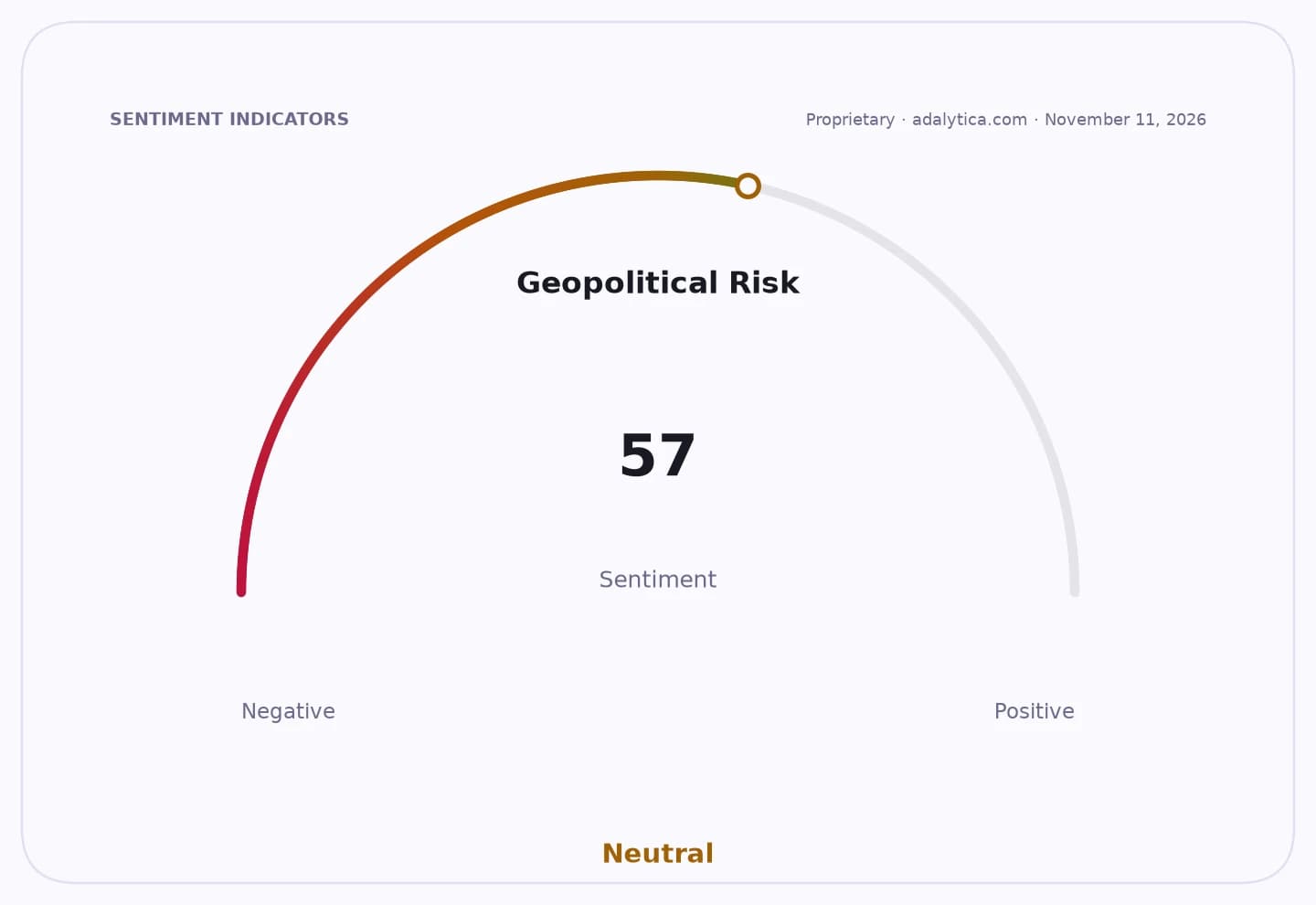
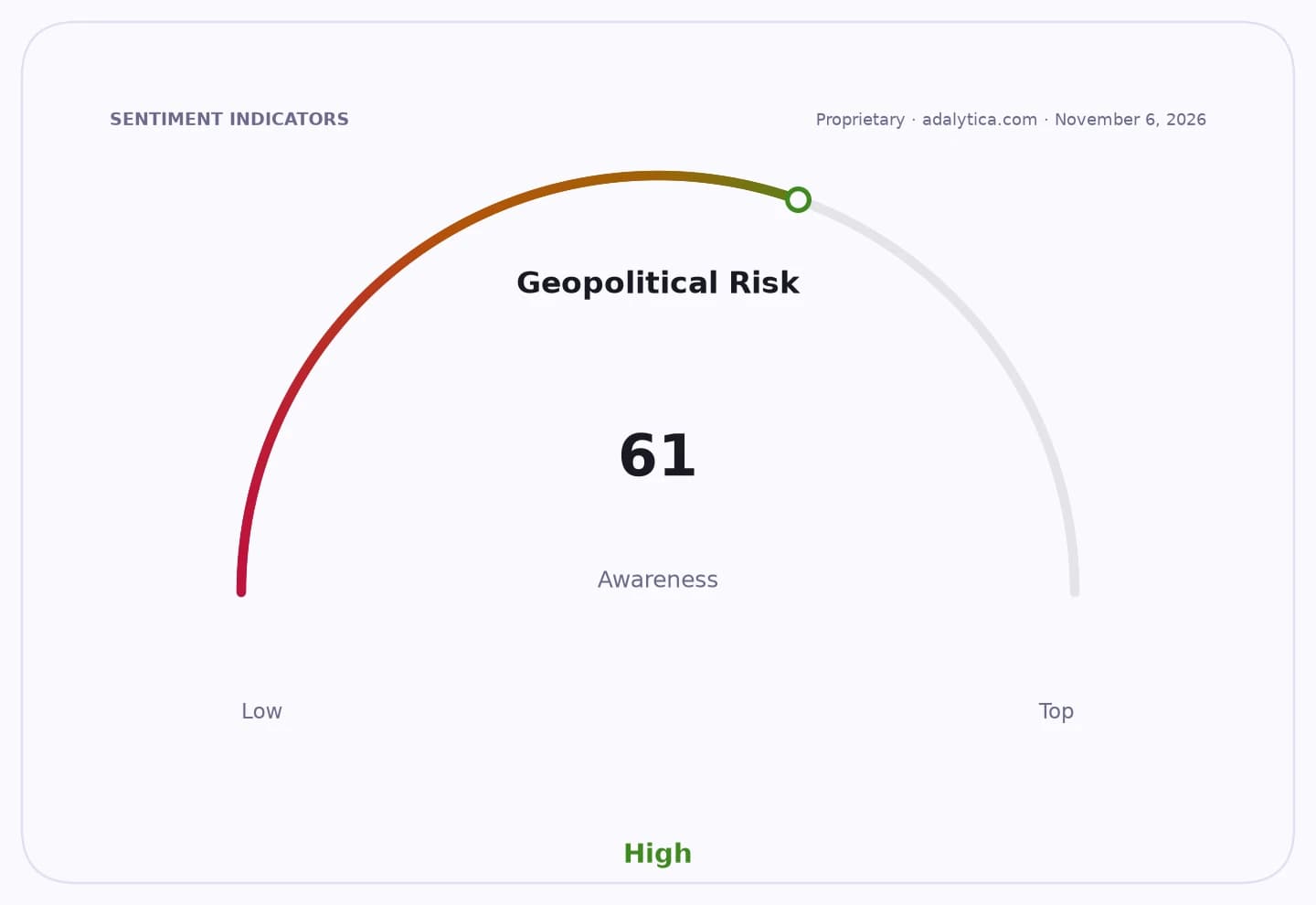
Geopolitical Risk
The bill’s significance is not the oil trade alone, but the leverage it creates over a much larger economic relationship. India’s bilateral trade with the US exceeded $190 billion last fiscal year, according to the data provided, while Russian crude purchases have risen from under 2% of India’s imports before the war to roughly 35% to 40% in recent years. That makes the tariff math increasingly one-sided if Washington follows through.
For investors, the immediate question is whether the threat stays rhetorical or becomes operational. A formal bill, agreed with the Trump White House, is harder to dismiss than a sanctions warning from the executive branch. If passed, it would raise risks for Indian exporters in sectors with heavy US exposure, including IT services, pharmaceuticals and textiles, while also pressuring refiners and shipping chains tied to Russian barrels.
Geopolitical Risk — 30-day sentimentadalytica.com
Explore this data interactively — full history, time series and cross-market comparisons.
The market angle is broader than India alone. Higher tariffs would land at a time when oil markets remain sensitive to sanctions, supply routes and shipping risk, with US crude proxy USO already volatile and dollar strength reinforcing global financing pressure. India has long argued that its purchases reflect commercial necessity and energy security, but Congress is effectively asking whether that autonomy is worth paying for in access to its largest external market.
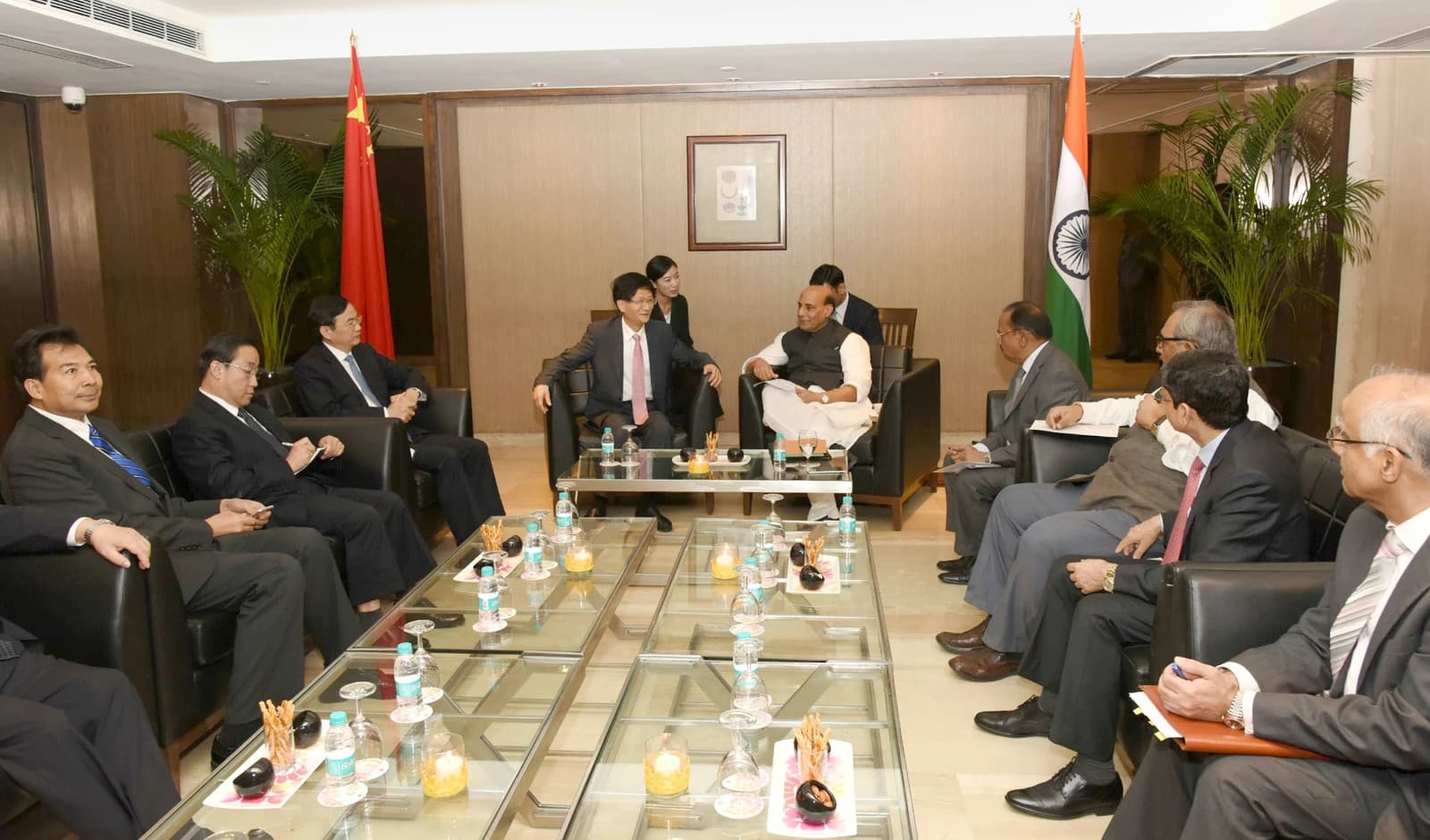
The deeper narrative is that India’s multi-alignment strategy is moving from diplomacy into price discovery. New Delhi has spent four years balancing Russian energy imports, US strategic ties and its own domestic energy needs. Washington is now attaching a dollar value to that ambiguity.
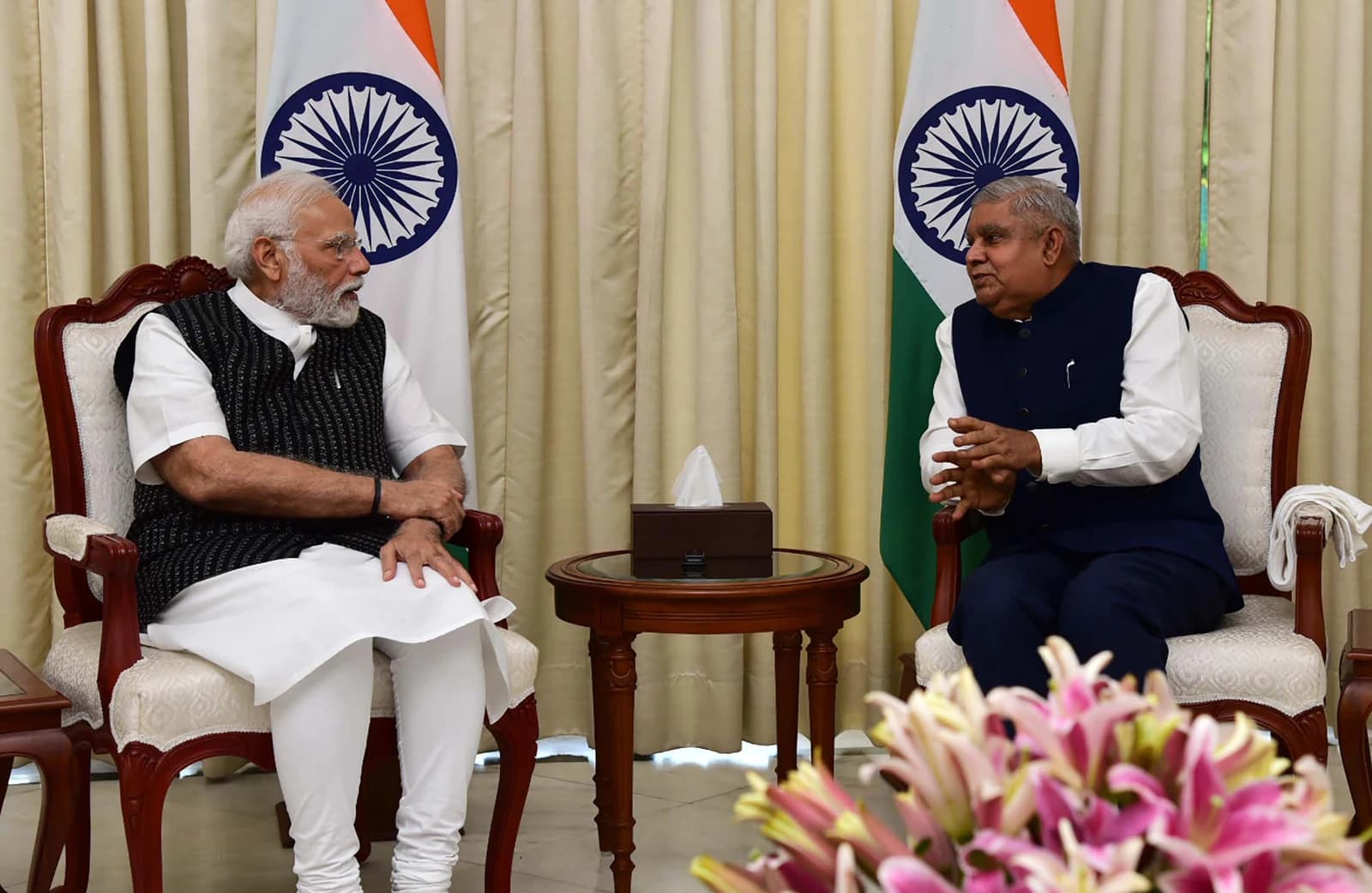
A likely response is quiet recalibration rather than open confrontation. India can trim Russian crude dependence, diversify suppliers and seek carve-outs, while preserving the broader US relationship. But the bill shows that the room for strategic hedging is shrinking. For Modi’s government, the risk is not just higher tariffs — it is being forced to choose, more visibly than before, between discounted energy and export access.
| Entity | Gains | Losses |
|---|---|---|
| US Congress / White House | ▲Leverage over India | ▼Diplomatic ambiguity |
| India refiners / importers | ▲Cheap Russian crude | ▼Tariff exposure |
| Indian exporters | ▲Possible carve-out | ▼US market access |
| Russia | ▲Oil sales outlet | ▼Sanctions pressure |