India and the United States are trying to move past political friction and turn a long, often awkward relationship into something more economically durable, even as New Delhi pushes back against Washington's historical claims and present-day pressure.
India, US Trade Deal Talks Advance

That tension is not just about diplomacy or social media sparring. For investors, the bigger story is that India and the US are still working toward the first phase of a trade agreement, with Commerce Minister Piyush Goyal saying the legal drafting is underway and the pact will be operationalized once India secures a competitive advantage. In other words, both sides want the commercial upside, but India is signaling it will not sign away leverage simply to make a deal happen.
The debate over whether the relationship is 234 years old may make for sharp headlines, but the economic narrative matters more. The US Embassy’s attempt to celebrate early commercial links, including the appointment of Benjamin Joy and a claim that Indian exports to the US rose more than 435% between 1795 and 1804, is a reminder that trade has always sat at the center of this partnership. Today, that history is being reused to support a more modern objective: deeper market access, steadier supply chains and a more predictable policy framework for companies on both sides.
That is why the trade talks matter to investors. A deal that improves market access for Indian goods, reduces tariff uncertainty and strengthens bilateral cooperation could support sectors tied to exports, manufacturing and logistics. It would also reinforce India’s pitch as a long-term alternative production base for global companies seeking to diversify away from concentrated supply chains. If the agreement includes practical rules on tariffs and compliance, as Indian officials have suggested, it could add incremental value for firms exposed to cross-border trade rather than changing the investment case overnight.
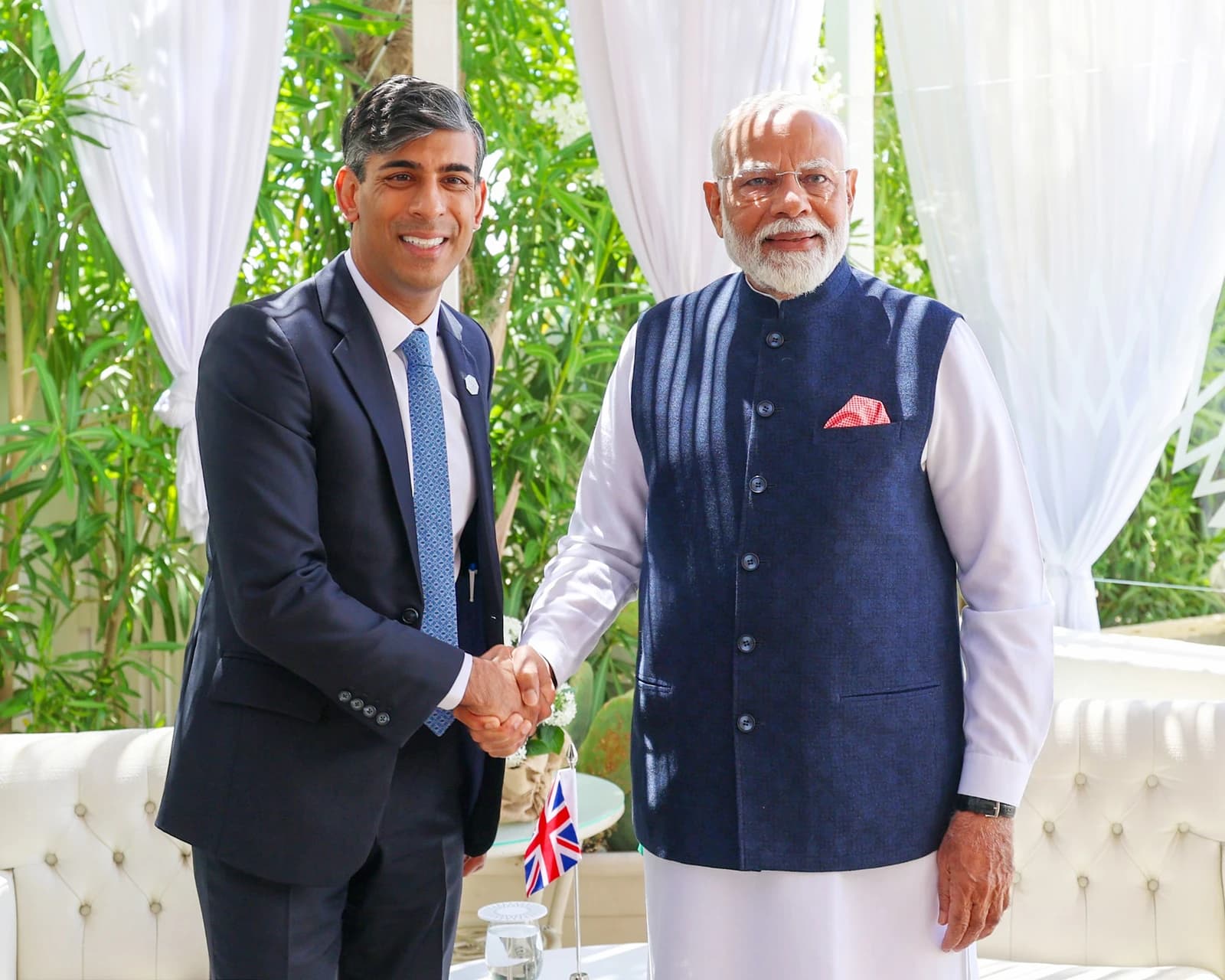
The broader backdrop is important too. India is simultaneously deepening trade engagement with the UK, talking up relations with China and keeping channels open with Canada, showing that New Delhi wants flexibility rather than dependence on any single partner. That approach may frustrate Washington at times, but it also makes India more relevant as a negotiation partner. For long-term investors, that usually points to a country trying to extract better terms from globalization, not step away from it.
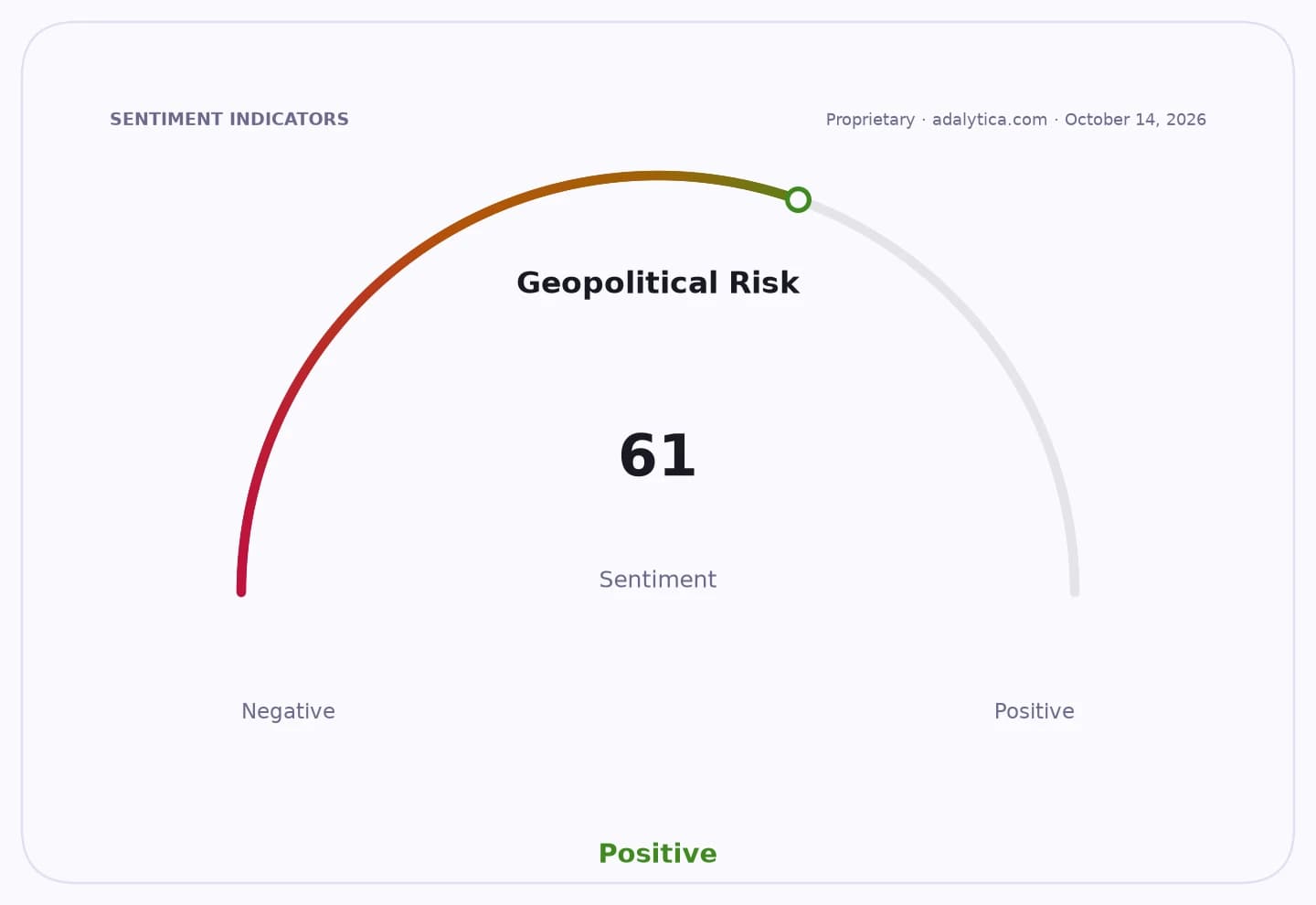
The near-term risk is that political noise, tariff disputes or domestic pressure in either country slows the deal. But the direction is clear: India wants trade agreements that improve competitiveness, not just symbolism. If Washington accepts that, the relationship could move from historical messaging to something far more valuable — a stronger commercial corridor that supports earnings, capital flows and India’s long-term growth story. For investors, this is worth watching closely and keeping on the long-term radar.
| Entity | Gains | Losses |
|---|---|---|
| India exporters | ▲Better market access | ▼Tariff uncertainty |
| US companies | ▲Larger India opportunity | ▼Need to accept tougher terms |
| Indian government | ▲More trade leverage | ▼Pressure to compromise |
| Global investors | ▲Clearer growth visibility | ▼Delay in deal execution |