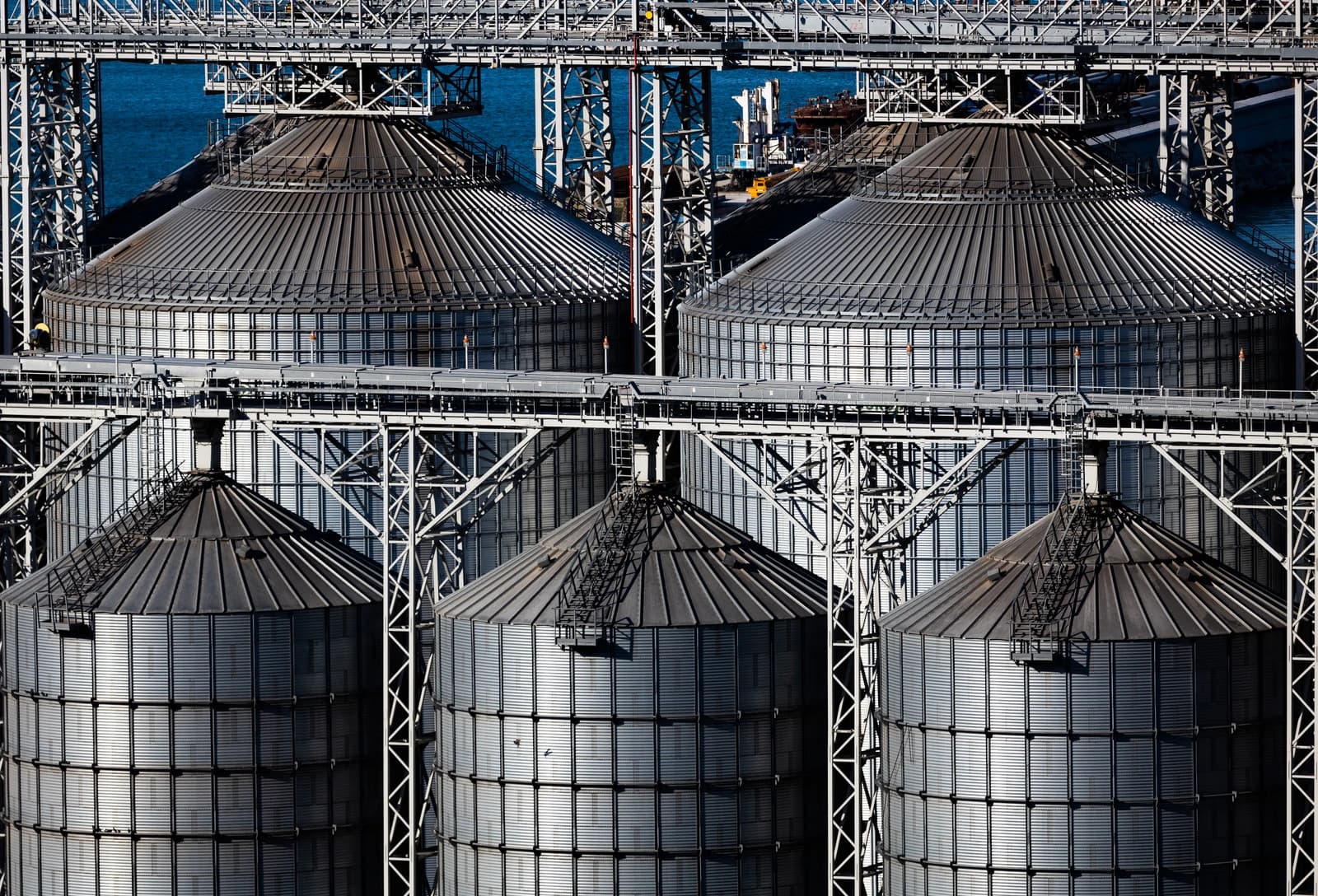
India has lifted its four-year ban on wheat exports, a policy reversal that could add badly needed supply to a market already strained by disrupted Black Sea shipments and tighter food availability.
India lifts wheat export ban
The move matters because wheat remains one of the world’s most politically sensitive staples, and India’s return as an exporter can help soften prices for import-dependent buyers in Asia, the Middle East and Africa. It also marks a shift from the emergency food-security stance New Delhi adopted in 2022, when it shut exports to protect domestic supplies amid surging global inflation and weather-hit harvests.
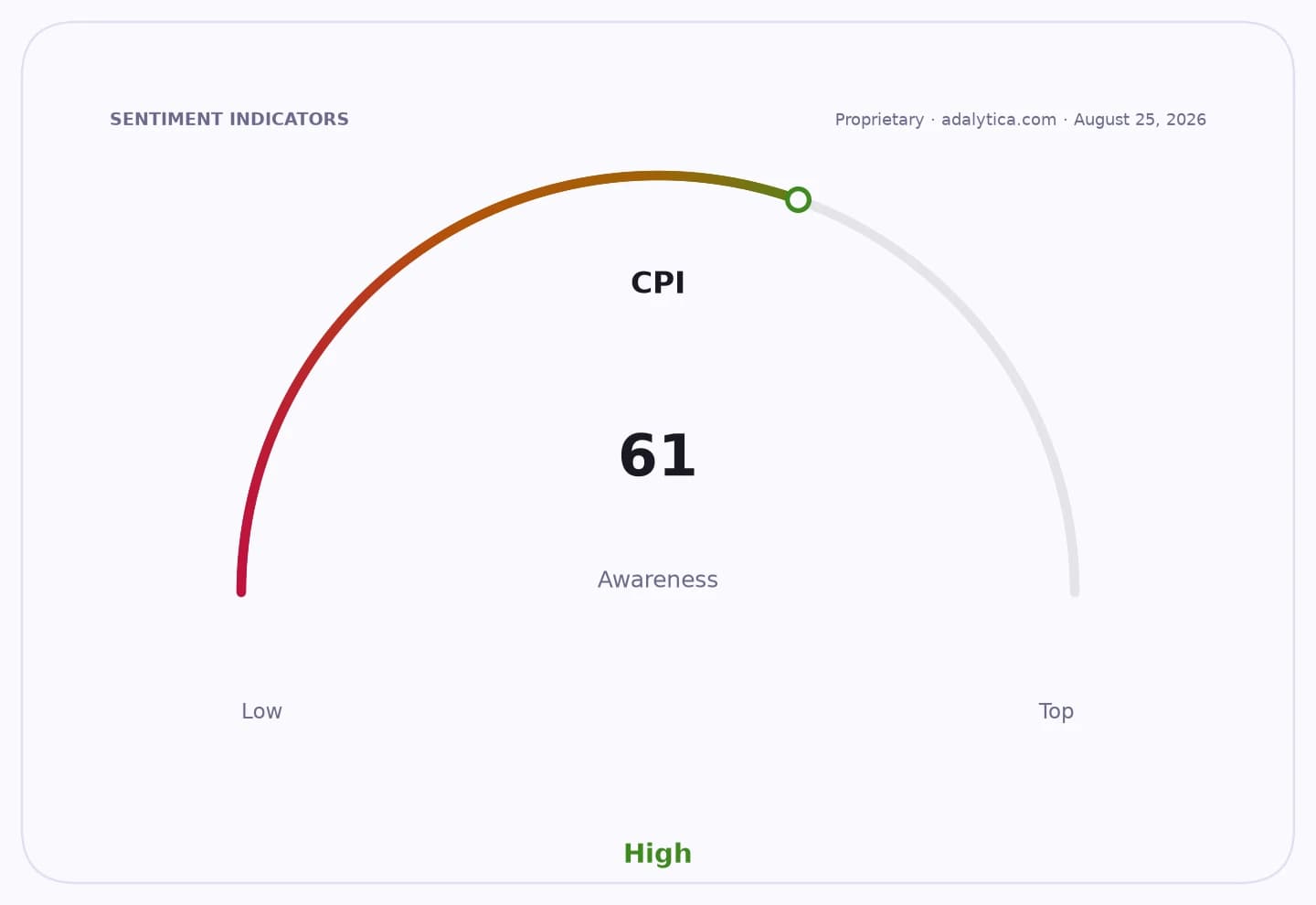
Sentiment IndicatorsⓘProprietary · adalytica.com · August 25, 2026
This is a snapshot — live sentiment, awareness and momentum for 130+ markets update continuously in the dashboard.Open AlphaPulse
Wheat futures have already reflected the strain in global supply. Chicago wheat, tracked by the nearby contract, was last at 700.25 a bushel on Aug. 24, above its 50-day moving average of 637.36 and its 200-day moving average of 584.92, with RSI readings near 74 showing the market has been in overbought territory after a sharp rally. The benchmark had climbed to 705.75 earlier in the month as traders priced in risk from Russia-Ukraine war-related disruptions to grain flows.
The broader macro backdrop only adds to the importance of the decision. Oil prices have been volatile but are still elevated enough to keep transport and food costs sensitive to supply shocks, while global inflation in producer prices remains well above pre-pandemic levels. India’s export reopening could ease some of that pressure if shipments scale up meaningfully, though the size and pace of sales will determine how much relief reaches world markets.
For grain merchants, exporters and foodmakers, the policy shift creates a new source of supply after two years of intermittent disruption. For importers and consumers, it offers a partial buffer against further price spikes, but not a cure-all: the market still faces weather risk, war-related shipping uncertainty and uneven harvests across major producers.
Investors will watch whether Indian wheat re-enters trade quickly enough to cool futures and whether the move trims margins for exporters and grain handlers that have benefited from tighter supply. The next catalyst is the pace of Indian shipments and any follow-up policy guidance from New Delhi as the new export regime takes shape.
| Entity | Gains | Losses |
|---|---|---|
| India wheat exporters | ▲New overseas sales | ▼Tighter domestic supply buffer |
| Global wheat importers | ▲More available supply | ▼Less leverage on prices |
| Grain traders and shippers | ▲Higher trade volumes | ▼Lower scarcity premium |
| Wheat futures bulls | ▲Volatility catalyst | ▼Potential price pressure |