Indian Bank is seeking to raise $2 billion through FCNR deposits, a push that would give the state-run lender a larger pool of foreign-currency funding at a time when the rupee remains under pressure and dollar rates are still elevated.
Indian Bank FCNR Push Lifts Funding Outlook
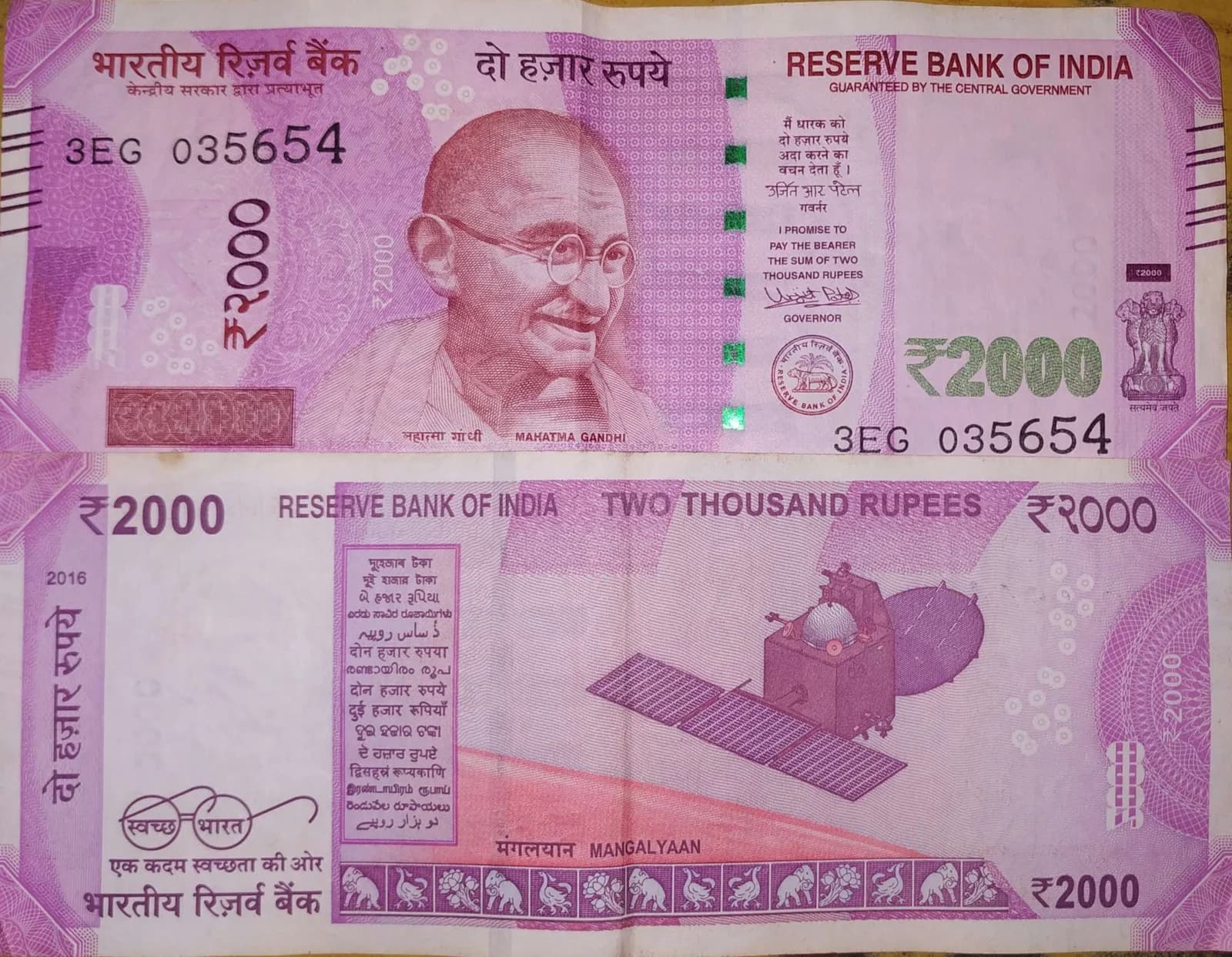
The target matters beyond one bank’s balance sheet. Foreign Currency Non-Resident deposits, raised from overseas Indians and held in foreign currency, can strengthen banks’ dollar-liquidity buffers and provide an alternative source of funding when global borrowing costs remain high. At the latest USD/INR level of 95.37, a $2 billion mobilisation would be equivalent to about 191 billion rupees.

The economics are being shaped by two forces: a weak rupee and sticky US yields. The rupee has traded near 95 to the dollar, well above its 200-day moving average of 91.90, while the US two-year Treasury yield was around 4.16% on July 9 and forecast near 4.20% the following day. That keeps dollar deposits attractive for non-resident Indians, but also raises the cost of foreign-currency liabilities for Indian lenders competing for such funds.
For Indian Bank, the programme signals a bid to diversify funding and expand balance-sheet flexibility. FCNR deposits can support foreign-currency lending, trade finance and treasury operations, though margins depend on deposit pricing, swap costs and how the bank deploys the proceeds. The lender’s ability to raise the planned amount would also indicate how strongly overseas Indians respond to Indian bank deposit offerings relative to global dollar assets.
Investors treated the development as material. Indian Bank shares rose to 870.70 rupees on July 10 from 793.15 rupees a day earlier, a gain of about 9.8%, with volume jumping to 17.7 million shares. The stock closed above both its 50-day moving average of 823.74 rupees and its 200-day moving average of 835.14 rupees, conventional technical levels watched by market participants. The broader Nifty Bank index gained about 1.4% on the same day.
The move comes as Indian banks look for durable deposit growth while managing currency and interest-rate risk. A successful FCNR drive would add to foreign-currency resources without relying solely on wholesale overseas borrowing, but it would also make execution sensitive to US rate expectations and rupee volatility.
The next test is pricing. If Indian Bank can attract $2 billion without paying aggressively above competing dollar instruments, the programme could support funding stability and investor confidence. If pricing proves costly, the benefit may shift toward depositors rather than shareholders.
| Entity | Gains | Losses |
|---|---|---|
| Indian Bank | ▲Larger dollar funding pool | ▼Higher funding-cost risk |
| Overseas Indian depositors | ▲Foreign-currency returns | ▼Rupee upside exposure avoided |
| Indian banking system | ▲Deeper FX liquidity | ▼Margin pressure if pricing rises |
| Rupee bears | ▲Less policy pressure relief | ▼Stronger inflow support |