The Indian rupee’s recovery is forcing FX strategists to split over where USD/INR goes next, with MUFG calling for a weaker currency by September 2027 even as Crédit Agricole sees room for a stronger rupee.
Indian rupee outlook splits as USD/INR forecasts diverge
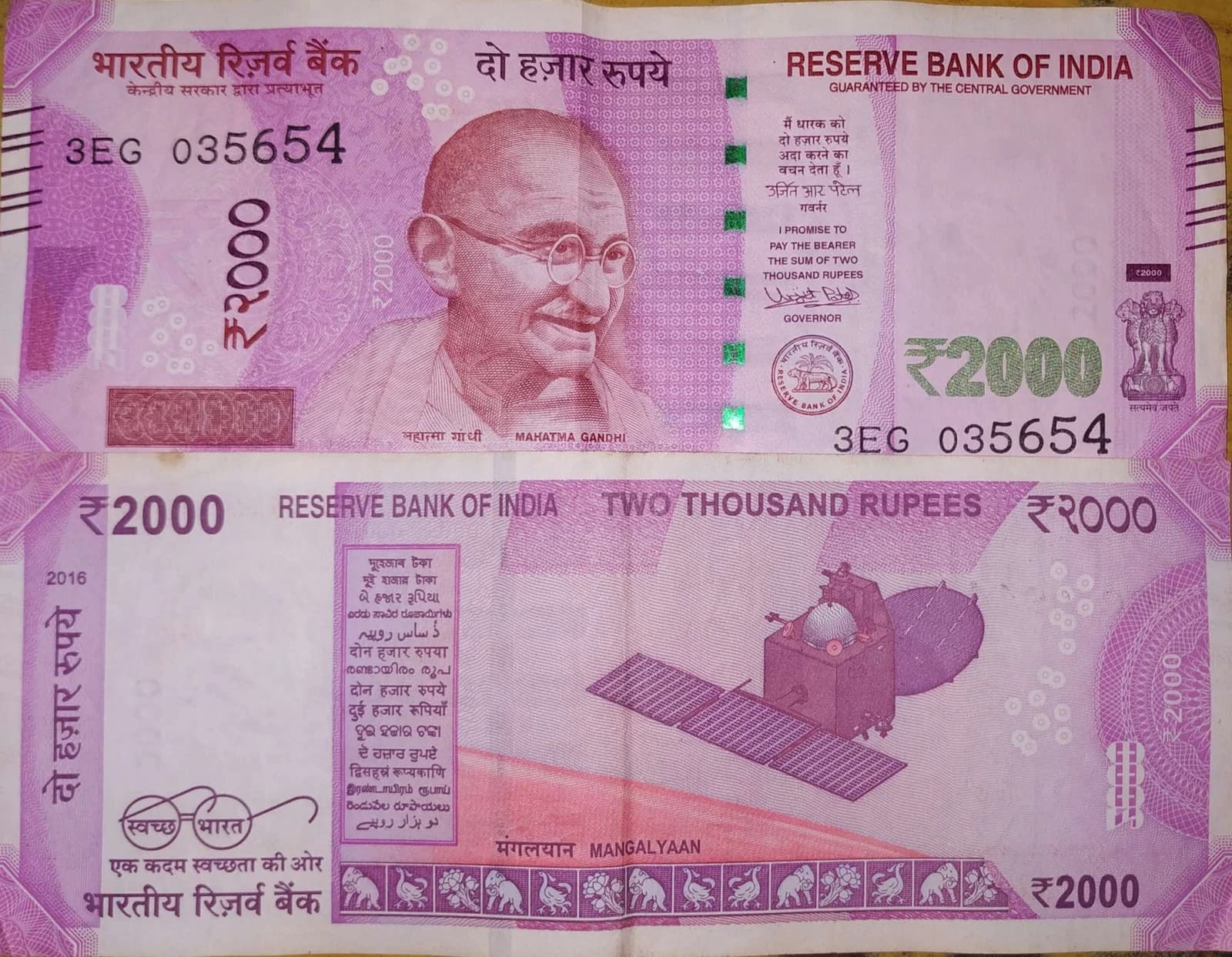
Spot USD/INR fell to 94.41 on Wednesday, down 0.36%, extending a rebound that has already pushed the pair off recent highs. But the sharper market question is whether the rally can outlast temporary foreign inflows and policy support, or whether underlying dollar demand reasserts itself once those flows fade.
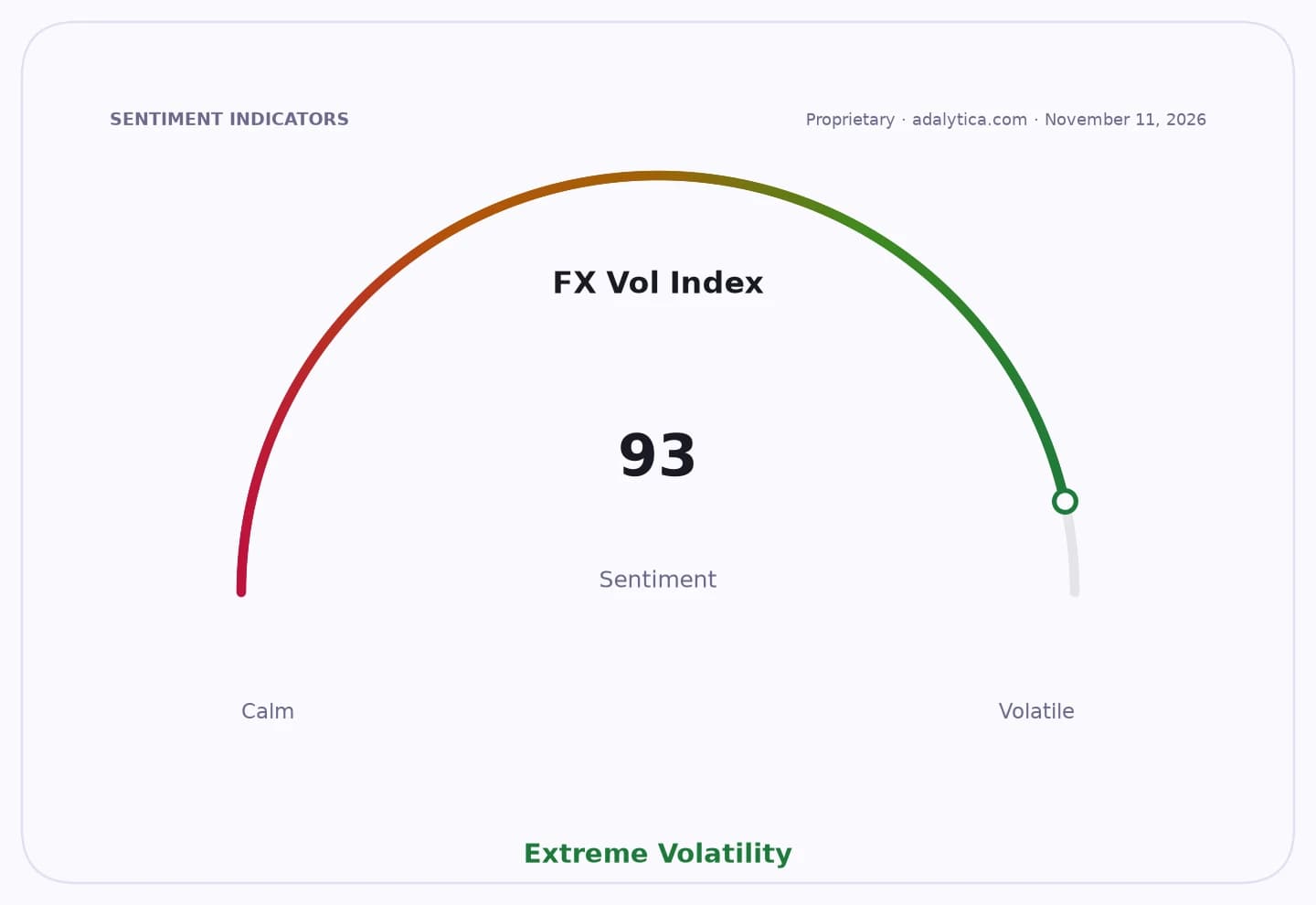
Sentiment Indicators
The divide is stark. MUFG sees USD/INR at 97.50 by September 2027, while Crédit Agricole projects 92.00 for the same quarter. That gap underscores how differently banks are weighing the durability of India’s external support against the structural forces that tend to weaken the rupee over time.
MUFG’s case rests on a familiar tension in emerging-market FX: central bank intervention can reduce volatility without changing the economics that drive currency demand. The firm said the Reserve Bank of India’s measures have “significantly reduced the left tail risk of sharp INR depreciation,” but added that strong underlying dollar demand from gross FDI repatriation and an active IPO pipeline should still push USD/INR higher.
That matters because repatriation flows can flatter the spot rate without creating lasting support. NDTV Profit reported that foreign inflows linked to Jio’s flotation helped the rupee in October, but those flows may not persist. Citi had already questioned whether such support can endure once one-off transactions are completed. For investors, the distinction is critical: a currency can look stronger in the near term while still sitting on fragile medium-term fundamentals.
MUFG also pointed to the RBI’s tighter controls on forward dollar demand, including the Foreign Exchange Risk Reserve on some derivative contracts, restrictions on rebooking cancelled hedges, extra documentary requirements and a special dollar window for oil companies. Those steps curb speculative pressure and smooth the market, but they do not eliminate the import bill or the need for corporates to hedge. They are a volatility suppressant, not a structural fix.
The bank’s inflation and rates view adds another layer. MUFG still sees the RBI hiking rates by 25 basis points to 5.75%, with some risk of 6.00% eventually. Higher rates can support a currency by improving returns on rupee assets, but MUFG is already baking in more tightening. That means rate hikes alone would not invalidate its weaker-currency call.
Crédit Agricole’s 92 forecast implies a much stronger rupee outcome, suggesting it sees either a longer-lasting improvement in capital flows or a weaker dollar backdrop than MUFG expects. With the rupee already recovering, that view has market relevance well beyond the forecast itself: it affects importer hedging costs, exporter margins, inflation expectations and the RBI’s room to maneuver.
For investors, the key issue is not just where USD/INR trades in September 2027, but whether the rupee’s current strength can survive after special inflows pass and the market refocuses on structural dollar demand. If foreign currency supply stays ample, the bullish rupee case gains credibility. If it doesn’t, the recent recovery may prove to be a policy-assisted pause rather than a durable regime shift.
| Entity | Gains | Losses |
|---|---|---|
| Indian rupee bulls | ▲Stronger INR case | ▼Volatility risk if inflows fade |
| Importers and hedgers | ▲Lower near-term FX costs | ▼Repricing if USD/INR rebounds |
| Exporters | ▲Competitive dollar receipts | ▼Margins if rupee firms |
| RBI | ▲Less disorderly depreciation | ▼More pressure to manage flows |