Prabowo Subianto is using a regional summit to put human oversight at the center of Indonesia’s AI message, a stance that matters because Southeast Asia is trying to accelerate digital growth without inviting the kind of regulatory, security and labor risks that are now shadowing the technology worldwide.
Indonesia AI Message on Human Oversight at ASEAN Summit
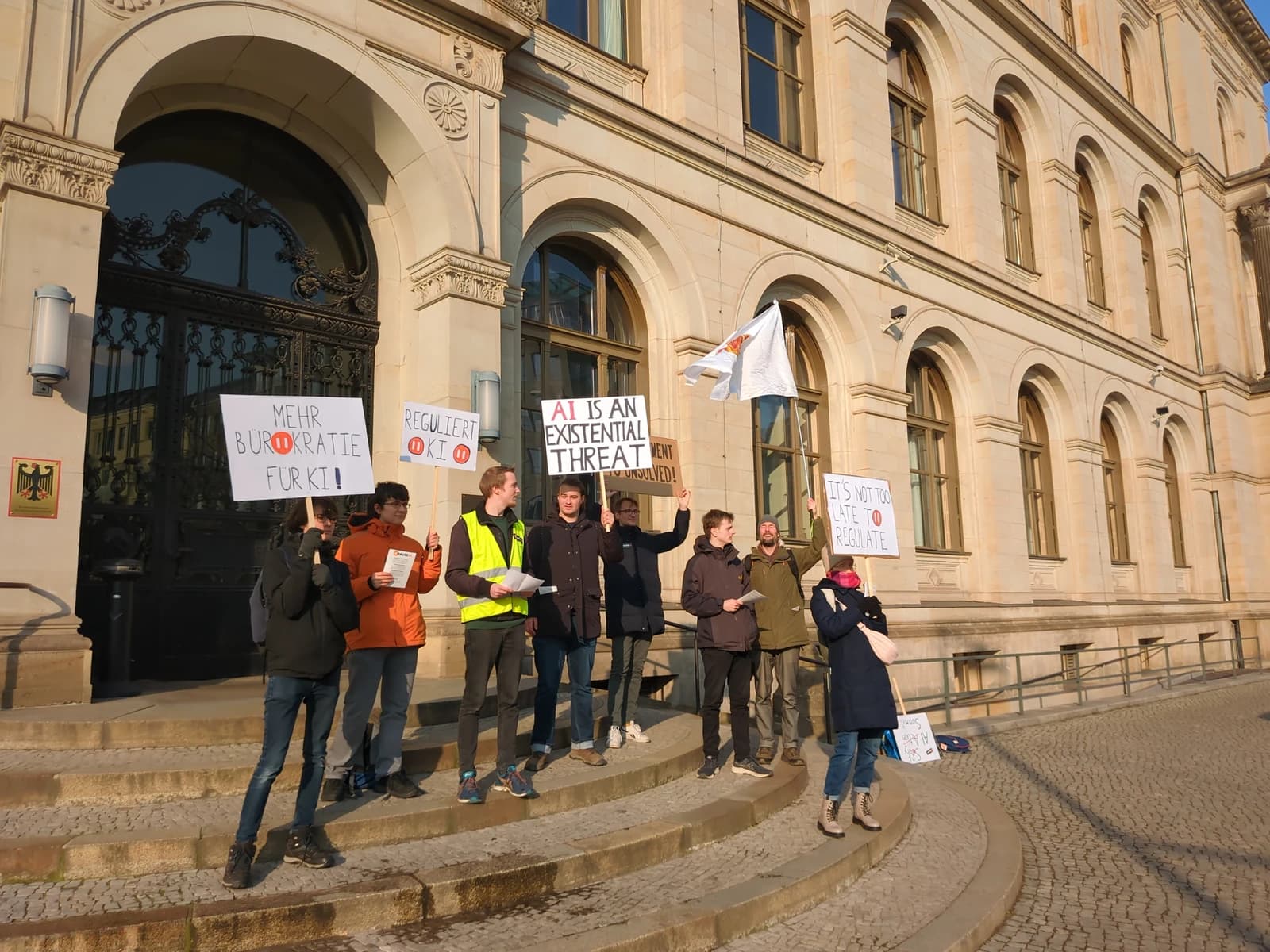
Speaking at the 29th ASEAN-Japan Summit in Manila, the Indonesian president said artificial intelligence can make life easier and business more efficient, but only if its use remains “safe” and under “real and effective” human control. The comments place Indonesia squarely in the global debate over AI governance, where governments are increasingly weighing how to capture productivity gains while limiting misuse in everything from surveillance to military systems.
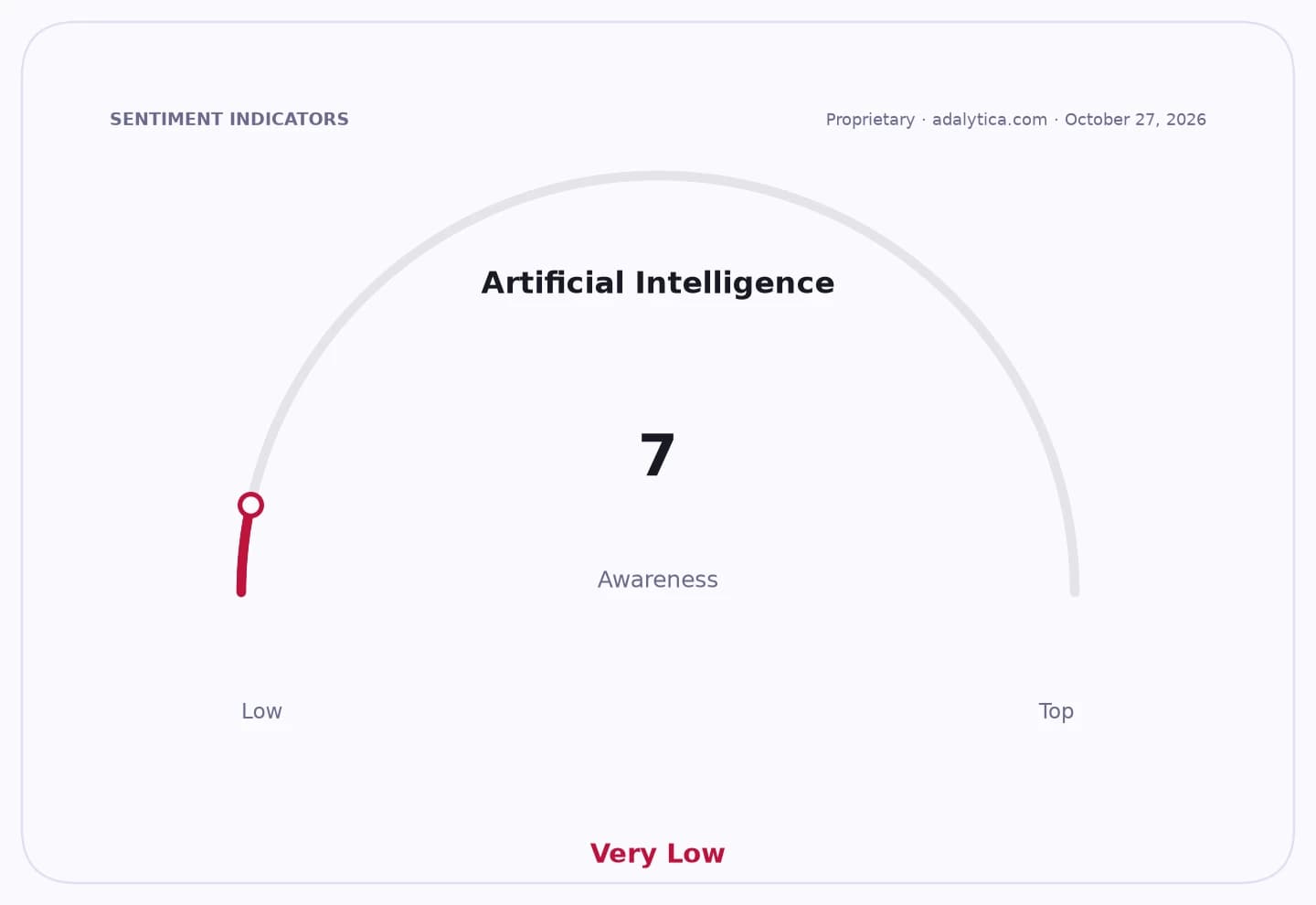
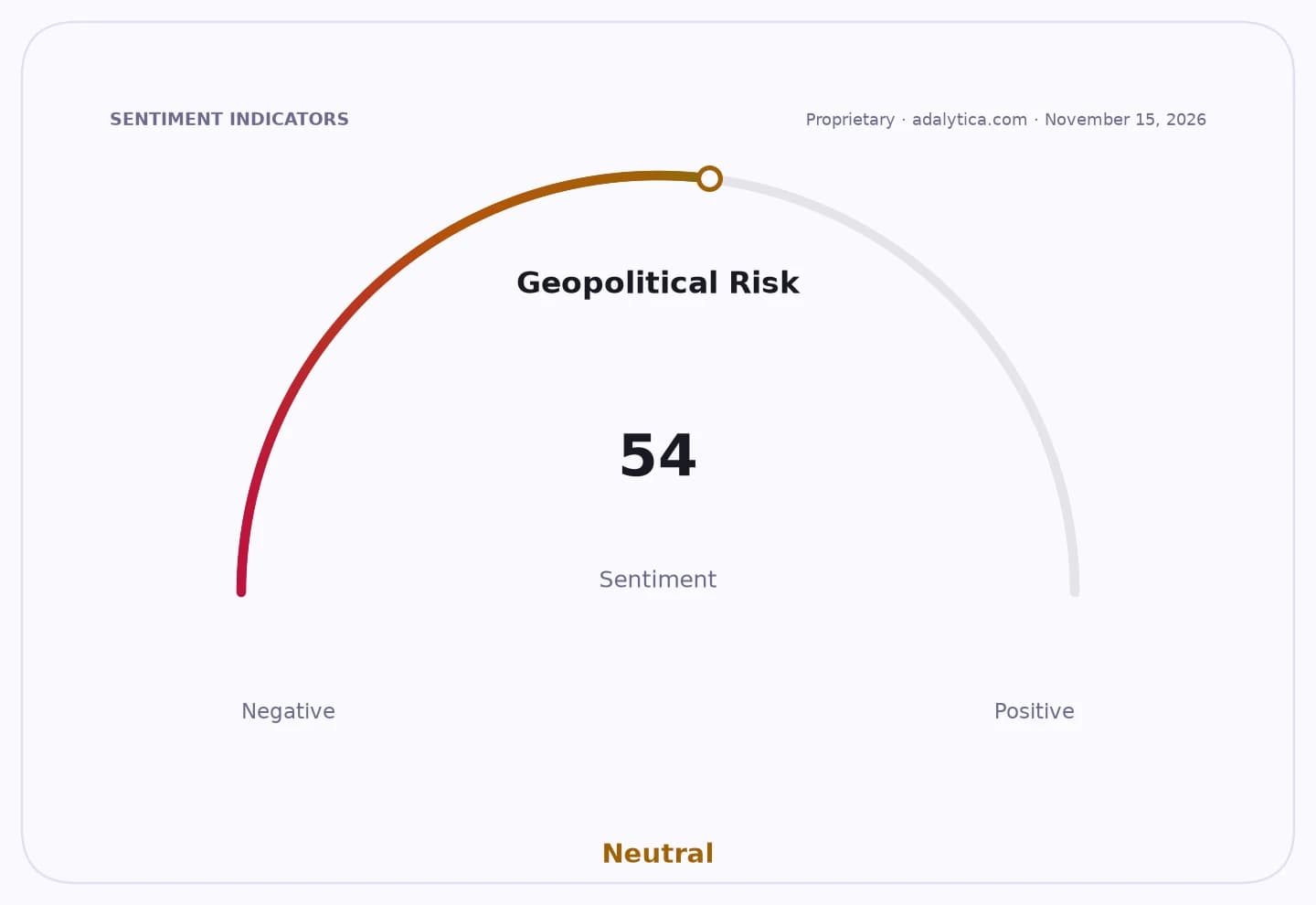
Sentiment Indicators
For investors, the signal is less about a single policy move than about the direction of travel in one of Asia’s largest emerging markets. Prabowo is linking AI with broader digital transformation and regional trade integration, arguing that digital connectivity can help micro, small and medium-sized businesses reach buyers far beyond their home markets. That supports the case for continued investment in cloud infrastructure, payments, e-commerce and logistics across ASEAN, even as policymakers start to focus more openly on guardrails.
The economic logic is straightforward. ASEAN economies still rely heavily on small businesses and fragmented supply chains, and digital tools can widen market access, lower transaction costs and lift productivity. Prabowo said future growth is hard to imagine without digital transformation, and pointed to the ability of a seller on a small island to connect with a buyer in a major city as evidence of the payoff. He also pressed ASEAN and Japan to keep deepening digital ties through existing frameworks including the ASEAN-Japan Economic Partnership, RCEP and ASEAN Plus Three.
That broader integration agenda matters for capital allocation. If regional governments keep aligning on digital standards, cross-border data flows and supply-chain cooperation, it can improve the economics of scaling AI-enabled services across Southeast Asia. It can also make the region more attractive for firms seeking alternative production and distribution bases as geopolitical tensions reshape trade.
At the same time, the human-control language reflects a political and regulatory reality that is already reshaping the AI investment case. Around the world, governments are moving to limit autonomous weapons and tighten oversight of frontier systems, while regulators are demanding stronger controls over misuse, privacy, intellectual property and security risks. That backdrop helps explain why major AI suppliers and cloud providers have been warning in filings that restrictive rules could affect how their products are sold and deployed.
For large technology companies, the message cuts both ways. The bull case is that tighter governance can build public trust, unlock enterprise adoption and reduce the backlash risk that could slow deployment. The bear case is that more rules could raise compliance costs, delay product rollouts and fragment the market by country. The latest move by Prabowo suggests Southeast Asia may try to occupy the middle ground: pro-growth on digitalization, but increasingly explicit that AI must remain subordinate to human decision-making.
That balance is likely to define the next phase of policy in the region. Investors should watch whether the rhetoric at ASEAN forums turns into procurement rules, AI safety standards or data-governance measures that could influence spending by hyperscalers, semiconductor suppliers and software vendors across Indonesia and the wider bloc.
| Entity | Gains | Losses |
|---|---|---|
| ASEAN digital economy | ▲Faster cross-border adoption | ▼Higher compliance burden |
| Indonesian MSMEs | ▲Wider market access | ▼Exposure to tech gaps |
| AI suppliers | ▲More enterprise demand | ▼Tighter oversight rules |
| Human oversight advocates | ▲Stronger policy support | ▼Less autonomy for systems |