Indonesia is pressing China to support ASEAN-led diplomacy and a peaceful regional order, a sign Jakarta wants to keep Southeast Asia’s security architecture open and inclusive even as geopolitical tensions and maritime disputes sharpen.
Indonesia urges China to back ASEAN diplomacy
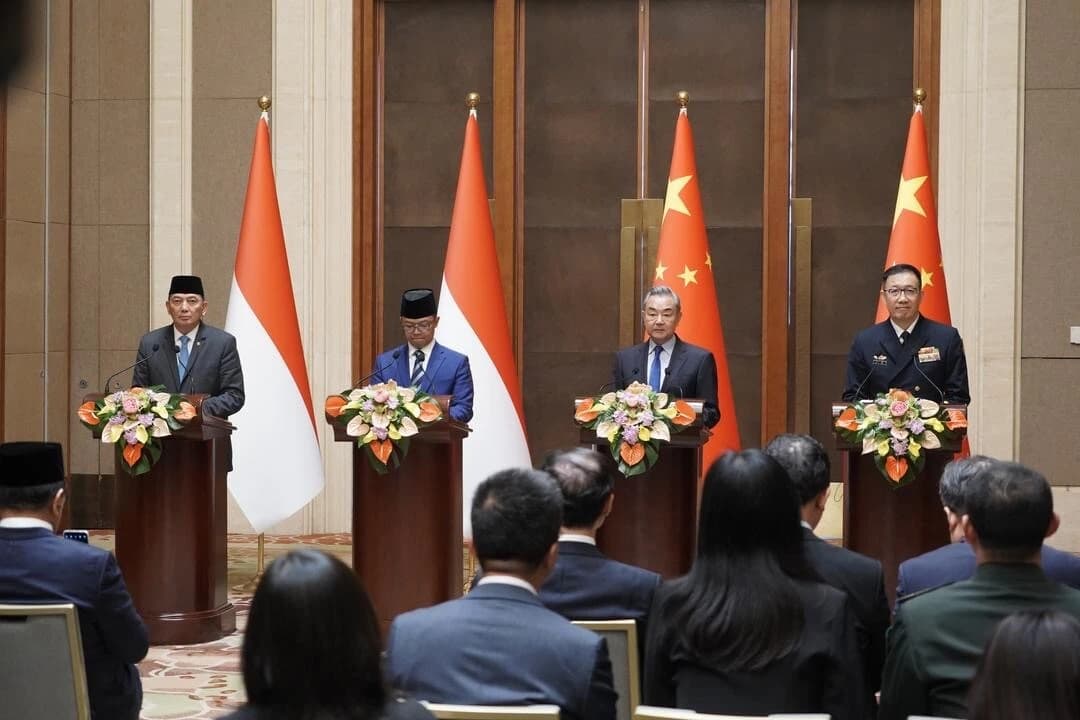
Coordinating Minister for Political and Security Affairs Djamari Chaniago said Indonesia will continue to strengthen ASEAN centrality and promote a regional framework built on dialogue, mutual trust and international law. He told a China National Day event in Jakarta that peace cannot come from “exclusive frameworks,” underscoring Indonesia’s preference for ASEAN to remain the main forum for regional security talks.
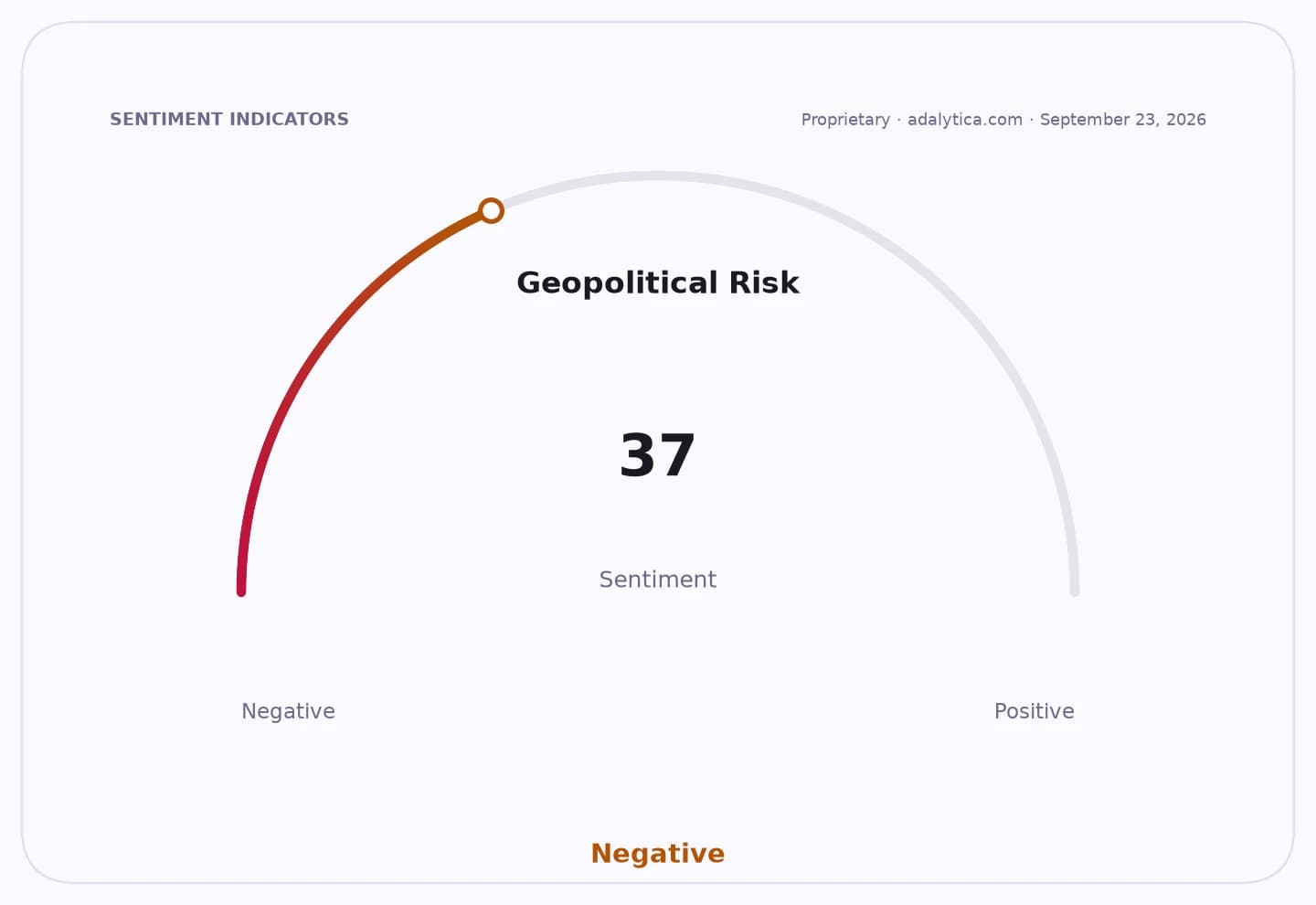
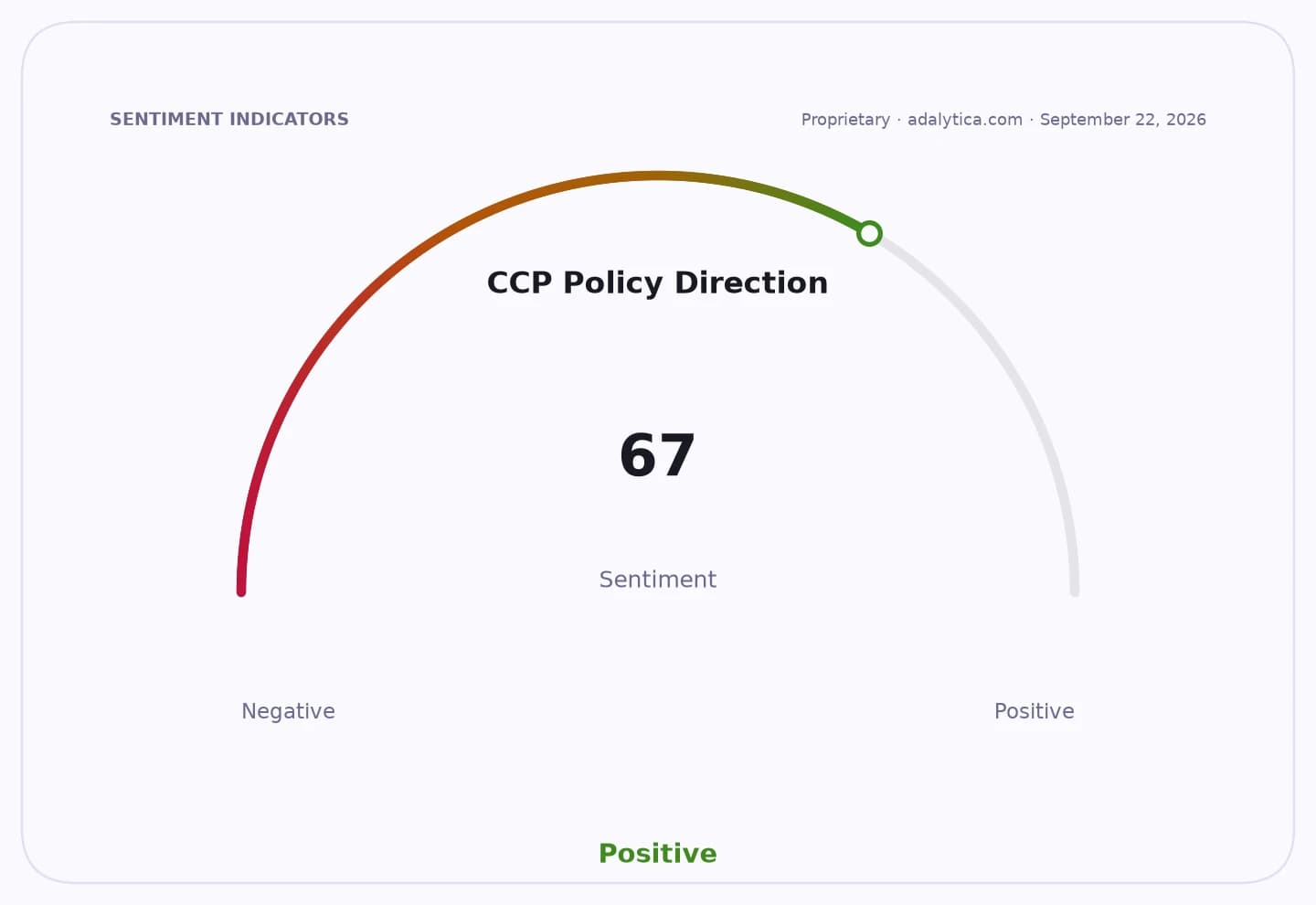
Sentiment IndicatorsⓘProprietary · adalytica.com · September 27, 2026
This is a snapshot — live sentiment, awareness and momentum for 130+ markets update continuously in the dashboard.Open AlphaPulse
The message matters because ASEAN centrality is the bloc’s main diplomatic leverage in dealing with China, the United States and other powers. For Indonesia, the region’s largest economy and de facto ASEAN heavyweight, the goal is to preserve stability that supports trade, investment and maritime routes while avoiding a split between rival security blocs.
The comments also build on recent bilateral momentum. Djamari pointed to the China-Indonesia Comprehensive Strategic Dialogue in Jakarta on Aug. 21 and the first “2+2” meeting involving the foreign and defense ministers of both countries the same day, signaling that security ties are widening beyond trade. China’s Chargé d’Affaires Zhou Kan said Beijing is ready to deepen cooperation and advance a China-Indonesia community with a shared future.
For investors, the key issue is whether Jakarta’s balancing act helps keep Southeast Asia a relatively predictable operating environment for shipping, commodities, manufacturing and infrastructure. Better Indonesia-China ties can support investment flows and regional supply-chain integration, but any erosion of ASEAN unity or escalation in the South China Sea would raise political risk across the bloc.
The backdrop is a broader push by ASEAN and China to finalize a South China Sea code of conduct and expand economic cooperation, even as strategic competition between major powers intensifies. The next test will be whether the diplomatic language translates into progress on maritime rules and regional crisis management.
| Entity | Gains | Losses |
|---|---|---|
| ASEAN centrality | ▲Diplomatic relevance | ▼Rival security blocs |
| Indonesia | ▲Regional influence | ▼Maritime instability |
| China | ▲Tighter ASEAN ties | ▼Isolation risk |
| Investors | ▲More predictable trade routes | ▼Higher geopolitical risk |