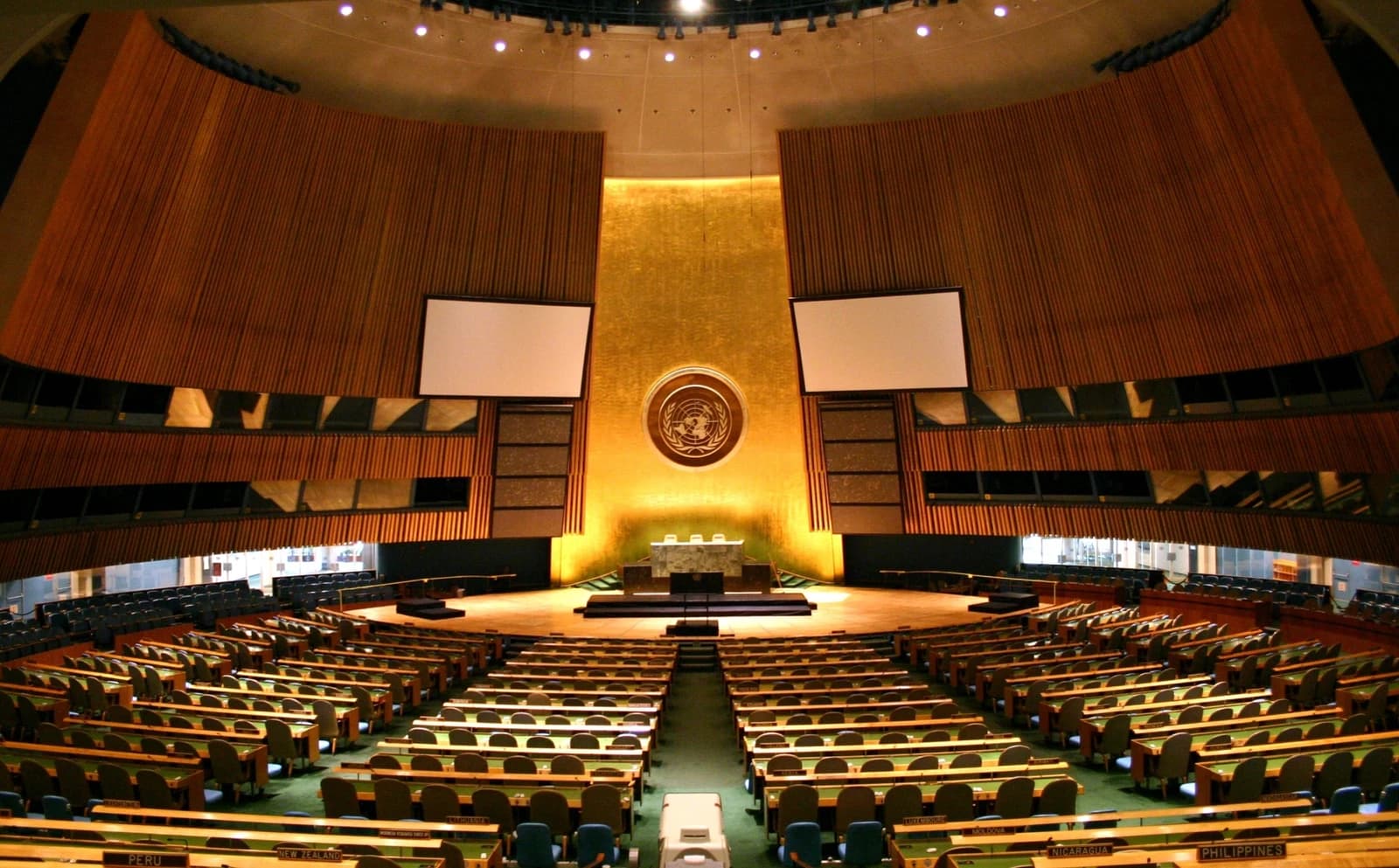
Vietnam is using the sidelines of the UN General Assembly to deepen economic and strategic ties with key partners, a reminder that small diplomacy can still have outsized value for trade, investment and supply chains even as broader multilateral talks get bogged down.
Vietnam Deepens Trade Ties at UN General Assembly
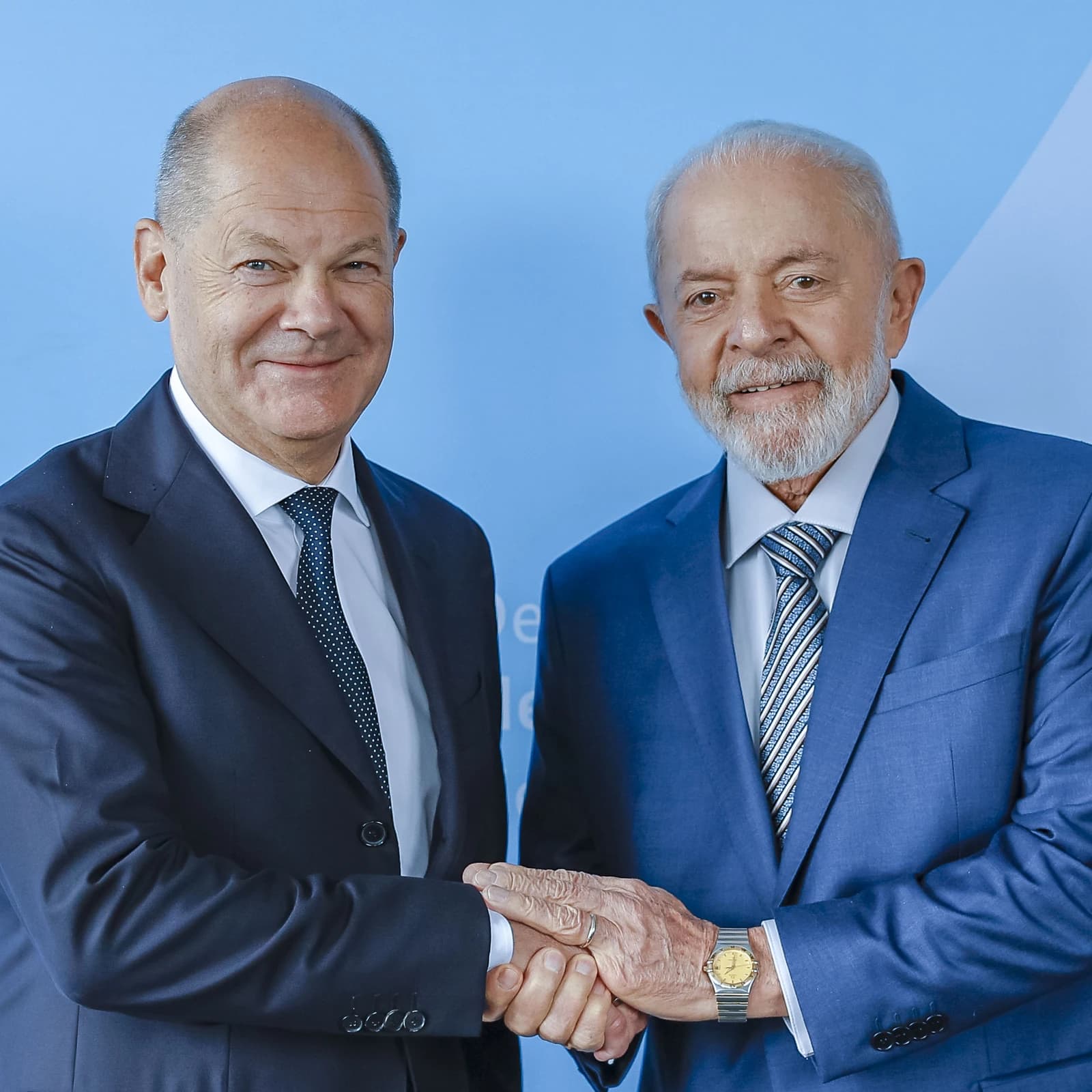
General Secretary and President Tô Lâm met leaders from Australia, Thailand and Fiji in New York on Monday, focusing on expanding cooperation in agriculture, fisheries, renewable energy, emissions cuts and climate adaptation. For investors, that matters because Vietnam has spent years trying to move up the value chain, and those conversations point to the kinds of partnerships that can support export growth, attract capital and reduce the country’s exposure to climate and commodity shocks.
Australia is the most commercially significant piece of the picture. Prime Minister Anthony Albanese said the two sides had already identified the main pillars of a new comprehensive strategic partnership after Tô Lâm’s state visit to Australia in August, suggesting the relationship is entering a more practical phase. That can open doors for Australian capital, education, resources and clean-energy cooperation, while giving Vietnam another route to diversify away from overreliance on any single market.
Thailand is just as important from a regional perspective. The two countries already sit deep inside ASEAN’s production networks, and both leaders said they would keep working closely through ASEAN and the UN. For manufacturers and exporters, stronger Vietnam-Thailand ties can mean more resilient regional supply chains, better coordination on logistics and a steadier environment for cross-border investment.
The meeting with Fiji may look smaller on paper, but it speaks to Vietnam’s broader diplomatic playbook. By building links with Pacific nations, Hanoi is widening its reach in multilateral forums and strengthening support for its positions on trade, climate and development. That can matter when the global environment is getting less predictable and countries are looking for dependable partners rather than lofty declarations.
The timing is notable. At the same UN gathering, consensus on global health preparedness has been strained by wider geopolitical friction, underlining how hard it has become to get broad agreement on shared problems. Against that backdrop, Vietnam’s focus on bilateral and minilateral cooperation is a pragmatic way to keep economic diplomacy moving even when the larger system stalls.
For long-term investors, the takeaway is straightforward: Vietnam is signaling that it wants to keep its growth story anchored in deeper international integration, not isolation. That should be constructive for exporters, infrastructure builders, clean-energy firms and companies tied to ASEAN trade. It is worth watching closely, especially for investors with a multiyear horizon who are looking for resilient exposure to Southeast Asia’s next leg of growth.
| Entity | Gains | Losses |
|---|---|---|
| Vietnam | ▲More trade and investment links | ▼Exposure to global fragmentation |
| Australia | ▲Deeper ASEAN partnership | ▼Limited if follow-through lags |
| Thailand | ▲Stronger regional coordination | ▼Less room for policy drift |
| Fiji and Pacific partners | ▲Wider diplomatic support | ▼Smaller bargaining power alone |