Indonesia’s customs agency has stepped up a crackdown on illegal rice, salt and used-clothing imports, seizing goods worth an estimated Rp27.339 billion as authorities move to protect domestic farmers, consumers and tariff collections.
Indonesia customs seizes illegal rice, salt, used clothes
The biggest economic impact comes from the rice and salt shipments, which entered through misdeclaration schemes that bypassed import rules and quarantine checks. Officials said the cargo was found in 30 containers across four operations in North Sumatra waters, Tanjung Perak, a bonded zone in Bogor and Tanjung Priok, underscoring how smuggling routes are adapting across major ports and industrial hubs.
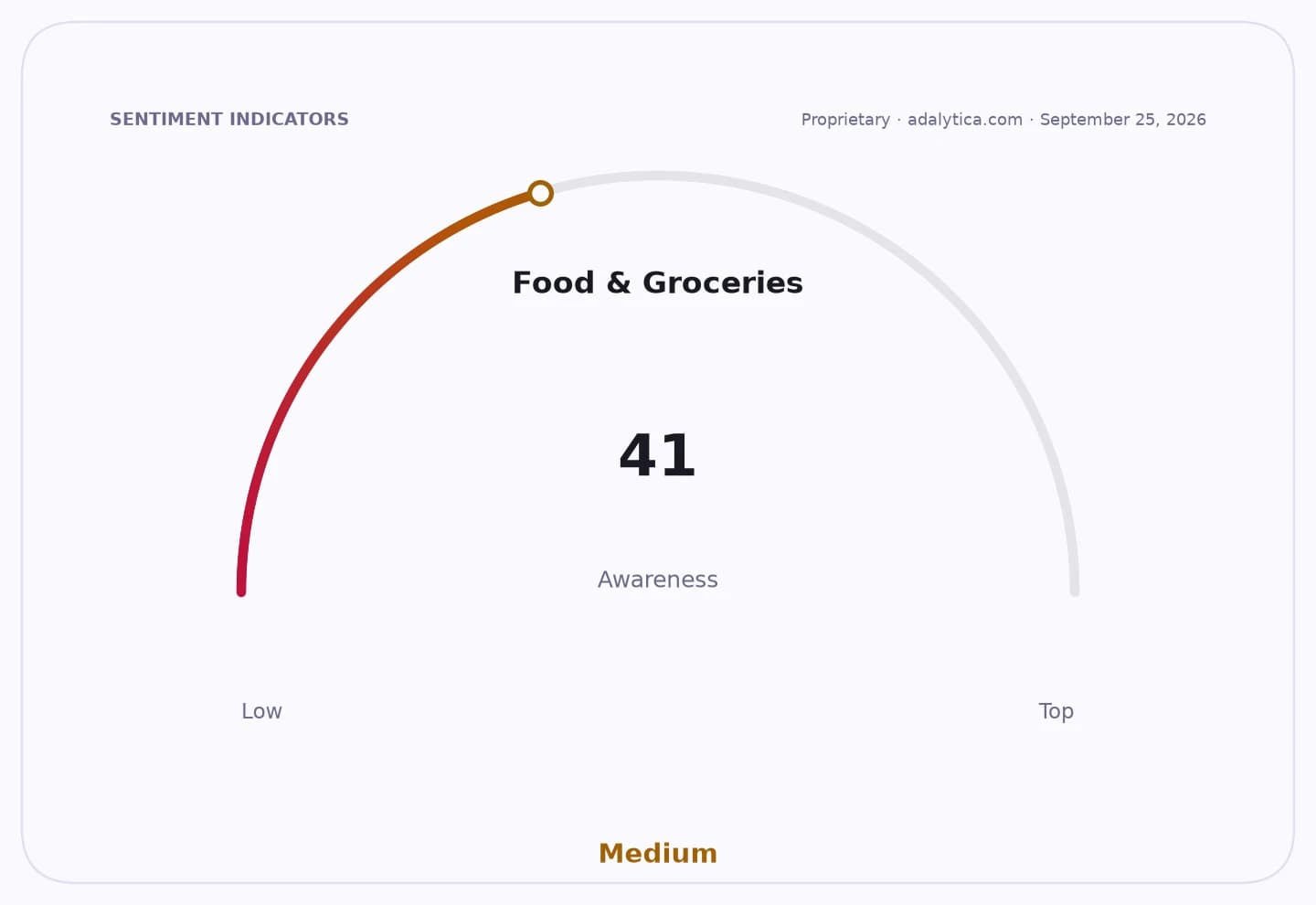
Sentiment IndicatorsⓘProprietary · adalytica.com · September 26, 2026
This is a snapshot — live sentiment, awareness and momentum for 130+ markets update continuously in the dashboard.Open AlphaPulse
At Tanjung Perak, customs found 202.45 tons of rice and 211 tons of salt in 15 containers declared as ammonium chloride from India, with an estimated value of Rp7.853 billion. A separate raid on Sept. 7 in Bogor uncovered 194.9 tons of rice and about 225.4 tons of white granules suspected to be salt in 15 containers documented as leather-tanning chemicals, worth Rp8.006 billion.
The agency also seized 1,435 bales of allegedly used clothing, including 430 bales in North Sumatra and about 1,005 bales in nine containers at Tanjung Priok, valued at Rp11.44 billion combined. Used-clothing imports are banned or tightly restricted in Indonesia, and the flow of balpres has long undercut local textile sellers while raising public-health concerns over untraceable secondhand goods.
Finance Minister Suahasil Nazara said illegal food imports hurt domestic producers and leave consumers exposed to products that have not passed official inspection and quarantine. “The ones harmed are our farmers, the ones harmed are consumers,” he said, adding that the government cannot verify the shipment, packaging or quality of rice that comes in through illicit channels.
For investors, the message is that Indonesia is leaning harder on customs enforcement to defend agricultural prices, support formal trade and curb shadow-market competition in staples and apparel. The operation also highlights persistent enforcement risk for traders moving consumer goods through bonded zones and ports, especially where misdeclaration remains the preferred tactic.
Customs said it is processing the seized goods under applicable rules and coordinating with police and prosecutors on potential customs crimes, suggesting more cases could follow as authorities widen inspections in the coming weeks.
| Entity | Gains | Losses |
|---|---|---|
| Indonesian farmers | ▲Better price protection | ▼Cheaper illegal imports |
| Domestic textile sellers | ▲Less banned secondhand competition | ▼Balpres traders |
| Consumers | ▲Safer inspected food supply | ▼Low-quality illicit goods |
| Customs and Excise | ▲Stronger enforcement credibility | ▼Smuggling networks |