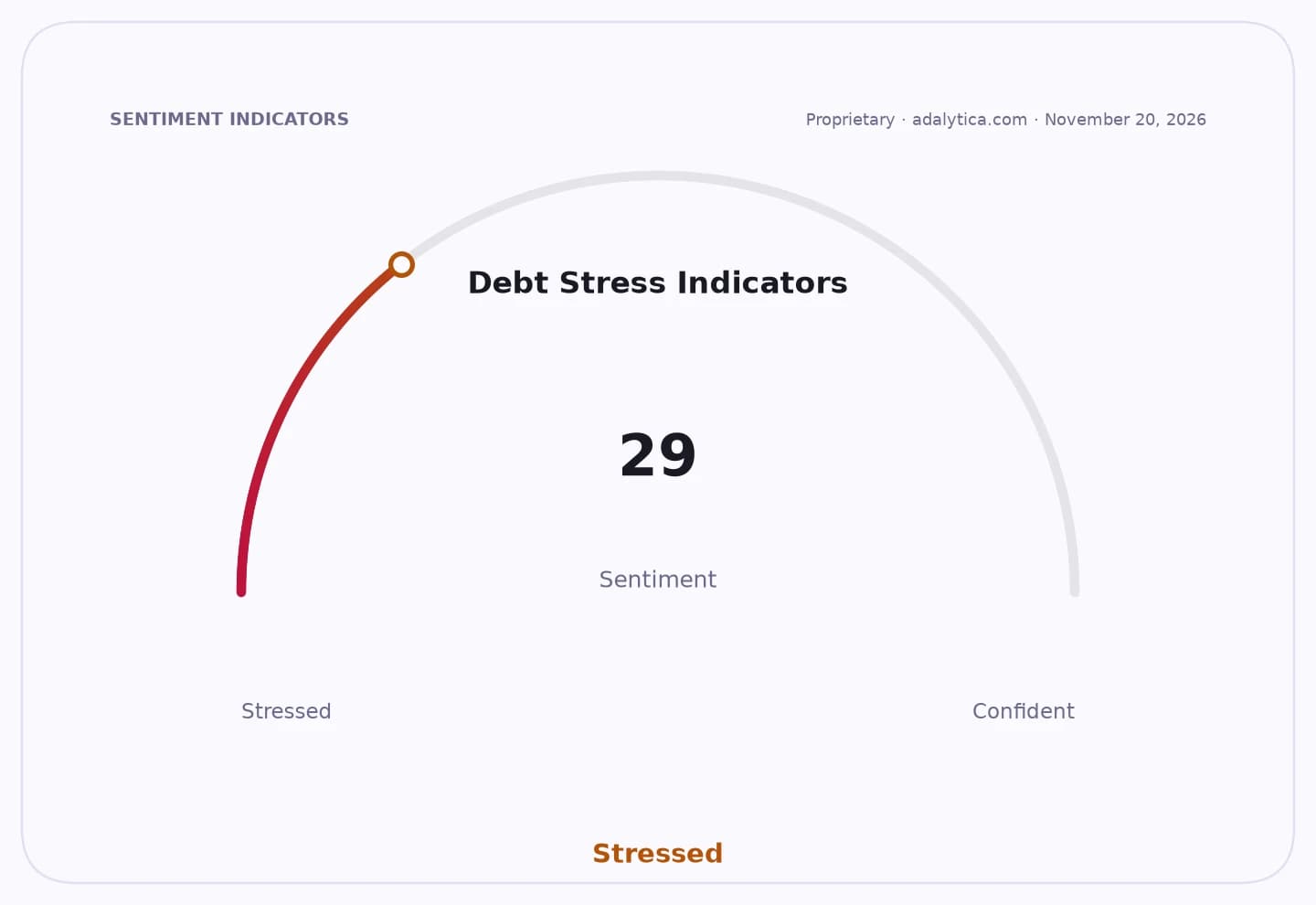
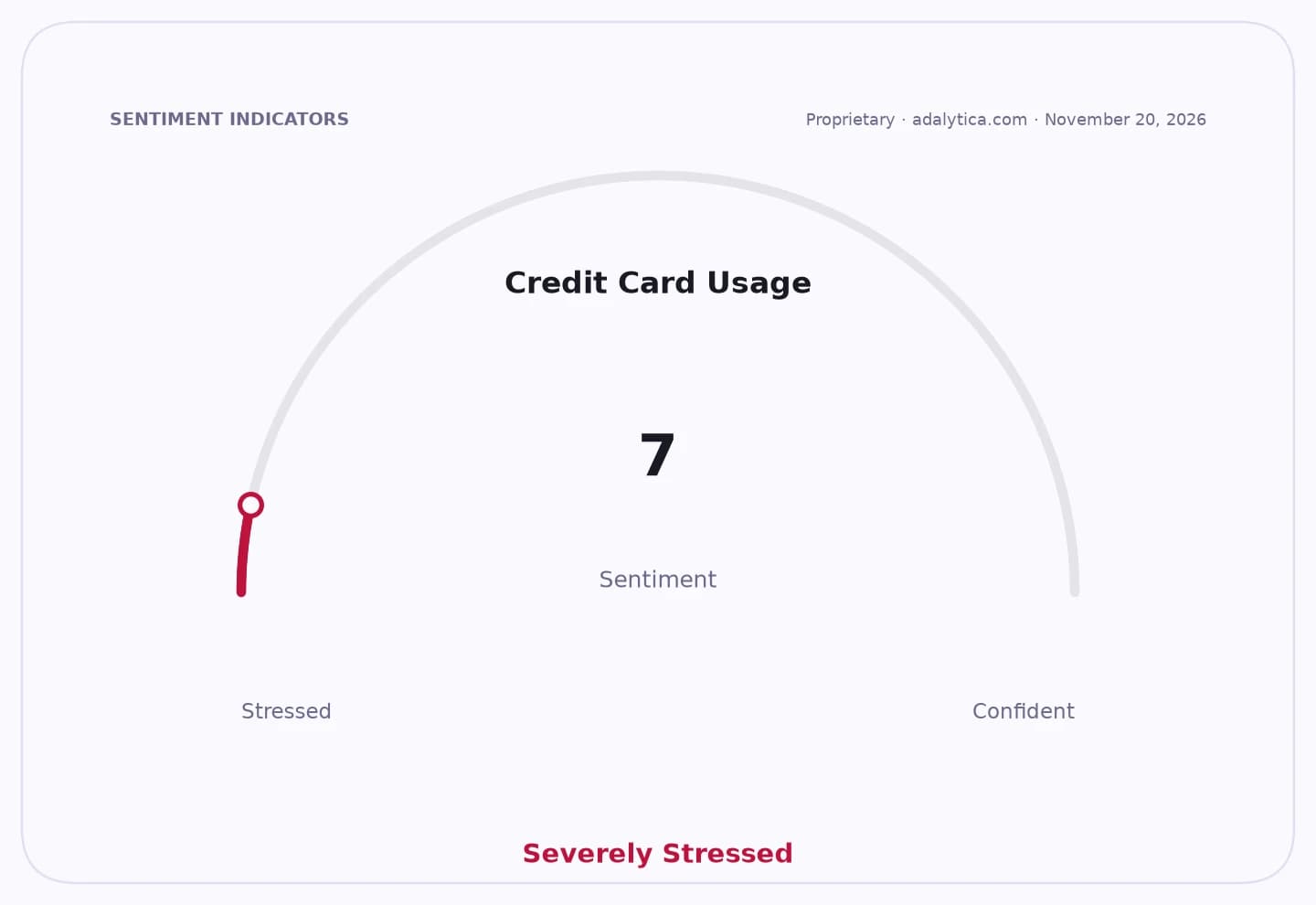
Gen Z’s rapid embrace of digital finance is widening a credit-knowledge gap that could leave young borrowers more vulnerable to debt stress, missed payments and weaker access to future financing.
Indonesia Gen Z credit literacy gap widens
Debt Stress Indicators
That is the key message from Indonesia’s latest financial inclusion data, which show that among people aged 18 to 25, financial literacy reached 73.32% while financial inclusion was far higher at 95.69%. The spread matters because it suggests access to loans, e-wallets and other financial products is expanding faster than the understanding needed to use them safely.
Sentiment Indicators
For lenders, the gap is not just an education problem. It affects repayment behavior, underwriting quality and ultimately credit losses. For borrowers, especially first-time users of digital credit, a poor payment record can close doors to car loans, mortgages and even some jobs where credit checks are used as part of background screening. In a market where credit availability is widening, the quality of that credit is becoming more important than the speed at which it is disbursed.
The warning comes as consumer lending continues to expand and banks, fintech lenders and card issuers look for growth in younger demographics. Easier access can help build financial participation, but it also raises the risk that borrowers take on obligations before understanding interest charges, repayment schedules or the consequences of missed bills. That dynamic is especially relevant in digital lending, where approval can be fast and the friction to borrowing low.
Credit bureaus and regulators are increasingly central to that process. In Indonesia, credit histories are recorded in the Financial Information Service System, or SLIK, run by the Financial Services Authority. A strong repayment record can improve a borrower’s chances of approval, while delinquencies can quickly push a consumer into worse borrowing terms or rejection. The system classifies loans from current status through more serious problem categories, making payment discipline one of the most immediate determinants of financial mobility.
That is why regular review of credit reports has become a practical, not just educational, issue. It can help consumers spot errors, identity misuse or early signs of financial strain before problems deepen. For Gen Z, the issue is amplified by the fact that many are building their first formal credit footprint at the same time they are entering the workforce, starting businesses or planning major purchases.
The broader market implication is straightforward: credit growth is only sustainable if borrower education keeps pace with distribution. If not, the financial system can end up expanding access while also creating a larger pool of stressed borrowers. That raises funding costs for lenders, worsens portfolio quality and can tighten credit conditions later, especially in unsecured consumer products.
Programs such as Cermati’s financial literacy campaign for students and disabled entrepreneurs underscore how the industry is trying to close that gap before it turns into a credit-quality problem. The economic stakes are bigger than personal finance. In a faster-growing consumer credit market, better literacy supports healthier household balance sheets, steadier repayment and a more resilient lending cycle.
| Entity | Gains | Losses |
|---|---|---|
| Gen Z borrowers | ▲Broader credit access | ▼Higher debt-stress risk |
| Banks and fintech lenders | ▲Larger customer base | ▼Weaker credit quality if literacy lags |
| Credit bureaus and regulators | ▲More relevant risk monitoring | ▼Greater pressure to detect errors and defaults |
| Financially literate consumers | ▲Better loan access and pricing | ▼None |